
Views: 0 Author: Site Editor Publish Time: 2026-08-18 Origin: Site


Operating a Single Hung Window on an upper floor presents unique child safety challenges. The lower operable sash sits at a prime height for curious toddlers. This specific risk profile becomes critical in multi-story Australian homes or high-rise apartments. Balancing fresh air ventilation needs requires careful strategy and planning. Strict Australian building regulations dictate how far upper-level windows can open. The National Construction Code (NCC) makes child safety non-negotiable for property owners and tenants alike. This guide evaluates viable retrofit hardware and permanent safety solutions for your property. We unpack compliance requirements and clear replacement criteria to prevent window falls. You will learn how to secure these fixtures without sacrificing operational integrity or aesthetic appeal.
Standard fly screens do not prevent falls; purpose-built window safety support hardware or security screens are mandatory for elevated windows.
Australian compliance (BCA) requires operable windows in bedrooms above 2 meters to have restricted openings of no more than 125mm.
Retrofitting restrictors is a cost-effective immediate solution, but upgrading to a certified AS2047 window with integrated child-safe features offers longer-term reliability.
Property type matters: Strata schemes have specific legal obligations for window safety device installation and maintenance.
Understanding the mechanical nature of these fixtures is the first step toward effective risk management. The design features a fixed top panel and an upward-sliding lower sash. This lower section rests closer to the floor than awning or louvre styles. Toddlers often push furniture against walls, giving them direct access to the operable sill. Once a child reaches the latch, the upward sliding motion requires very little physical strength. Gravity assists the mechanism if counterbalances are highly tensioned. This accessibility creates a direct egress point for a small child.
Parents often misunderstand the purpose of standard fiberglass insect screens. You might look at a taut fly screen and assume it provides a physical barrier. This assumption proves incredibly dangerous in real-world scenarios. Standard insect screens merely keep mosquitoes and flies out. The mesh tears easily under sudden pressure. The fragile aluminum frames pop out of their tracks when a child leans against them. Relying on a fly screen for fall prevention is a common mistake we see in residential properties.
Australian regulators recognized these dangers and introduced strict preventative measures. The National Construction Code (NCC) established the "Kids Don't Fly" mandate. This regulation sets a firm compliance baseline across all states and territories. If an operable bedroom window sits two meters or more above the exterior ground level, you must restrict it. The maximum allowable opening is 125毫米. Why this specific number? Regulators determined a 125mm gap prevents a young child's head from passing through. Safety inspectors use a rigid 125mm sphere to test compliance. If the sphere passes through the gap, the installation fails the safety audit.
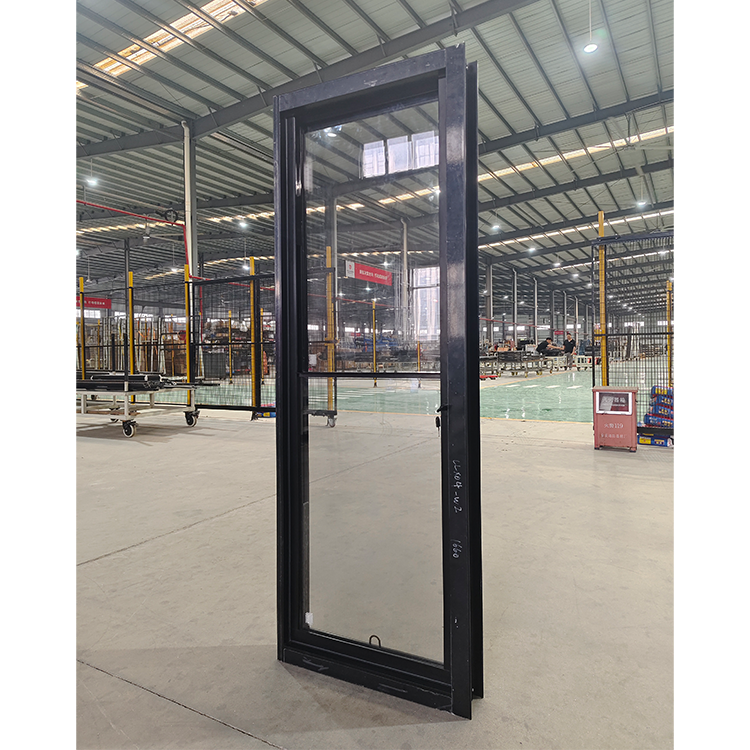
Securing an existing frame requires choosing the right aftermarket hardware. You must balance ventilation needs, budget, and daily convenience. Homeowners generally choose between restrictors, reinforced screens, or secondary latches. Each Window Safety Support device offers distinct advantages and implementation challenges.
Window restrictors are the most common retrofit choice. Cable restrictors feature a steel wire connecting the moving sash to the fixed frame. They allow flexible opening angles but usually require key access to unlock fully. Track stops or sash limiters bolt directly into the aluminum or timber channel. They provide a rigid, fail-safe block. Once the sash hits the metal stopper, it cannot travel further. Track stops guarantee the 125mm limit remains intact under heavy force. Homeowners love restrictors for their simple DIY installation potential. However, you must measure the opening gap flawlessly. Placing a track stop just 5mm too high can render the entire setup non-compliant.
If restricting airflow bothers you, security screens offer an excellent alternative. These heavy-duty screens must meet specific Australian Standards (AS5039) to qualify as fall prevention devices. They feature structural-grade stainless steel mesh and tamper-proof frames. They allow you to open the sash completely for maximum ventilation. The screen itself blocks the egress path. The implementation reality involves higher upfront costs. You need professional installation to ensure the frame can withstand standardized impact tests. They eliminate the hassle of dealing with keys or restricted sash movement.
Many hardware stores sell keyed sash locks as a budget-friendly fix. You drill these into the meeting rail to pin the window shut. While they add security against intruders, they fail as reliable child safety tools. Secondary locks rely entirely on human habit. If you open the sash to let a breeze in and forget to relock it, the safety barrier vanishes. Real child safety requires fail-safe reliability, not memory-dependent habits.
| Device Type | Ventilation Impact | Fail-Safe Reliability | Cost Level | Compliance Suitability |
|---|---|---|---|---|
| Track Restrictors | Limits opening to 125mm | High (Rigid block) | Low | Excellent (NCC approved) |
| Cable Restrictors | Limits opening to 125mm | Medium (Key dependent) | Low to Medium | Excellent (If locked) |
| AS5039 Security Screens | Full ventilation allowed | Very High (Structural barrier) | High | Excellent (No opening limit needed) |
| Secondary Latches | None (Must be fully closed) | Low (Relies on human habit) | Low | Poor for active ventilation |
Adding aftermarket hardware is not always the best path forward. Sometimes the existing frame simply cannot handle the stress of safety modifications. You need to assess the structural lifespan of your current setup before drilling holes into it.
Inspect timber frames for wet rot, termite damage, or general decay. Screwing a high-tension cable restrictor into rotting wood offers zero safety. A child pushing against the sash could easily rip the screws straight out of the soft timber. Aluminum frames face different issues. Older coastal properties often have corroded metal tracks. If the internal balance springs are failing, the sash might drop unexpectedly. This poses a crushing hazard for tiny fingers. If your frames show these signs of severe degradation, retrofitting wastes money. You must consider a full Single/Double Hung Window replacement.
When planning a replacement, evaluate the benefits of a modern upgrade. Moving from a single operable sash to a dual operable system changes the safety dynamic completely. Upgrading to a modern Double Hung Window allows you to utilize top-sash ventilation. You can keep the bottom sash permanently locked and flush with the sill. You then slide the top sash down to let the breeze in. The opening sits high above a toddler's reach. This configuration naturally improves child safety while maximizing indoor airflow.
If you prefer specialized solutions, evaluate a purpose-built Child-Safe Window. These factory-integrated systems come with built-in restriction devices. The manufacturers design the internal stoppers directly into the frame extrusions. They are tamper-proof and completely hidden from view. Because the factory installs them, they never compromise the weather seals. They carry comprehensive warranties that cover both the glass and the safety hardware. An integrated system proves far superior to clunky aftermarket add-ons.
Australian building regulations go far beyond just preventing falls. Any structural opening must withstand severe weather conditions. When you alter a frame, you must maintain its primary performance credentials.
Replacement fixtures must meet the stringent criteria of an AS2047 Window. This standard dictates structural performance under wind load and resistance to water penetration. When you or a contractor install retrofit safety hardware, you must not compromise this rating. Drilling the wrong size hole for a restrictor cable can puncture internal drainage channels. Water will seep into the wall cavity during a storm. A compliant safety installation works in harmony with the AS2047 weatherproofing design.
Strata legislation introduces another layer of complexity. Apartment owners and landlords face strict legal obligations regarding fall prevention. In New South Wales and several other states, owners corporations must manage window safety on common property. If a bedroom opening sits high above ground level, the strata scheme must ensure compliant devices are fitted. Individual lot owners usually bear the responsibility for internal maintenance. However, the owners corporation faces severe liability if they fail to audit common property elevations.
Do not rely on a visual check alone. Post-installation certification is an absolute necessity. You should obtain a formal compliance certificate from a licensed safety inspector or installer. This document verifies the installation passes the 125mm sphere test. It also confirms the hardware can withstand the mandated 250 Newton force test. Holding this certificate protects landlords against severe legal liability. It proves you took actionable, documented steps for true risk mitigation.
Installing child safety devices looks easy on paper. In practice, minor errors lead to catastrophic failures. Homeowners face specific implementation risks when attempting DIY upgrades.
Using incorrect screw lengths is the most common installation error. If you use screws that are too long, they will shatter the internal glass pane. If you use screws that are too short, they will not grip the internal aluminum extrusion. A child pushing against the glass will easily tear short screws out of the frame. Failing the 125mm sphere test is another frequent mistake. People measure from the wrong point on the sill, leaving a 130mm gap. This renders the entire exercise non-compliant.
Hardware degradation happens rapidly in coastal Australian climates. Salt air attacks cheap metal components. Budget restrictors quickly develop rust. Plastic track stops become brittle under intense UV exposure and snap when pushed. You must purchase marine-grade stainless steel hardware if you live near the ocean. Cheap window safety support devices create a false sense of security.
Ongoing safety requires vigilance. We recommend establishing a bi-annual testing framework. You cannot install these devices and forget about them.
Test the lock engagement: Insert the key into cable restrictors to ensure the cylinder turns smoothly.
Apply physical pressure: Push firmly against the sash when it hits the restrictor limit. The hardware should not flex or groan.
Check screen integrity: Press along the edges of security screens to ensure the mesh hasn't separated from the frame.
Verify the gap: Re-measure the opening distance twice a year. Building settlement can sometimes shift frame alignments.
Securing an elevated opening requires careful evaluation of your current hardware and future needs. Standard fly screens offer no physical protection against falls. You must base your shortlisting logic on your budget, property type, and ventilation preferences. Choose robust track or cable restrictors for immediate, budget-friendly compliance. Invest in certified security screens or a complete factory-integrated replacement for permanent, frictionless safety.
Your next step requires immediate action. Walk outside and measure your window heights from the exterior ground level. Test your current opening capacity on all upper-floor bedrooms. If they open wider than 125mm, you are carrying an unacceptable risk. Consult a licensed Australian window installer or a certified safety inspector to book a comprehensive site audit today.
A: No. Standard keyed locks only secure the sash in a fully closed position. They rely entirely on someone remembering to lock them after ventilating the room. Compliant fall-prevention restrictors allow airflow while permanently blocking the opening at 125mm, providing fail-safe protection without relying on human memory.
A: Yes, it can be significantly safer. A double hung design allows you to open the top sash while keeping the bottom sash locked. This provides excellent top-down ventilation. The opening remains high up near the ceiling, keeping it completely out of reach of curious toddlers.
A: The National Construction Code requires operable windows located 2 meters or higher above exterior ground level to be restricted. The opening must not allow a rigid 125mm sphere to pass through. It must also withstand a 250 Newton outward force without breaking or expanding the gap.
A: While DIY installation is legal for standalone homeowners, professionals ensure accurate placement. For rental properties and strata schemes, professional installation is highly recommended. You need a licensed installer to provide a formal compliance certificate, which protects owners from legal liability and proves the 125mm rule is met.


