
Views: 0 Author: Site Editor Publish Time: 2026-01-05 Origin: Site


Australian homes frequently rely on sliding or awning designs for their practicality. However, the rise of Hamptons and Heritage architectural styles has brought the vertical sash window back into the spotlight. These units offer distinct space-saving utility and timeless visual appeal. Homeowners often face a specific dilemma when selecting these units. The conflict lies between the Single Hung Window, known for affordability and air-tightness, and the Double Hung Window, which dominates in ventilation control.
Making the right choice requires more than just a quick glance at a showroom floor. It involves understanding how you interact with your home daily. This article moves beyond basic definitions. We will evaluate the long-term Return on Investment (ROI), usability trade-offs, and energy implications for Australian homes. We aim to help you decide which Hung Window configuration suits your specific lifestyle needs.
Budget Impact: Double hung windows units typically carry a 20–30% price premium over single hung windows equivalents due to complex balancing mechanisms.
Ventilation Physics: Only double hung windows allow for the "Stack Effect" (passive cooling), expelling hot air from the top while drawing cool air in the bottom.
Maintenance Reality: Choose double hung windows for upper stories (easy cleaning from inside); single hung window is sufficient for ground floors where exterior access is simple.
Ergonomics: Avoid double hung windows over deep kitchen benches; reaching the top sash lock can be physically difficult for shorter users.
Hybrid Strategy: Most cost-effective approach is a "Mix and Match" strategy—Double hung windows in bedrooms/bathrooms, Single hung windows in hallways and utility spaces.
To make an informed decision, you must first understand the engineering beneath the frame. While they appear identical from the curb, the mechanical differences dictate their price and performance.
The primary distinction lies in the number of moving sashes. Single Hung Windows feature a permanently fixed top sash. This stationary panel is sealed directly into the frame. Only the bottom sash slides upward to open. This simplicity results in fewer moving parts. Consequently, there are fewer potential failure points over the lifespan of the unit.
In contrast, Double Hung Windows allow both sashes to operate independently on vertical tracks. You can lower the top sash or raise the bottom sash. This flexibility requires sophisticated balancing hardware. Manufacturers use block and tackle or constant force balances to manage the weight. These mechanisms prevent the top sash from drifting down due to gravity, a phenomenon known as "gravity drift."
Many homeowners worry that mixing these two styles will disrupt the visual harmony of their facade. This is rarely an issue with modern manufacturing. From the street, a high-quality Aluminum Hung Window profile looks identical regardless of its operation type.
Manufacturers understand the need for consistency. The "fixed" top sash of a single hung window unit often has a slightly different sightline because it does not sit in a track in the same way. However, premium designs utilize a "mock sash" aesthetic. This design mimics the look of the double hung window unit, ensuring that a single hung window in the garage matches the double hung window in the master bedroom perfectly.
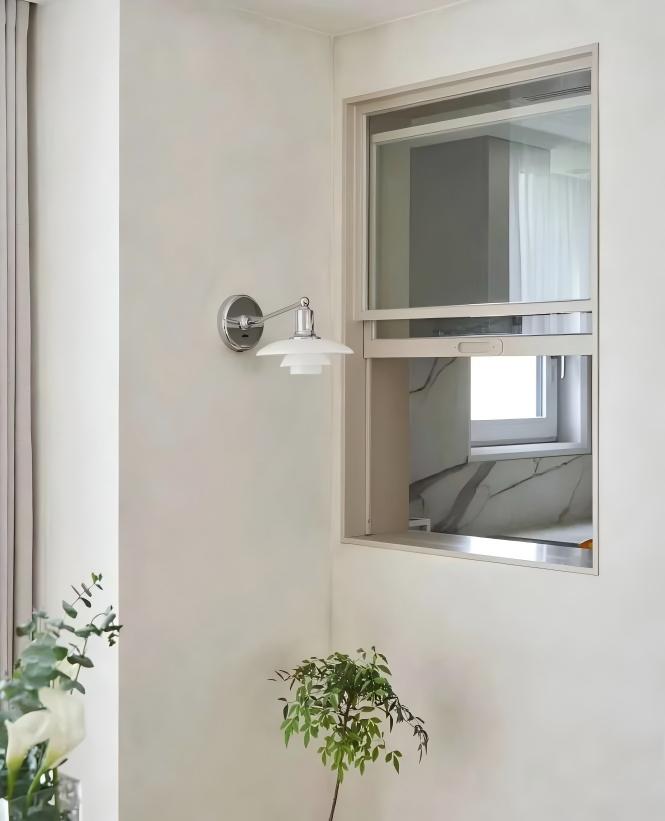
For Australian families living in warmer climates like Queensland or Western Australia, passive cooling is not just a luxury; it is a necessity. The type of window you choose significantly impacts your home's natural ability to cool itself.
This is where the double hung window truly outperforms its single-sash counterpart. By opening both sashes simultaneously—lowering the top and raising the bottom—you create a natural vacuum loop. Physics dictates that hot air rises. In a double hung setup, the warm, stale air accumulating near the ceiling escapes through the top opening.
Simultaneously, this exiting air creates negative pressure that pulls cooler, fresh air in through the bottom opening. This cycle is called the "Stack Effect." It effectively cycles air without the use of electricity. For non-air-conditioned homes, this feature is essential to reduce cooling loads during transitional seasons.
Ventilation needs often conflict with safety concerns, particularly for families with young children or adventurous pets. Double hung windows offer a distinct safety advantage. You can open only the top sash to allow airflow while keeping the bottom sash completely closed and locked.
This configuration maintains ventilation while preventing toddlers from accessing the opening at their level. It provides peace of mind that single hung window units cannot match, as they must open from the bottom.
Single hung window units are limited to a 50% openable area at the bottom only. While this provides adequate airflow for many situations, it does not facilitate active air circulation. Without the upper opening, the hot air trapped near the ceiling has no direct escape route. You may need to rely more heavily on ceiling fans or air conditioning to move that stagnant air mass.
The joy of a beautiful view can quickly fade if cleaning the glass becomes a dangerous chore. The "tilt-in" feature found in modern hung windows changes the maintenance landscape significantly.
Most modern double hung windows feature tilt latches on both sashes. This allows homeowners to tilt the glass inward and clean the exterior surface from the comfort of the room. This capability is a game-changer for second-story applications. It eliminates the need for tall ladders or hiring professional cleaners.
Conversely, while the bottom sash of a single hung window may tilt in, the top sash is fixed. To clean the exterior of the top sash, you must go outside. For ground-floor rooms, this is manageable. For upper stories, it becomes a significant logistical challenge. Therefore, single hung window units are often sufficient for ground floors where exterior access is simple, but less desirable for heights.
There is a critical usability flaw often identified in User Generated Content (UGC) and forums. Operating the top sash of a double hung window requires reach and leverage. If you install a double hung window over a deep kitchen counter or a wide sink, reaching the lock on the top sash can be physically difficult.
Shorter users may find themselves climbing on countertops to unlock the window. This is poor ergonomic design. In these specific "hard-to-reach" locations, we strongly recommend prioritizing single hung windows or sliding windows. The bottom-operation-only design ensures the controls are always accessible.
Both types are "flyscreen friendly," a mandatory feature for the Australian environment. However, the screen configuration differs. Double hung windows often require full screens that cover the entire window frame to allow for top ventilation. Single hung window units often utilize half-screens that cover only the bottom section. Full screens can slightly darken the room more than half screens, a minor but noteworthy aesthetic trade-off.
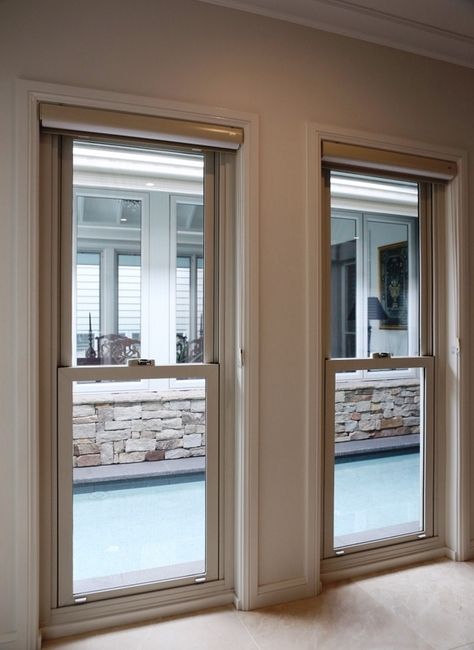
With rising energy costs, the thermal performance of your windows is paramount. The debate between single hung window and double hung windowefficiency often comes down to the number of seals and potential leakage points.
Historically, single hung window units perform slightly better in blower-door tests. Because the top sash is permanently sealed to the frame, there are fewer gaps for air leakage. It is a static seal rather than a dynamic one.
Modern engineering has closed this gap significantly. A high-quality Double Glazed Hung Window mitigates leakage using advanced compression seals and weatherstripping. However, double hung windows do require more maintenance. As the hardware ages, you must lubricate the tracks and check the weatherstripping to ensure the seals remain tight against air infiltration.
The operation type is secondary to the materials used. The frame material and the glazing specification matter more for total energy efficiency than the choice between single hung window or double hung window operation. For example, a standard aluminum frame conducts heat readily. Choosing a Non-thermal Break Hung Window is generally less efficient than selecting a thermally broken system, regardless of whether the sash moves.
If you are building an Energy Efficient Hung Window package for your home, prioritize double glazing and thermal breaks first. However, there is one specific weather scenario where single hung windows: high-wind coastal zones. In severe storms, the fixed top sash offers superior resistance to water ingress compared to a moving sash that relies on mechanical pressure to seal.
Budget often dictates the final decision. Understanding where the costs lie helps you allocate funds effectively without compromising on key features.
You should expect a 20–30% higher cost for double hung window units compared to single hung equivalents. This premium covers several factors:
Hardware: The complex balancing mechanisms required to hold the heavy sashes in place.
Locks: Additional locking mechanisms for the dual-sash operation.
Screens: The cost of full-sized screens versus half screens.
Assembly: Increased labor time in the factory.
The manufacturing process also varies. A Hung Window manufacturer may have longer lead times for double hung window units due to the assembly complexity.
Installation complexity is another factor. Double hung window frames require precise squaring. If the frame is installed slightly out of square, the sashes may bind or travel unevenly. Single hung windows are inherently more forgiving during installation because half the unit is rigid. This can sometimes result in slightly lower installation labor costs for single hung window projects.
The most intelligent approach is not to choose one type for the entire house. Instead, use a "Mix and Match" strategy to value-engineer your project. By assigning specific window types to specific rooms, you maximize functionality where it counts and save money where it doesn't.
| Room / Location | Recommended Type | Reasoning |
|---|---|---|
| Bedrooms | Double Hung Window | Maximize passive ventilation (Stack Effect) for sleeping comfort. |
| Bathrooms | Double Hung Window | Open top sash to let steam escape while maintaining privacy at the bottom. |
| Second Story | Double Hung Window | Critical for safe, easy cleaning from the inside. |
| Kitchen (Over Sink) | Single Hung / Sliding Window | Ergonomics; avoid reaching high over deep counters. |
| Garage / Utility | Single Hung Window | Cost savings; high functionality is rarely required here. |
| Hallways | Single Hung Window | Often used for light rather than airflow; save budget here. |
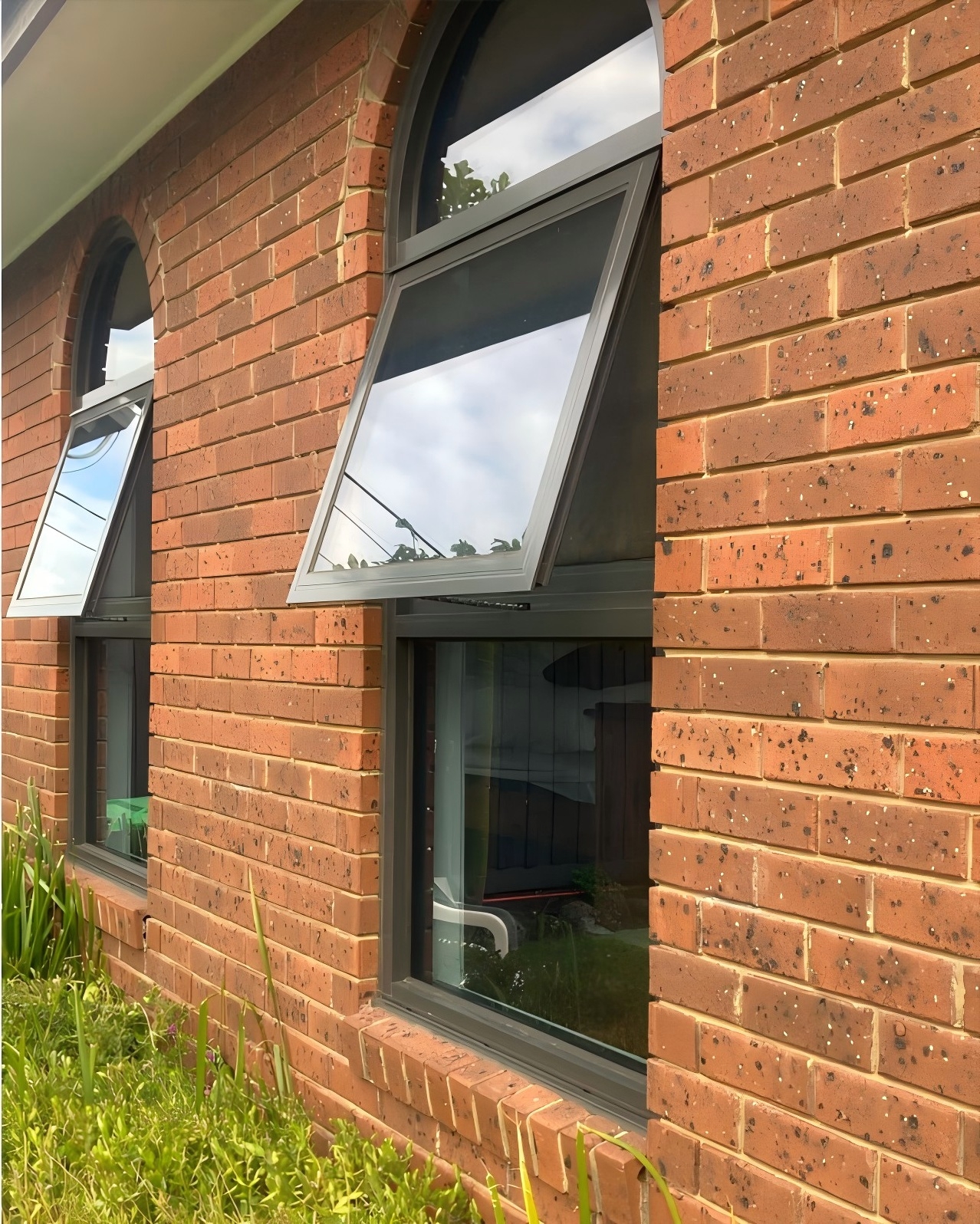
If you are still weighing the options, use this decision matrix to clarify your needs based on your specific property conditions.
Budget is the primary constraint: You are renovating for profit or flipping a home and need the aesthetic without the mechanical cost.
The home is single-story only: You can easily walk around the exterior to clean the glass.
Hard-to-reach spots: The window is high on a wall or located over wide furniture where operating a top sash is impractical.
High-wind coastal areas: You need maximum water resistance and seal durability against driving rain.
The home is two or more stories: Internal cleaning access is a critical safety and convenience factor.
You rely on passive airflow: You want to utilize the Stack Effect to cool your home naturally rather than running A/C constantly.
Safety concerns: You have small children or pets and need top-sash ventilation safety.
Historical Accuracy: You are restoring a Heritage or Victorian-style home where the functionality must match the traditional design.
The choice between single and double hung windows is rarely black and white. While the Single Hung Window wins on upfront cost and long-term seal durability, the Double Hung Window is a clear investment in lifestyle—specifically regarding airflow control and ease of cleaning.
For most Australian families, the best path forward is a hybrid approach. Do not view this as a binary choice for the whole house. Adopt a room-by-room selection strategy. Install double hung window units in bedrooms and bathrooms for comfort, and utilize single hung window units in hallways and utility areas to protect your budget. This strategy ensures you maximize budget efficiency without sacrificing comfort where it counts. For specific project advice, consider consulting with Rolansini's team to review your architectural plans.
A: Generally, yes. Because the top sash is fixed and sealed directly to the frame, single hung windows have fewer potential gaps for air infiltration. However, a high-quality double glazed double hung window with modern weatherstripping can still offer excellent energy performance, provided it is well-maintained.
A: Yes, but it can be costly. The frame depth and internal stops often differ. You typically cannot just swap the sashes; you must replace the entire window frame. This involves removing interior trim and potentially exterior siding, making it a significant retrofit project.
A: They are not more prone to glass breakage, but the balancing mechanisms can fail over time. After 10 to 15 years, the springs or cords in the balance system may lose tension or break, causing the sash to not stay up. Single hung windows have fewer moving parts, reducing this specific maintenance risk.
A: Aluminum is extremely popular due to its strength and resistance to the harsh Australian sun. For energy efficiency, a thermally broken aluminum frame is ideal. While PVC is gaining traction for insulation, aluminum offers slimmer sightlines that suit both modern and heritage aesthetics.
A: This is known as "gravity drift." It usually means the balancing mechanism is either damaged or needs adjustment. If the shoe (the part connecting the sash to the balance) has slipped, or the tension spring has fatigued, the sash won't hold its weight. Professional adjustment is usually required.


