
Views: 0 Author: Site Editor Publish Time: 2026-10-24 Origin: Site


Selecting the right windows in Australian climates carries incredibly high stakes. Poorly sealed aluminium frames often create severe thermal bridging issues. You might experience uncomfortable drafts or sudden water ingress during extreme weather events. Buyers usually compare multiple quotes during their planning stage. Many products look aesthetically identical in a pristine showroom. However, they feature vastly different structural and sealing capabilities. We see homeowners make costly mistakes based on appearances alone. You cannot rely strictly on polished marketing claims. Long-term performance relies entirely on specific, verifiable frame extrusions. It also depends on precise seal configurations and robust hardware integration. You need to know exactly what sits inside the window frame. This guide reveals the hidden details you must evaluate to ensure ultimate weatherproofing and structural integrity for your home.
Continuous, dual-perimeter seals (like Santoprene or EPDM) are non-negotiable for high wind and water resistance.
Frame extrusions must accommodate heavy glass loads, particularly if specifying a double glazed awning window.
The hardware—specifically how the chain winder integrates with the frame—determines the integrity of the bottom seal.
Always demand verification that the specific configuration is an AS2047 awning window, tested for Australian conditions.
Standard, unoptimized aluminium frames present a major business problem for builders and homeowners. Aluminium naturally acts as a highly efficient thermal conductor. Without proper engineering, these frames transfer outside temperatures directly indoors. You face heavy condensation buildup on cold mornings. They also cause intense heat gain in summer and rapid heat loss in winter.
Australian environmental realities demand much higher structural standards. You must account for coastal salt spray corroding weak metals. Intense UV radiation quickly degrades cheap plastic components. Specific regions also experience high cyclonic wind loads. Weak frames simply buckle under these intense environmental pressures. Once a frame bends, the weather seals fail permanently.
Buyers face a significant lookalike risk during the selection process. Low-tier and high-tier windows look virtually identical when displayed side-by-side. The critical differences remain hidden entirely inside the frame cavity. They hide within the internal seal channels and corner joints. If you only evaluate the exterior finish, you risk installing a substandard product.
Assuming all aluminium frames offer identical thermal performance.
Selecting standard frames for harsh coastal environments without upgrading the finish.
Ignoring internal seal quality during showroom visits.
Profile thickness dictates the overall structural integrity of your window. You need a minimum wall thickness to prevent frame deflection under heavy wind pressure. Thin extrusions twist and warp over time. This warping compromises your sealing mechanisms permanently. Wind will easily whistle through warped frames.
Thermal management presents another crucial evaluation point. Standard aluminium frames differ heavily from thermally broken aluminium frames. Thermally broken profiles feature an internal polyamide barrier. This barrier stops heat transfer dead in its tracks. You must weigh the upfront costs against mandatory energy ratings. NatHERS compliance often pushes you toward better thermal management.
Consider the internal glazing pocket capacity carefully. The frame must structurally support thicker, heavier glass units. Thicker glass should never compromise the sash operation. Assess the maximum glazing thickness available. You need it to accommodate a true double glazed awning window. High-performance acoustic and thermal setups typically require 18mm to 24mm pockets.
Finally, scrutinize how manufacturers join the frame corners. Weak joints invite capillary action. This draws water inside the building envelope. The best joints are mechanically staked, structurally crimped, and injected with high-grade sealant. Avoid frames relying purely on basic screws and superficial silicone.
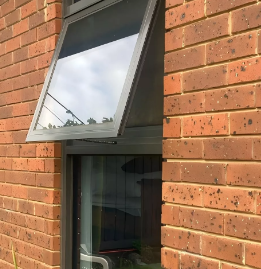
Seal quality dictates weather resistance entirely. You must differentiate between cheap PVC seals and high-performance alternatives. PVC seals frequently suffer from severe UV shrinkage. They crack and harden after just a few hot summers. We strongly recommend specifying Santoprene or EPDM rubbers instead. They retain their flexibility through decades of intense sun exposure.
Pay attention to how the manufacturer installs the seals. Co-extruded seals offer massive durability advantages. The factory fuses these seals directly to the frame during manufacturing. Standard slide-in seals often stretch, shrink, or retract over time. This movement leaves dangerous, unsealed gaps at the corners.
Dual perimeter sealing remains absolutely vital for optimal performance. A single point of contact is insufficient against driving rain. You need a primary weather seal on the external edge. You also need a secondary acoustic and dust seal located on the interior sash. This dual approach guarantees an impenetrable barrier.
Understand the unique compression dynamics of this window style. The top awning hinge geometry naturally compresses the top seal tightly. However, the bottom edge requires specific locking mechanisms to ensure tight compression. Without proper tension, the bottom seal will leak air continuously.
| Material Type | UV Resistance | Flexibility Over Time | Recommended Application |
|---|---|---|---|
| Standard PVC | Low | Hardens and cracks quickly | Budget or temporary builds only |
| EPDM Rubber | Very High | Excellent long-term elasticity | High-exposure residential and commercial |
| Santoprene | High | Maintains shape under pressure | Premium architectural window suites |
Hardware integration creates a major vulnerability if executed poorly. Standard awning windows often leak air and water at the sill. This happens because the winder mechanism physically interrupts the continuous bottom seal. Water blows straight through these gaps during heavy storms.
You must evaluate how the manufacturer builds a chain winder awning window. Look closely at the sash bracket and the internal housing. Ensure the chain exits the frame smoothly. It should never leave a permanent, unsealed gap when the window closes completely. Superior designs incorporate a protective cowl or internal brush seal to block drafts.
Material quality dictates the lifespan of your hardware. We always recommend 304 or 316 stainless steel chains. Ensure the internal winding components utilize stainless steel too. Cheaper metals bind, rust, and corrode rapidly. This happens especially fast in corrosive coastal zones.
Consider the impact of locking versus non-locking winders. Keyed winders provide necessary security for your home. They also play a vital role in maintaining optimal seal compression. A locked winder pulls the sash firmly into the frame. It prevents the sash from rattling and breaking the airtight seal.
Marketing promises mean very little without objective testing. Demanding an AS2047 awning window provides the only objective baseline for compliance in Australia. This rigorous standard proves the product can withstand extreme local conditions. It eliminates guesswork completely.
You must request specific performance metrics from your supplier:
Design Wind Pressure (Pa): You must match the window rating directly to your site's specific terrain category. Coastal areas demand significantly higher ratings than sheltered suburbs.
Water Penetration Resistance (Pa): Check the minimum thresholds for keeping intense driving rain out of the building. Higher thresholds guarantee dry interiors during severe storms.
Air Infiltration limits: These limits remain critical for optimizing HVAC efficiency. They also maximize acoustic control to keep street noise outside.
Instruct your builders to avoid vague, unsubstantiated claims. Do not accept a generic compliant badge on a quote. Ask for the manufacturer's actual test certificate. Ensure it matches the specific size and configuration they quoted for your project.
Auditing quotes requires a strict apples-to-apples comparison methodology. Create a simple checklist to compare multiple suppliers objectively. Verify the exact seal type offered. Check the frame suite thickness. Confirm the specific glass specification. Always check the winder material quality before signing anything.
Understand the critical installation dependencies involved. The absolute best aluminium awning windows Australia has to offer will fail if installed poorly. Sub-sill flashing must be perfect. The perimeter caulking must be executed flawlessly by the installation team. A high-performance window cannot compensate for a leaking wall cavity.
Watch out for deceptive warranty traps during your review. Look past the heavily promoted structural warranty. You need to find the moving parts warranty. This section covers the seals, rollers, and winders. Inferior products often limit this crucial warranty to just one to three years.
Your next steps should involve demanding physical proof. Advise your architect or builder to request detailed cross-sectional drawings. Better yet, ask for physical cut-away samples from the supplier. Inspect the frame cavities and the dual seals directly. Ensure every detail matches your expectations for an aluminium awning window.
The true value of any window setup relies strictly on what happens when you lock it under pressure. Strong aesthetics mean nothing if the seals fail during a severe storm. You must evaluate the internal engineering components rigorously.
Prioritize heavy-duty frame extrusions and continuous dual EPDM seals. Look for properly integrated, stainless steel hardware. Always demand verifiable test certificates over minor initial cost savings.
These informed choices guarantee exceptional longevity. They also secure superior thermal comfort for your living spaces. Take the time to audit the physical cross-sections of your shortlisted quotes before paying any deposits.
A: Yes, they offer vastly superior thermal and acoustic performance. However, you must verify the hinge capacity. Heavy glass requires heavy-duty friction stays or continuous hinges. Standard residential hinges often suffer from long-term sagging risks under the extra weight. Always ask your supplier to confirm the hinge load rating.
A: Windows typically rattle due to poor sash stiffness and inadequate seal compression. Weak aluminium extrusions flex under heavy wind loads, breaking contact with the weather seal. To prevent this, specify highly rigid frame profiles and ensure the winder mechanism pulls the sash tightly against a co-extruded seal.
A: Standard aluminium transfers outside temperatures directly through the frame. Thermally broken frames feature an internal insulating barrier made of polyamide. This barrier stops heat and cold transfer. It drastically improves your home's energy efficiency and entirely prevents interior condensation buildup during the colder winter months.
A: Yes, you can replace most high-quality seals. However, co-extruded seals are permanently fused to the frame and rarely fail. Slide-in seals degrade faster but allow for easier replacement. Prioritize premium materials like EPDM to minimize maintenance requirements and avoid early seal degradation entirely.


