
Views: 0 Author: Site Editor Publish Time: 2026-09-29 Origin: Site


Australia presents some of the most extreme and diverse climates on the planet. From the cyclonic winds battering the northern coasts to the freezing alpine regions and volatile bushfire-prone zones, building envelopes face immense structural and thermal demands. Specifying the wrong fenestration leads to serious compliance failures. It causes significant energy leakage. It also accelerates long-term structural degradation. Architects, builders, and homeowners need absolute certainty when selecting building materials to withstand these harsh environmental realities. We provide a transparent, criteria-driven framework for evaluating how aluminium sliding windows Australia perform against strict weather variables. You will learn the core structural requirements, thermal mitigation strategies, and resilience metrics necessary for modern Australian builds. Understanding these parameters prevents costly delays during building inspections. You can confidently navigate complex energy regulations while achieving the desired architectural aesthetic. This guide ensures complete compliance and maximizes long-term structural integrity.
Mandatory Compliance: Any sliding window specified for residential or commercial builds must pass rigorous testing under the AS2047 standard for structural deflection and water penetration.
Thermal Mitigation: Standard aluminium frames are highly conductive; meeting modern NatHERS energy requirements typically necessitates a thermally broken, double glazed sliding window.
Extreme Weather Resilience: Aluminium systems can be engineered to meet high Bushfire Attack Level (BAL) ratings and coastal corrosion requirements, provided the correct hardware and surface finishes are specified.
Verification is Critical: Supplier claims must be backed by NATA-accredited testing certificates to mitigate project handover risks.
The cost of retrofitting non-compliant windows far exceeds the initial investment of specifying them correctly. Water ingress or thermal failure damages internal walls, ruins flooring, and breeds mold. In residential and commercial construction, failing to account for local weather conditions introduces severe structural risks. Project managers face significant delays if building certifiers reject unverified fenestration products.
You must carefully navigate the Nationwide House Energy Rating Scheme (NatHERS). Australia divides into distinct climate zones. Each zone dictates radically different performance baselines for your building envelope. Northern Queensland builds prioritize blocking intense solar heat gain. High temperatures and humidity demand specialized glazing to reduce air conditioning loads. Conversely, Tasmanian projects focus heavily on retaining internal heat during freezing winters. Understanding your specific zone prevents massive energy inefficiencies.
Aluminium offers exceptional structural strength-to-weight ratios. The extrusion process creates rigid frames capable of spanning large openings. This material prevents frame warping under intense wind loads. It outperforms timber and uPVC in structural longevity. However, we must acknowledge a critical physical reality. Standard aluminium acts as a highly efficient thermal conductor. It inherently requires engineered thermal management to perform efficiently. By applying modern engineering standards, manufacturers neutralize this conductivity. We ensure building envelopes remain robust, visually striking, and compliant.
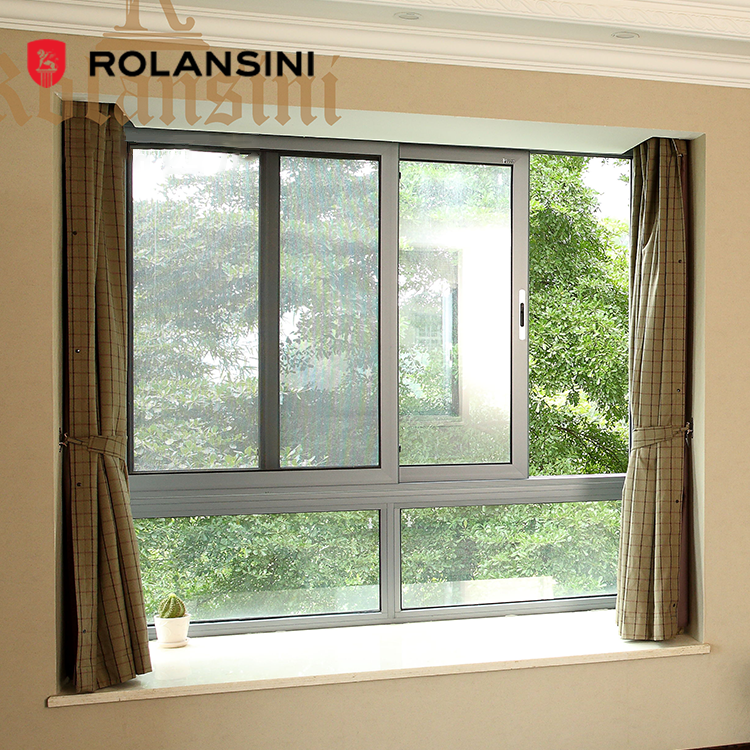
What exactly dictates window compliance in this country? AS2047 is the mandatory Australian Standard detailing materials, construction, installation, and glazing for all windows. Specifying certified AS2047 Windows remains non-negotiable for any legitimate project approval.
We evaluate compliance across three primary testing dimensions in NATA-accredited laboratories. NATA stands for National Association of Testing Authorities. Their testing protocols expose frames to simulated extreme weather events.
Structural Deflection Test: We verify the frame withstands positive and negative wind pressures without permanent distortion. Engineers apply massive pressure to the glass and frame. This proves critical for cyclonic regions. Categories like C1 to C4 in northern Australia require incredibly rigid mullions to survive cyclonic gusts.
Operating Force Test: This test ensures the sliding mechanism functions smoothly under significant load. Heavy sashes must slide without binding. Rollers endure thousands of cycles to simulate decades of daily operation.
Air Infiltration & Water Penetration Resistance: We evaluate sealing systems against driving rain. Laboratories spray continuous water while applying air pressure to force water through the seals. High-performance weather seals prevent internal structural damage. Typical ratings require resistance at 150 Pascals or even 300 Pascals for exposed sites.
Meeting the Australian Standard Sliding Window requirement protects builders legally and financially. Importing non-certified overseas systems presents a severe compliance risk. It also introduces massive insurance liabilities. If unverified fenestration fails during a storm event, insurers often deny coverage. Always demand documented proof of local certification.
Best Practice: Always check the compliance label attached directly to the window frame upon site delivery.
Common Mistake: Assuming a window is compliant simply because the supplier uses standard AS1288 safety glass. The entire assembly must pass AS2047.
We must address the physics of heat transfer honestly. Standard aluminium stands out as a poor insulator. It conducts heat rapidly between the exterior and interior environments. Without intervention, it compromises overall energy efficiency. It makes achieving a 7-star NatHERS rating nearly impossible. However, modern engineering solves this hurdle effectively.
Manufacturers use reinforced polyamide strips to separate internal and external aluminium extrusions. We call this a thermal break. It stops cold or heat bridging instantly. The exterior frame can bake in the sun while the interior frame remains cool to the touch. This technology transforms a highly conductive material into a high-performance insulator.
Upgrading the glass unit is equally critical. You can specify Low-E (Low Emissivity) glass paired with argon gas fills between the panes. Low-E coatings reflect radiant heat rather than absorbing it. This combination optimizes two vital metrics. It improves U-Values, which measure total insulation. It also fine-tunes the Solar Heat Gain Coefficient (SHGC). Integrating a well-engineered Double Glazed Sliding Window drastically improves indoor comfort.
Upgrading to thermally broken, double-glazed systems directly impacts your heating and cooling systems. It creates massive HVAC load reductions. Smaller, more efficient air conditioners can maintain comfortable internal temperatures. It ensures strict compliance with local energy codes. The upfront design choice dictates long-term thermal comfort and daily operational efficiency.
Australian environments test building materials to their absolute limits. You must engineer systems to survive both terrifying ember attacks and severe salt corrosion.
We evaluate aluminium's performance under the AS3959 standard for building in bushfire-prone areas. Zones range from BAL-12.5 up to BAL-40, and finally Flame Zone (BAL-FZ). Building codes mandate specific hardware modifications to prevent glazing failure under extreme radiant heat. You must specify metal rollers instead of standard nylon. Nylon melts quickly during a fire, causing the sash to drop and glass to shatter. You also need specific stainless-steel or bronze mesh screens to stop ember attacks. Properly engineered aluminium structures withstand these thermal shocks exceptionally well.
| Bushfire Attack Level (BAL) | Heat Flux Exposure | Window Hardware & Glazing Requirements |
|---|---|---|
| BAL-12.5 | Low (Ember attack) | Standard 4mm or 5mm safety glass. Basic aluminium fly screens permitted. |
| BAL-29 | High (Increased radiant heat) | Toughened glass (min 5mm). Metal hardware components. Non-combustible weather seals. |
| BAL-40 | Very High (Burning debris) | Toughened glass (min 6mm). Specialized metal screens (stainless steel or bronze only). |
Salt spray degradation presents a constant risk factor for coastal properties. Ocean breezes carry microscopic salt particles inland. These particles settle on exposed metals, accelerating oxidation. You must manage this aggressively. We specify marine-grade powder coating. This typically requires a 25-micron thickness for residential applications. Alternatively, specialized 25-micron anodizing prevents pitting and severe oxidation.
Never install untreated standard frames within one kilometer of crashing surf. Routine wash-downs remain necessary. You must clean the frames every three to six months to protect your surface warranty. Salt buildup voids warranties rapidly if left unmanaged.
Specifying the correct product represents only half the battle. Implementation and procurement require careful planning and strict oversight.
Correct integration with the building wrap prevents moisture bridging. You must install proper sub-sill flashing. Sub-sills capture any water breaching the primary frame seals and direct it safely outward. Without this weep path, water pools inside the wall cavity.
Heavy double-glazed aluminium panels demand appropriate on-site handling. A large Sliding Window can easily weigh over 150 kilograms. Installers require specialized lifting equipment like vacuum cups to position sashes safely. Precise track leveling proves vital. A slight warp in the track ruins the user experience. The heavy sash will grind against the track, destroying the rollers prematurely.
How do you choose the right supplier? Use these strict criteria to evaluate manufacturers:
Evidence of Compliance: Demand current, NATA-accredited test reports for the exact window configuration. Do not accept generic brand brochures or outdated certificates. The certificate must match the frame profile you intend to purchase.
Warranty Transparency: Scrutinize the warranty conditions thoroughly. Distinguish between hardware warranties (covering rollers and locks) versus the main extrusion finish warranty. Coastal zones often feature stricter maintenance clauses that you must follow.
Local Manufacturing vs. Imported: Assess current supply chain lead times. Verify local support availability. Check the ease of hardware replacement. If a proprietary locking mechanism fails five years later, you need a supplier who stocks spare parts locally. Imported glass must also strictly adhere to AS1288 safety standards.
Aluminium sliding windows in Australia are not a simple, one-size-fits-all commodity. They are highly engineered building envelope systems. When specified correctly against national standards and local climate data, they offer unmatched durability and thermal efficiency.
To secure a compliant and resilient build, take these action steps:
Verify all products against mandatory AS2047 testing protocols before committing to a purchase order.
Match the frame's thermal break and glazing specifications strictly to your regional NatHERS zone requirements.
Specify marine-grade finishes and metal hardware for coastal or bushfire-prone building sites.
Consult an acoustic or thermal engineer regarding your specific environmental challenges early in the design phase.
Request NATA-accredited compliance certificates directly from shortlisted window fabricators prior to final procurement.
A: Not legally mandatory everywhere, but increasingly necessary to meet modern energy efficiency ratings (like 7-star NatHERS) depending on your climate zone.
A: Look for the compliance label attached to the window frame and request the manufacturer’s performance certificate detailing wind and water ratings.
A: Yes, provided you specify a highly durable finish (such as ISO 2360 compliant anodizing or architectural-grade powder coating) and implement a regular maintenance/wash-down schedule to validate the warranty.


