
Views: 0 Author: Site Editor Publish Time: 2025-12-02 Origin: Site


Windows play a crucial role in the architecture and functionality of a building, offering light, ventilation, and visual connectivity with the outdoors. Among the diverse types of windows available today, the sliding window stands out for its practicality, elegance, and space-saving design. But what exactly is a sliding window, and why has it become a popular choice for modern homes, apartments, and commercial spaces? This article provides a comprehensive overview of sliding windows, their benefits, designs, materials, installation, and maintenance considerations.
A sliding window is a type of window that opens and closes by sliding horizontally along a track, rather than swinging inward or outward like traditional casement windows. This simple yet ingenious design provides multiple advantages:
Sliding Window in Space Efficiency: Since sliding windows do not require extra clearance to open, they are ideal for compact rooms, narrow hallways, or areas where outdoor obstructions exist.
Sliding Window in Unobstructed Views: The large glass panes typically used in sliding windows allow for a wide, clear view of the exterior, maximizing natural light.
Sliding Window in Ease of Operation: Sliding mechanisms are generally smooth and require minimal effort to open or close, making them user-friendly for all age groups.
Sliding windows are often found in residential homes, apartments, offices, and even high-rise buildings where functional, durable, and low-maintenance windows are essential.
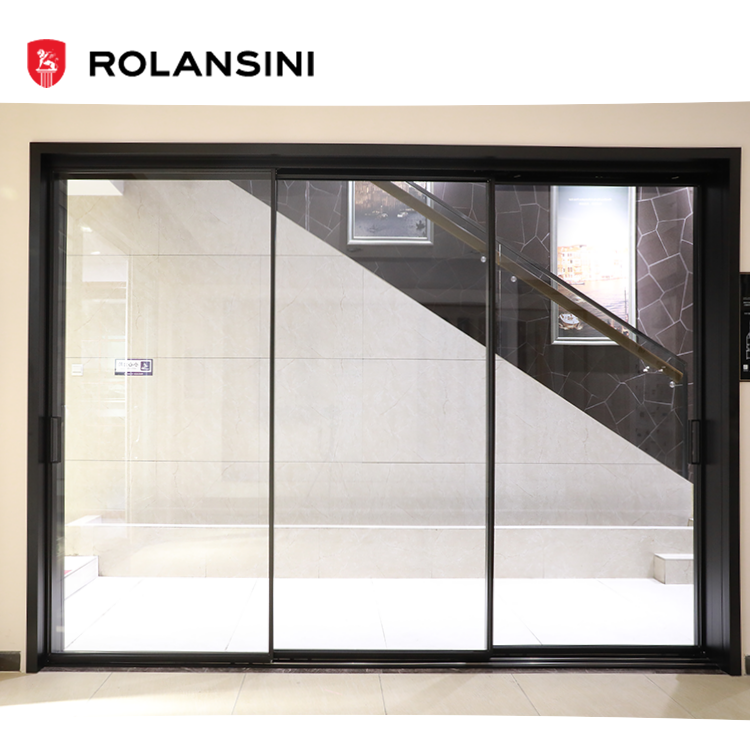
To fully appreciate the design and functionality of a sliding window, it is important to understand its key components:
The frame forms the structural boundary of the sliding window and is typically made from aluminum, uPVC, vinyl, or wood. Among these materials, aluminum frames are widely favored for their durability, corrosion resistance, and sleek aesthetics.
The sash refers to the movable part of the window that holds the glass. In sliding windows, one or more sashes glide horizontally along the frame’s tracks. Sash thickness, profile design, and sealing systems significantly affect the window’s insulation and wind resistance.
Sliding windows are available with various types of glass, including double glazing, Low-E, tempered, laminated, and frosted glass. The choice of glass impacts thermal performance, sound insulation, safety, and privacy.
Smooth operation is achieved through precision-engineered tracks and rollers. High-quality rollers reduce friction, ensure long-term reliability, and prevent the sash from sticking or wobbling.
Weatherproofing is provided by EPDM gaskets or silicone seals that prevent air, water, and dust infiltration while improving energy efficiency.
Many sliding windows come with integrated or removable screens made of durable stainless steel or fiberglass mesh. These screens allow ventilation while keeping insects and debris out.
Sliding windows are versatile and come in several variations, each designed to meet different functional and aesthetic needs:
This is the most basic type where only one sash moves horizontally, while the other remains fixed. Single-sliding windows are ideal for small spaces and cost-effective solutions.
Both sashes slide horizontally, offering more flexibility in ventilation and access. This design is often preferred in wider openings, such as living rooms or commercial facades.
Featuring three or more sashes on separate tracks, multi-track sliding windows are commonly used in expansive openings like panoramic views in villas, offices, or large apartments. They combine high visual appeal with practical functionality.
Advanced sliding windows may feature side compression or airtight sealing systems, which provide superior wind resistance, thermal insulation, and acoustic performance. These models are ideal for areas with harsh weather conditions or where noise reduction is a priority.
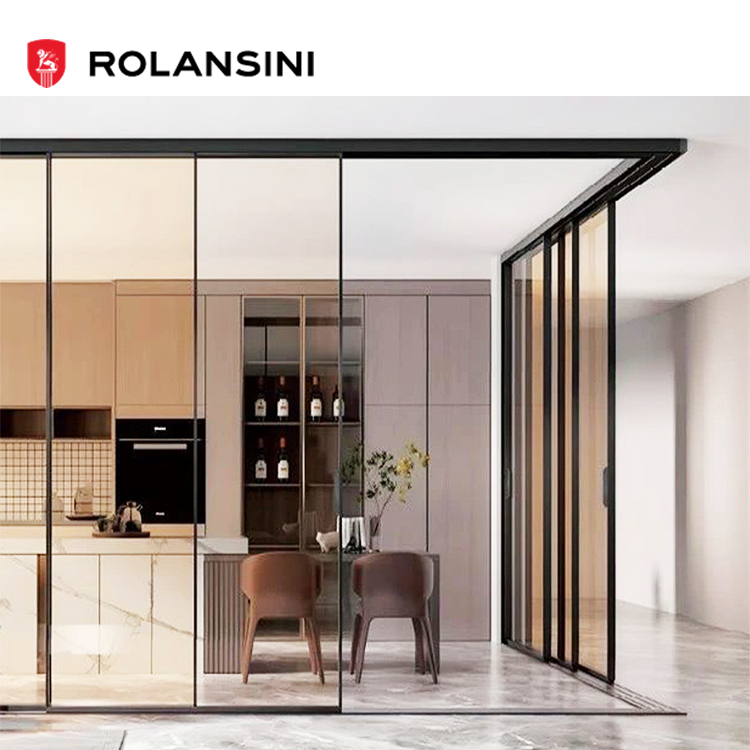
The popularity of sliding windows can be attributed to several distinct advantages:
Sliding windows do not protrude inside or outside, making them perfect for confined spaces, balcony areas, or rooms where furniture placement may be an issue.
Large glass panels create a wide field of view, increasing sunlight penetration into the interior. This not only brightens spaces but also contributes to energy efficiency by reducing the need for artificial lighting during the day.
Sliding windows allow users to open one or more sashes, creating a controlled airflow. Many models also integrate screens to allow fresh air in while keeping insects and dust out.
Unlike casement or tilt-and-turn windows, sliding windows have fewer moving parts. High-quality materials like aluminum and stainless steel rollers require minimal maintenance and are resistant to corrosion, warping, or fading.
Sliding windows offer a modern, clean look suitable for contemporary or traditional architecture. They can be customized with finishes such as powder coating, wood-grain transfer, or PVDF coating to complement the overall design of a building.
With proper double or triple glazing, airtight seals, and thermal breaks, sliding windows can significantly improve a building’s insulation. This leads to reduced energy costs for heating or cooling while maintaining comfortable indoor temperatures.
The material of a sliding window frame greatly influences its performance, durability, and aesthetic appeal.
Aluminum frames are lightweight, strong, and corrosion-resistant. They offer sleek, slim profiles for maximum glass exposure and are ideal for modern homes or coastal environments. Rolansini’s aluminum sliding windows use 6063T5 alloy, providing long-term stability and high wind resistance.
These materials are cost-effective, provide good thermal insulation, and are low-maintenance. uPVC frames are resistant to moisture and do not require painting.
Wood frames offer natural beauty and thermal insulation but require regular maintenance. Sliding windows with wooden frames are often used in premium or heritage buildings for their classic aesthetic.
Some modern sliding windows combine aluminum exteriors with uPVC or wooden interiors, balancing durability, energy efficiency, and visual appeal.
Proper installation is critical to ensure the longevity, performance, and safety of sliding windows. Key considerations include:
Level and Plumb Alignment: Accurate leveling prevents sash sticking and ensures smooth sliding.
Seal and Weatherproofing: Proper sealing around the frame prevents air and water leaks.
Structural Support: Large or multi-track sliding windows may require reinforced frames or supports.
Compliance with Local Standards: In Australia, sliding windows should comply with AS2047 wind load and water penetration requirements.
Professional installation ensures that sliding windows perform optimally in terms of insulation, ventilation, and security.
To maximize the lifespan and functionality of sliding windows:
Regularly clean the tracks and rollers to remove dust and debris.
Lubricate rollers with silicone-based lubricants for smooth operation.
Inspect seals and gaskets periodically and replace any damaged components.
Clean glass with mild detergents and non-abrasive cloths.
Check for corrosion or wear in coastal or high-humidity environments.
Routine maintenance not only preserves aesthetics but also ensures energy efficiency and security.
When selecting a sliding window, consider the following factors:
Climate and Wind Resistance: Coastal or storm-prone areas require reinforced frames and anti-sway mechanisms.
Glass Performance: Double or triple glazing, argon-filled glass, and Low-E coatings enhance insulation and reduce noise.
Security Features: Stainless steel mesh, multipoint locking, and exterior-mountable screens improve safety.
Aesthetic Requirements: Choose finishes, colors, and styles that match the interior and exterior design.
Budget and Longevity: High-quality materials may have higher upfront costs but offer better durability and lower maintenance over time.
Rolansini is an international company specializing in premium aluminum sliding windows designed for residential, commercial, and high-end projects. With over 15 years of experience, Rolansini combines German engineering with Italian-inspired aesthetics, offering windows that excel in wind resistance, thermal insulation, soundproofing, and durability.
Popular models like the Australian Standard 6 Tracks Sliding Window and SL004 Non-Thermal Break Sliding Window are tailored for Australian homes, villas, and apartments, providing reliable performance in diverse climates while enhancing indoor comfort and security. Rolansini also offers professional installation guidance, technical support, and customizable solutions to meet every project requirement.
1. What is the main difference between a sliding window and a casement window?
A sliding window opens horizontally along a track, saving space and allowing larger glass panels, while a casement window swings open on hinges, requiring exterior or interior clearance.
2. Are sliding windows suitable for coastal regions?
Yes, provided they are constructed with corrosion-resistant materials like aluminum alloy 6063T5 and have anti-sway and airtight sealing mechanisms.
3. How do I maintain my sliding window?
Regularly clean the tracks, lubricate rollers, inspect seals, and keep glass and frames free of dirt to ensure smooth operation and longevity.
4. Can sliding windows improve energy efficiency?
Absolutely. Using double or triple glazing, Low-E glass, airtight seals, and thermal breaks helps reduce heat transfer, keeping interiors cooler in summer and warmer in winter.
5. Are sliding windows secure?
Yes. Many models feature stainless steel mesh, multipoint locks, and exterior-mountable screens, providing both security and ventilation without compromising aesthetics.


