Views: 0 Author: Guangdong Rolansini Home Furnishing Technology Co., Ltd. Publish Time: 2025-11-24 Origin: https://www.rolansini-windows.com/


For Sydney’s sweltering summers and Melbourne’s chilly winters, selecting the right australian window—especially durable aluminum window and efficient double glazed window—is key to indoor comfort and lower energy bills. This guide walks you through picking high-quality aluminum windows, explains Australia’s mandatory 7-star energy standard, breaks down insulation-boosting features, and simplifies the Window Energy Rating Scheme (WERS) to help you make informed choices—with a trusted solution from Rolansini.

Thick, Durable Aluminum Profiles: Look for window frames with a minimum wall thickness of 1.4mm (per Australian standards) and door frames of 2.0mm. These resist warping from Sydney’s humidity or Melbourne’s temperature swings, unlike thin 0.6–0.8mm profiles that risk safety hazards.
Precision Manufacturing: High-quality aluminum window have smooth edges, no burrs, and seamless assembly. Poorly made options (e.g., saw-cut instead of milled parts) lead to air leaks and stuck hinges.
Reliable Hardware: Opt for corrosion-resistant hinges and locks (ideal for coastal Sydney suburbs) to avoid rust and ensure long-term functionality.
Tight Sealing: Check for high-grade gaskets—this hints at better energy efficiency, which we’ll dive into next.
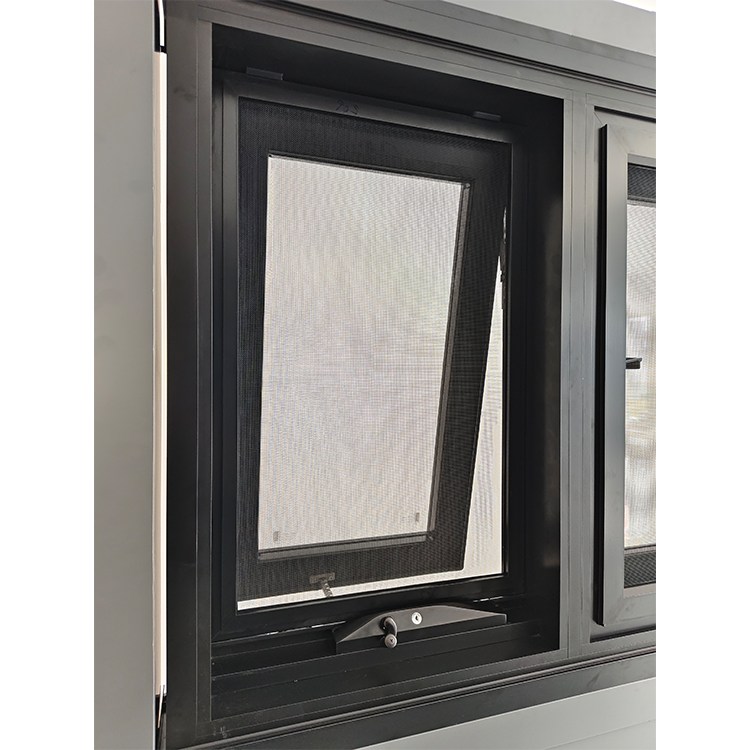
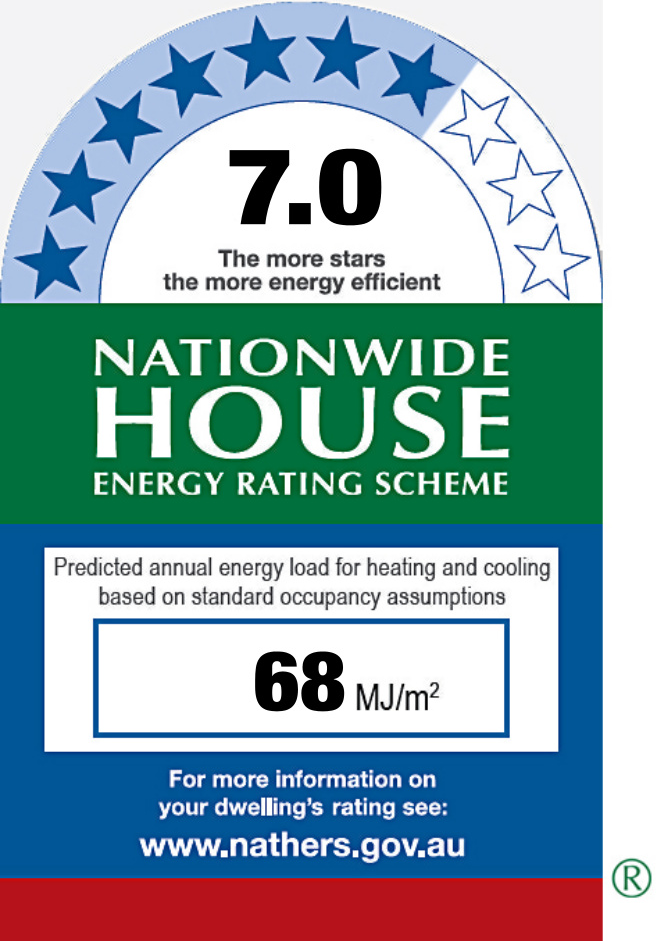
Your australian window is a critical part of meeting this standard. Ordinary single-glazed aluminum windows only reach 3–4 stars, so you need purpose-built features to hit 7 stars.
EPDM (ethylene propylene diene monomer) seals are the “unsung heroes” of energy efficiency. Unlike cheap vinyl strips that crack, EPDM stays flexible in extreme temperatures, blocking air and water leaks. Rolansini uses European-standard EPDM strips to ensure airtightness—no more drafty windows in Melbourne’s winters!

Thermal Break Structure

Double Glazed Glass

Low-E Glass
 Tinted Glass
  EPDM Sealing Strips
U-Value: Measures heat transfer (lower = better insulation). It includes conduction, convection, and radiation—so a low U-value means less heat leaks out in winter or seeps in in summer.
SHGC (Solar Heat Gain Coefficient): Measures how much solar heat passes through (lower = less summer heat gain). Adjust this based on your climate: Sydney needs lower SHGC; Melbourne can tolerate slightly higher SHGC for winter warmth.
Sydney (Humid Subtropical): U-value ≤1.8 W/m²·K, SHGC ≈0.35–0.45 (e.g., Rolansini’s 5Low-E+20A+5 argon-filled double glazed window).
Melbourne (Temperate Oceanic): U-value ≤1.5 W/m²·K, SHGC ≈0.4–0.5 (e.g., triple-glazed Low-E configurations for extra winter insulation).