
Views: 0 Author: Guangdong Rolansini Home Furnishing Technology Co., Ltd. Publish Time: 2025-11-17 Origin: https://www.rolansini-windows.com/


Tinted glass achieves coloring by adding metal oxides (such as iron, cobalt, nickel, etc.) during manufacturing. Its core function is to regulate the heat transfer of doors and windows by reflecting and absorbing solar radiation energy, exerting a significant impact on the insulation performance, indoor comfort, and energy efficiency of aluminum windows. The following analysis covers principles, practical effects, applicable scenarios, and precautions, with a focus on climate adaptability in Australian regions such as Sydney and Melbourne (e.g., high-temperature exposure, temperature fluctuations):
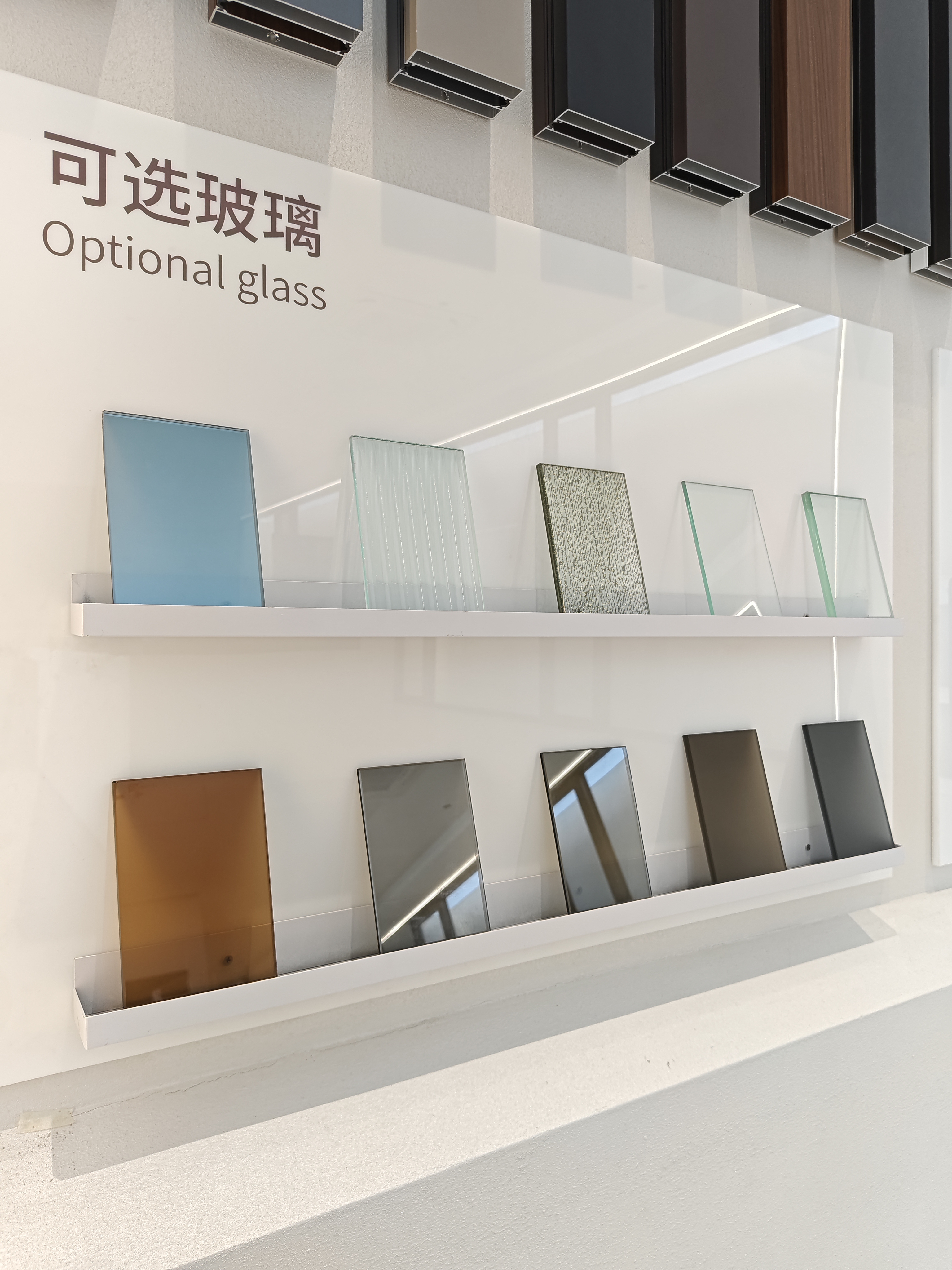
Selective Absorption: Colorants (e.g., iron oxides) prioritize absorbing infrared rays and part of ultraviolet rays, reducing heat conduction through glass into the room;
Reflection Effect: Dark pigments can reflect approximately 20%-40% of solar radiant heat, lowering the Solar Heat Gain Coefficient (SHGC) and reducing indoor air conditioning energy consumption.
Its insulation effect is directly related to coloring depth and color type, and it needs to be paired with double glazed glass or thermal insulation structures (such as thermal break aluminum frames) to maximize its effectiveness.
Reduce Solar Radiant Heat Ingress: Compared with ordinary transparent glass, tinted glass can lower the SHGC value by 0.2-0.4 (e.g., ordinary transparent glass has an SHGC of ≈0.8, while dark tinted glass has an SHGC of ≈0.4-0.6). It is particularly suitable for hot summer regions like Sydney, as it reduces indoor solar heat accumulation and lowers air conditioning operating costs (field tests show it can reduce indoor temperature by 3-5℃).
Block Ultraviolet Rays and Protect Indoor Environment: Tinted glass can absorb over 90% of ultraviolet rays, preventing furniture, flooring, and fabrics from fading and aging due to sun exposure, while reducing UV damage to human skin—ideal for Australia’s high-UV climate.
Auxiliary Privacy Protection: Colored glass has a certain light-shielding property, enabling daytime privacy without additional curtains, while not affecting the view of the outdoor landscape (light colors work better).
Compatibility with Energy Efficiency Standards: Combined with Low-E glass or double glazed glass to form composite configurations (e.g., tinted glass + 20A insulated + Low-E), it can meet Australia’s NatHERS 7-star energy standard and improve the energy efficiency rating of aluminum windows.
Reduce Visible Light Transmittance: Tinted glass reduces indoor natural lighting (dark tinted glass has a visible light transmittance of only 30%-50%, while light tinted glass is about 60%-70%), which may lead to insufficient indoor brightness in cold and overcast winter regions like Melbourne, requiring additional artificial lighting.
Heat Accumulation Risk: If the absorbed solar heat cannot be dissipated in a timely manner, the glass surface temperature may rise (dark tinted glass can reach 60-70℃), which may cause thermal stress cracking of the glass in the long term—especially when used as single glass. It is necessary to use the air layer of double glazed glass for heat dissipation.
Insulation Differences by Color:
Dark Colors (Gray, Blue, Green): Optimal insulation effect (low SHGC) but high light loss, suitable for high-temperature exposure areas such as Sydney and Brisbane;
Light Colors (Light Gray, Light Gold): Balance lighting and insulation (medium SHGC), suitable for regions with large temperature differences like Melbourne that need to consider winter lighting.
Indirect Impact on Indoor Temperature Control: In winter, tinted glass reflects indoor heat outward, which may increase heating energy consumption. Therefore, in Australian temperate regions, the composite configuration of "tinted glass + Low-E" is more recommended (Low-E can reflect indoor infrared heat and retain warmth).
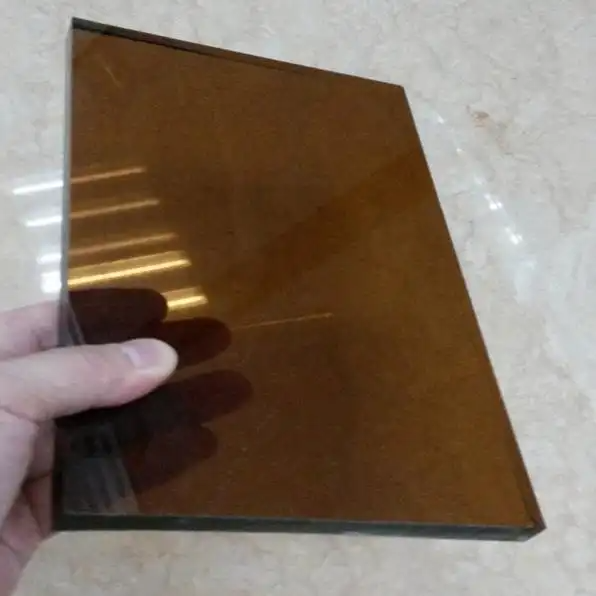
Configuration: Dark tinted glass (gray/blue) + 20A insulated + Low-E glass + thermal break aluminum window frame
Effect: SHGC ≈0.35-0.45, U-value ≤1.8 W/m²·K. It not only blocks summer heat waves but also retains indoor heat in winter through Low-E, complying with Australian AS2208 safety standards.
Configuration: Light tinted glass (light gray) + 16A double glazed glass + double silver Low-E
Effect: Visible light transmittance ≥60%, SHGC ≈0.5-0.6. Balances summer insulation and winter lighting, reducing annual energy consumption.
Configuration: Corrosion-resistant tinted glass (coated tinted glass) + laminated double glazed glass
Effect: Balances insulation, salt spray corrosion resistance, and storm impact resistance, complying with Australian marine-grade door and window standards.
Single tinted glass (not recommended for main lighting surfaces): Suitable for non-core areas such as garages and storage rooms, paired with ordinary aluminum window frames for basic insulation and cost-effectiveness.
Avoid using dark tinted glass alone (prone to insufficient lighting and heat accumulation); it is recommended to combine it with Low-E glass and insulated structures to maximize insulation and energy efficiency;
Choose colors based on regional climate: dark colors for high-temperature regions and light colors for regions with large temperature differences to balance insulation and lighting;
Comply with Australian AS2208 safety standards (e.g., tempered tinted glass to prevent breakage) and NatHERS energy rating requirements to ensure compliance.


