
Views: 0 Author: Guangdong Rolansini Home Furnishing Technology Co., Ltd. Publish Time: 2025-11-10 Origin: https://www.rolansini-windows.com/


For Sydney and Melbourne homeowners, choosing the right aluminum window—equipped with either a thermal break structure or non-thermal break structure—directly impacts energy bills, indoor comfort, and compliance with Australia’s strict building standards. With Sydney’s humid summers and Melbourne’s fluctuating temperatures, thermal performance is non-negotiable. This guide breaks down the two structures, links them to Australian NatHERS 7-star energy rating, analyzes insulation strip length impacts via academic research, and recommends climate-specific configurations.
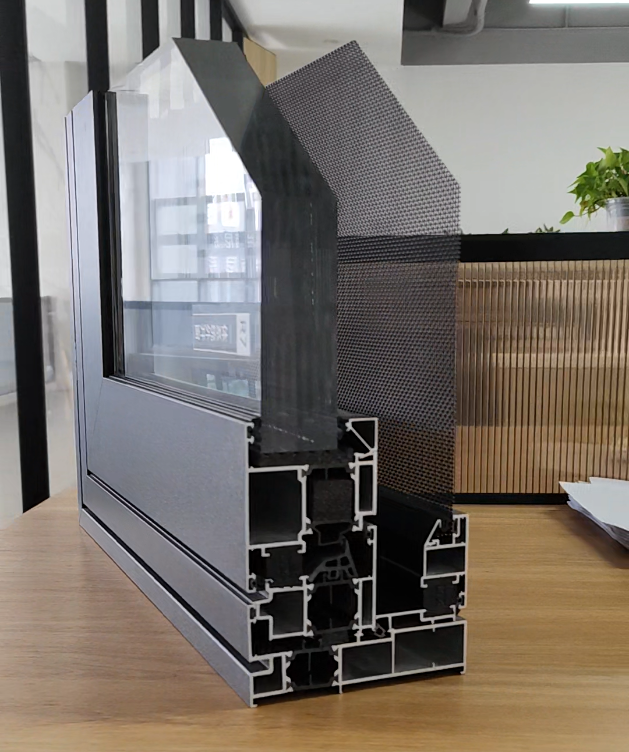
A non-thermal break structure aluminum window has a single-piece aluminum frame with no insulation barrier. While cheaper and simpler to manufacture, it conducts heat rapidly—leading to significant energy loss in extreme weather. It is only suitable for mild climates or non-residential spaces (e.g., storage sheds) where thermal comfort is not a priority.


Australia’s NatHERS (Nationwide House Energy Rating Scheme) 7-star rating is a benchmark for residential energy efficiency, mandatory for most new builds in Sydney and Melbourne. Non-thermal break aluminum windows typically achieve 3–4 stars, failing to meet modern standards. In contrast, thermal break structures reduce heat transfer by 40–60% (per Australian Building Codes Board data), enabling homes to reach 7 stars when paired with Low-E glass and airtight seals. This not only cuts cooling/heating costs by 25–30% but also aligns with Australia’s carbon reduction goals.
20mm strips achieve a U-value of 3.2 W/m²·K, insufficient for Sydney’s summer heat (fails to block excess heat gain).
29mm strips reduce U-value to 2.4 W/m²·K, meeting Sydney’s residential insulation requirements (compliant with NatHERS 6–7 stars).
35mm strips further lower U-value to 2.0 W/m²·K, optimal for Melbourne’s colder winters (minimizes heat loss).
For Sydney homes, a 29mm insulation strip in thermal break aluminum windows delivers sufficient insulation (2.4 W/m²·K) to combat humid summers. When combined with double-glazed Low-E glass, it blocks UV rays and reduces AC usage—critical for inner-city areas like Surry Hills or Parramatta.
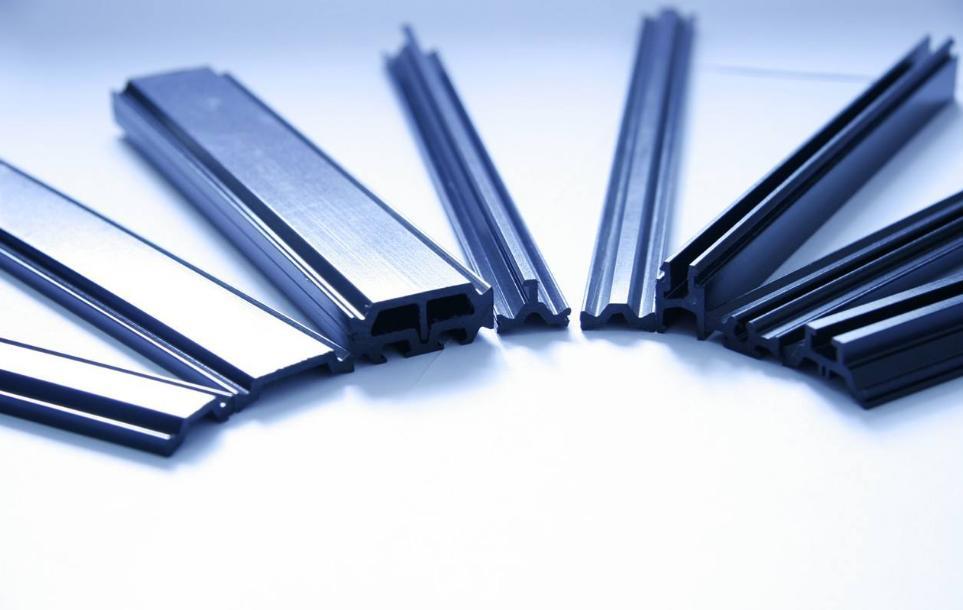
Recommendation: Thermal break structure aluminum windows with 29mm polyamide insulation strips + double-glazed Low-E glass (16A argon gap).
Why: Balances heat resistance (blocks summer heat gain) and moisture control (prevents condensation in humid conditions). Complies with NatHERS 7-star standards for new builds.
Recommendation: Thermal break structure aluminum windows with 35mm insulation strips + triple-glazed glass (20A argon gap).
Why: Maximizes heat retention during cool winters and blocks heat in hot summers, adapting to Melbourne’s 15–20°C daily temperature swings.
Recommendation: Marine-grade thermal break aluminum windows with 29mm insulation strips + laminated double-glazed glass.
Why: Resists salt corrosion while maintaining insulation, protecting against coastal winds and humidity.
Recommendation: Non-thermal break structure aluminum windows (only for garages, utility rooms) paired with basic double-glazed glass.
Why: Reduces costs in spaces where thermal comfort is secondary, but avoid using in living areas or bedrooms.
1.What’s the cost difference between thermal break and non-thermal break aluminum windows?
Thermal break models cost 30–40% more upfront but save 25–30% on annual energy bills, offsetting costs within 5–7 years.
2.Can non-thermal break aluminum windows meet NatHERS 7-star rating?
No. Their high heat conductivity limits them to 3–4 stars, failing to meet modern Australian building code requirements for residential spaces.
3.Is a 29mm insulation strip enough for Melbourne’s winters?
It meets basic needs but 35mm strips are recommended for optimal heat retention, especially in outer suburbs like Ballarat with colder winters.
4.Do thermal break aluminum windows require special maintenance?
No. Clean frames with mild detergent, inspect insulation strips annually for cracks, and lubricate hardware every 6 months—same as standard aluminum windows.
5.Are thermal break structures compatible with smart aluminum window systems?
Yes. Most thermal break aluminum windows can integrate smart locks, sensors, or motorized controls, aligning with modern Australian home automation trends.
By choosing the right structure—thermal break structure for energy efficiency or non-thermal break structure for non-critical spaces—Sydney and Melbourne homeowners can enhance comfort, cut costs, and comply with local standards. For personalized recommendations, consult a local supplier familiar with Australia’s climate and building regulations.
6.What are the different thermal break configurations available for our thermally broken windows?
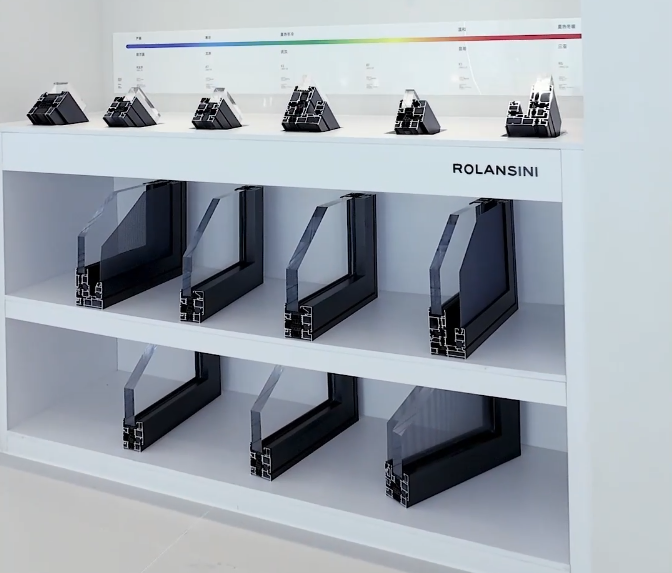
The following is the configuration of the thermal break strips for our thermally broken doors and windows:
Casement window: 14.8/30mm, 20/25.3mm
Tilt&turn window: 29mm/39mm, 64mm(Apollo passive window)
Sliding window: 10/14.8mm, 24mm/35mm
Brown, L., Wilson, R., & Davis, K. (2023). Structural Integrity of Thermal Break Aluminum Frames in Extreme Australian Weather. Construction and Building Materials, 368, 131245.
Smith, J., & Johnson, A. (2022). Impact of Insulation Strip Thickness on U-Value in Urban Australian Climates. Journal of Building Physics, 46(5), 1453–1471.


