
Views: 0 Author: Guangdong Rolansini Home Furnishing Technology Co., Ltd. Publish Time: 2025-08-19 Origin: https://www.rolansini-windows.com/


Casement windows have been a popular choice for centuries. But what makes them stand out in today's modern homes? In this article, we'll explain what a casement window is and why it's a top choice for many home improvement projects. You'll also learn about the benefits and design options these windows offer.
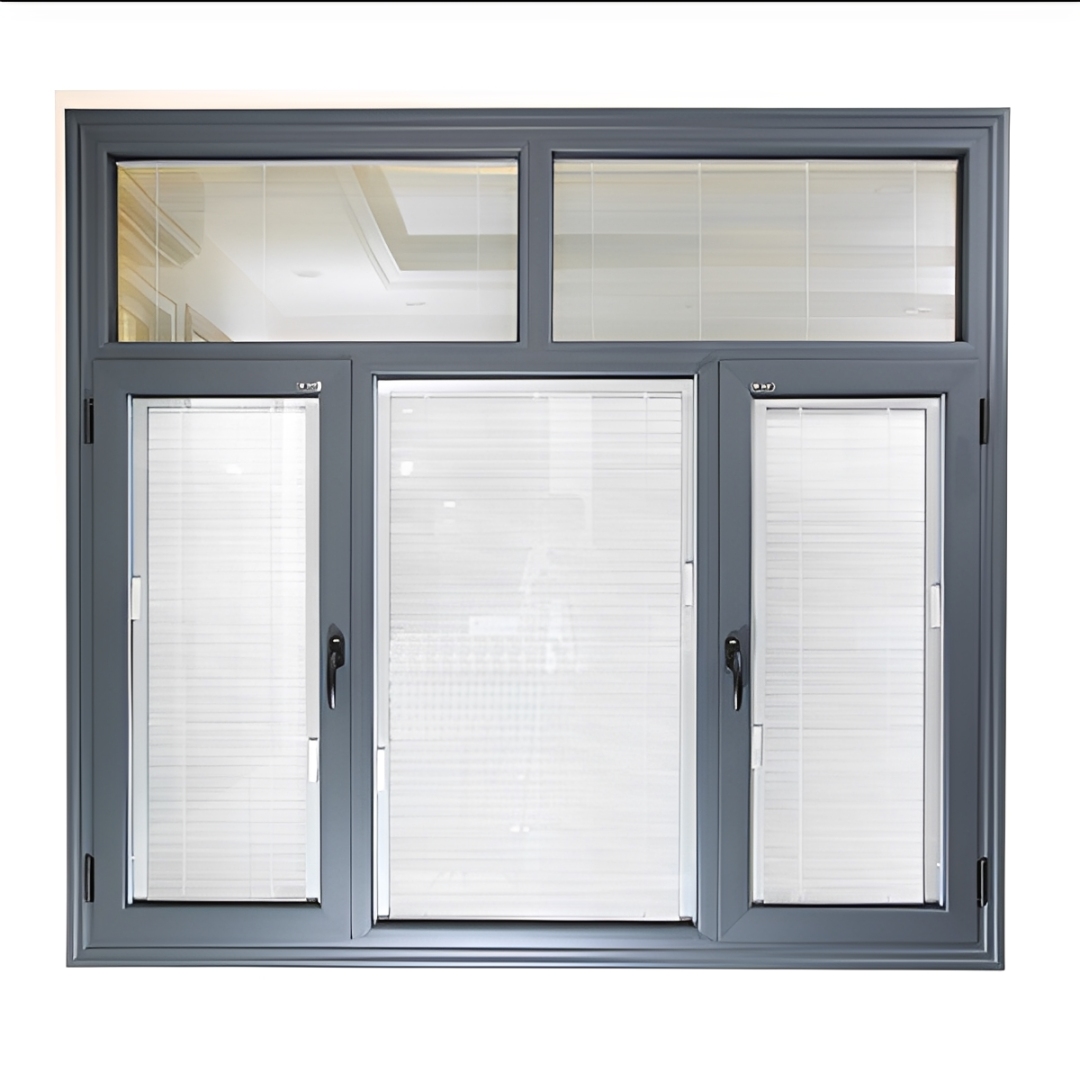
A casement window is a type of window that is hinged at the side, top, or bottom and opens outward. This design allows for a full, unobstructed opening, providing excellent airflow and natural light. Unlike sliding windows, which always block part of the frame, casement windows offer complete visibility when opened, making them ideal for creating an open, airy environment in any room.
Casement windows are hinged, which makes them easy to operate and secure. The most common configuration is the side-hung window, which is hinged at the side and swings outward. Another popular style is the top-hung (awning) window, which is hinged at the top and opens outward, offering protection from rain. For upper floors or areas where space is limited, the bottom-hung casement opens from the bottom and provides ventilation while ensuring safety. This versatility allows homeowners to choose the best option based on their space and needs.
Casement windows are incredibly popular because they offer a modern yet timeless design that fits well in both traditional and contemporary homes. One major benefit is their energy efficiency, as they close tightly to prevent drafts and enhance insulation. They also provide security through their sturdy locking mechanisms, making them more secure than some other window types. Additionally, casement windows are available in various materials, such as uPVC, timber, and aluminum, giving homeowners flexibility in design. This combination of functionality and aesthetics has made casement windows a go-to option for many homeowners.

Casement windows come in several types, each offering unique benefits depending on your home's needs and style preferences. Whether you're looking for excellent ventilation, a modern aesthetic, or added security, there's a casement window configuration for you. Here are the most common types:
The side-hung casement window is the most popular and widely used. Hinged on one side, it opens outward like a door. These windows are perfect for rooms where you need maximum airflow and an unobstructed view. The easy operation with a handle or crank is ideal for everyday use, especially in kitchens or living rooms. However, they require extra space to open fully and can be impacted by strong winds, as they swing outward.
Top-hung casement windows are hinged at the top and open outward, like an awning. This design is especially beneficial in areas with heavy rainfall because it prevents water from entering the room while allowing fresh air to circulate. Top-hung windows are commonly used in wet climates or upper floors, where opening them fully is less likely to cause an obstruction. They're perfect for bathrooms and kitchens, offering continuous ventilation without letting in rain.
French casement windows, also known as double casement windows, feature two panels hinged on opposite sides, opening outward. This configuration creates a wide, unobstructed opening, making it ideal for connecting indoor spaces with outdoor areas. Compared to side-hung casement windows, French casements offer a larger opening and better airflow, making them a popular choice for larger rooms or areas with expansive views.
Fixed casement windows are non-opening windows designed to allow natural light and provide an unobstructed view. Often found in configurations like bay windows, fixed casements enhance the overall appearance of a space while offering excellent insulation and security. These windows are ideal for areas where ventilation isn't necessary, like living rooms or dining rooms, but where light and aesthetics are still important.
Flush casement windows have a sleek, modern design where the window frame sits flush with the surrounding wall when closed. This design is favored for contemporary homes, offering a minimalist look. Flush casements often feature slim aluminum or uPVC frames and are perfect for those who prefer clean lines and a streamlined appearance.
Bottom-hung casement windows open from the bottom, tilting inward, and are often used in areas with limited space or where security is a priority. These windows are commonly installed in upper-floor rooms, such as apartments, as they allow for safe ventilation without fully opening. Their compact design is perfect for rooms where safety and ventilation are key but where a traditional outward-opening window may not be ideal.
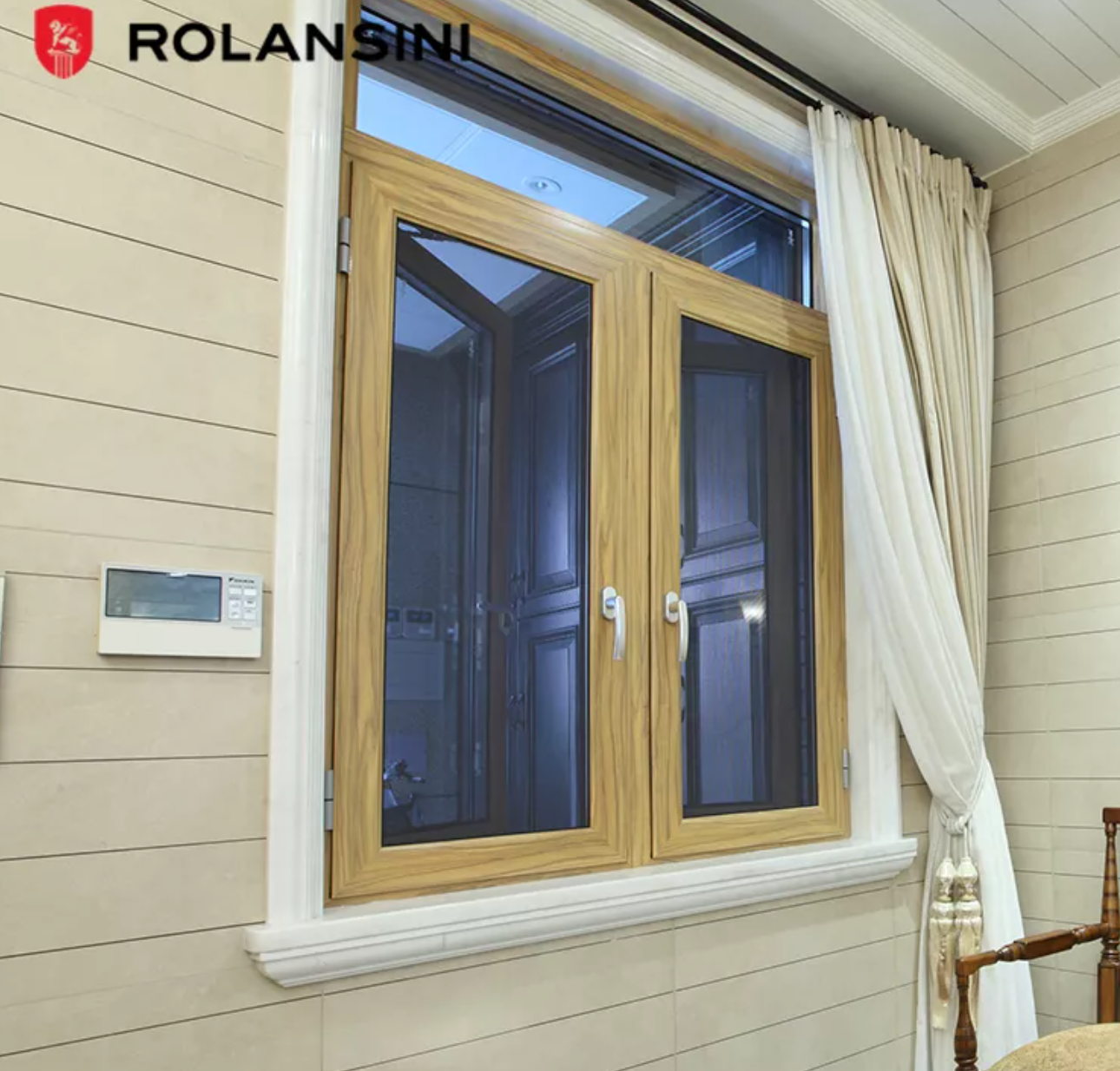
Casement windows are popular due to their versatility, security, and aesthetic value. They’re designed to provide excellent ventilation, a tight seal, and a modern look. Below are some of the key features that make casement windows stand out.
The window frame is the structure that holds the casement window securely in place. It's composed of a head, sill, and two jambs that run vertically along each side. The frame's role is to provide stability and keep the window functional for years. The sill is particularly important—it's slightly slanted to allow rainwater to flow outward, preventing it from entering the window's frame and causing potential water damage. A well-designed sill also keeps the building's structure safe by diverting water away from the window area.
The casement is the part of the window that swings open to allow ventilation. It holds the glass in place and is hinged at the side, top, or bottom, depending on the window type. Casements are available in different materials:
Mullions and transoms are critical for both structural integrity and design. A mullion is a vertical support that divides separate window units, particularly in larger windows, helping distribute weight and maintain stability. Transoms, on the other hand, are horizontal supports placed at the top of the window frame, separating different window units. While these features help in strengthening the window, they also add a visual element, breaking up the glass into smaller sections, which can be a distinctive part of both traditional and modern window designs.
One of the standout features of casement windows is their security. The locking mechanism of a casement window is typically integrated into the handle or frame. When the window is closed, it seals tightly, creating a secure barrier that's harder to force open compared to sliding or double-hung windows. This makes casement windows one of the safest choices for homes. The window handle can also include additional locking points for added protection, especially in high-security areas, making them a more secure choice over other window types. Casement windows' hinged design adds to their safety, as it's more difficult to break into them from the outside.

Casement windows are known for their excellent energy efficiency. When closed, they create a tight seal, preventing drafts and reducing heat loss. The window's design allows it to fit snugly within its frame, improving insulation compared to other types of windows, like sliding or double-hung windows. This tight seal helps maintain indoor temperatures, reducing heating and cooling costs.
When compared to sliding or double-hung windows, casement windows generally perform better in energy efficiency. Sliding windows tend to have gaps along the edges, which can let air seep through, while casement windows close tightly, offering superior weatherproofing.
Casement windows excel at providing ventilation. Since they open outward, they allow for maximum airflow, making them ideal for spaces that require constant air circulation. They are particularly suited for rooms like kitchens, bathrooms, or utility areas, where ventilation is crucial for controlling humidity and odors. By opening fully, casement windows allow fresh air to enter quickly, keeping your indoor environment fresh and breathable.
One of the major benefits of casement windows is their enhanced security. Unlike sliding or double-hung windows, which can be more easily forced open, casement windows lock securely into the frame, providing a much stronger barrier against unauthorized entry. Their locking system is built directly into the window's handle, making it difficult to tamper with from the outside. This makes casement windows an excellent choice for areas where security is a top priority, as the design makes them harder to break into.
These benefits make casement windows a smart and practical choice for homeowners looking to improve their home's energy efficiency, security, and overall comfort.
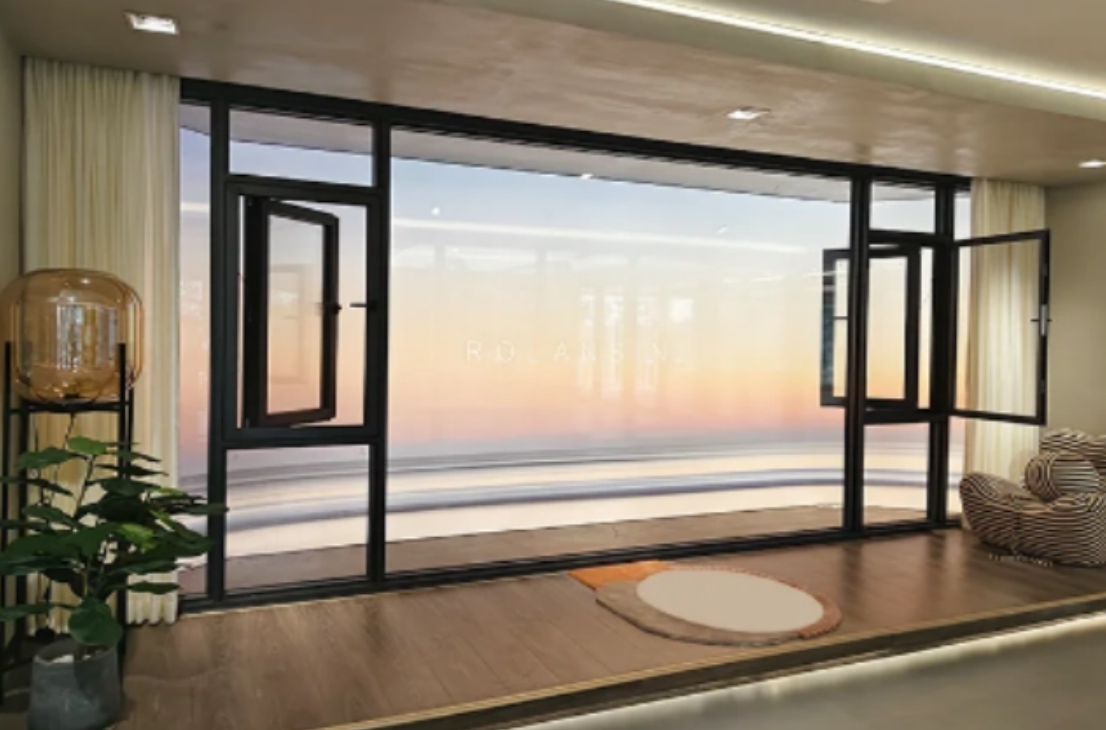
Before you choose a casement window, it's crucial to consider your home's specific needs. Climate plays a significant role; if you live in a wet or windy area, top-hung (awning) windows might be better, as they provide protection from rain while still allowing ventilation. The aesthetic of your home should also influence your choice. For a modern home, sleek aluminum casement windows may fit better, while traditional homes may benefit from the warmth of timber frames. Functionality is equally important: Think about the purpose of the room and how much airflow or light you need. For instance, kitchens and bathrooms require windows that can open fully to let in fresh air, while living rooms may prioritize design and natural light.
Different rooms in your home require different types of windows, and casement windows are versatile enough to suit various needs:
Casement windows offer numerous benefits, including energy efficiency, security, and versatility in design. With options like side-hung, top-hung, and French casement windows, there's a style to fit every home. For those seeking a window that combines excellent ventilation, modern aesthetics, and robust security, casement windows are an ideal choice. They are perfect for both traditional and contemporary homes, providing lasting value. Welcome to Rolansini Consulting Products!
A: Yes, casement windows are highly energy-efficient. Their tight seal minimizes air leakage, helping to maintain indoor temperatures and reduce energy bills.
A: Yes, top-hung (awning) casement windows are ideal for areas with heavy rain, as they allow ventilation while keeping rain out.
A: Yes, casement windows are relatively low-maintenance. Materials like uPVC and aluminum are durable and weather-resistant, requiring minimal upkeep. Timber frames may need periodic painting or sealing.
A: Yes, bottom-hung or hopper casement windows are ideal for upper floors in high-rise buildings as they provide safe, controlled ventilation.
A: Yes, due to their tight seal, casement windows provide better sound insulation compared to other window types, reducing noise from outside.


