
Views: 0 Author: Guangdong Rolansini Home Furnishing Technology Co., Ltd. Publish Time: 2025-10-22 Origin: https://www.rolansini-windows.com/


For Australian homeowners investing in high-end aluminum sliding doors, proper installation is as critical as the product itself. A sliding door—defined as a horizontal-gliding door with aluminum frames, double-glazed glass, and precision tracks—blends space efficiency with luxury, but its performance hinges on how well it’s fitted to your home’s structure. Below, we break down what a sliding door is, then detail installation steps for Australian most common building structures: double brick, timber frame, and brick-veneer timber frame.
A high-end aluminum sliding door is a premium door system where panels glide smoothly along reinforced tracks, crafted from corrosion-resistant 6063-T5 aluminum frames (ideal for Australia’s coastal humidity) and paired with double-glazed Low-E glass (for insulation). Designed to meet AS2047 standards (Australia’s mandatory door/window benchmark), it offers wind resistance (up to N6 for Sydney), water tightness, and durability—perfect for modern homes, villas, and luxury apartments. Its slim profiles maximize natural light, while thermal breaks reduce energy loss, aligning with Australian sustainability goals.

Whether your home is double brick, timber-framed, or a brick-veneer mix, the installation process varies to ensure a snug fit, weather resistance, and long-term performance. Here’s how to do it right:


Tools: Laser level, masonry drill, socket set, screwdriver, caulking gun.
Materials: Stainless steel expansion bolts, waterproof silicone sealant, shims, track mounting brackets.
Safety: Work gloves, safety glasses, dust mask (for drilling brick).
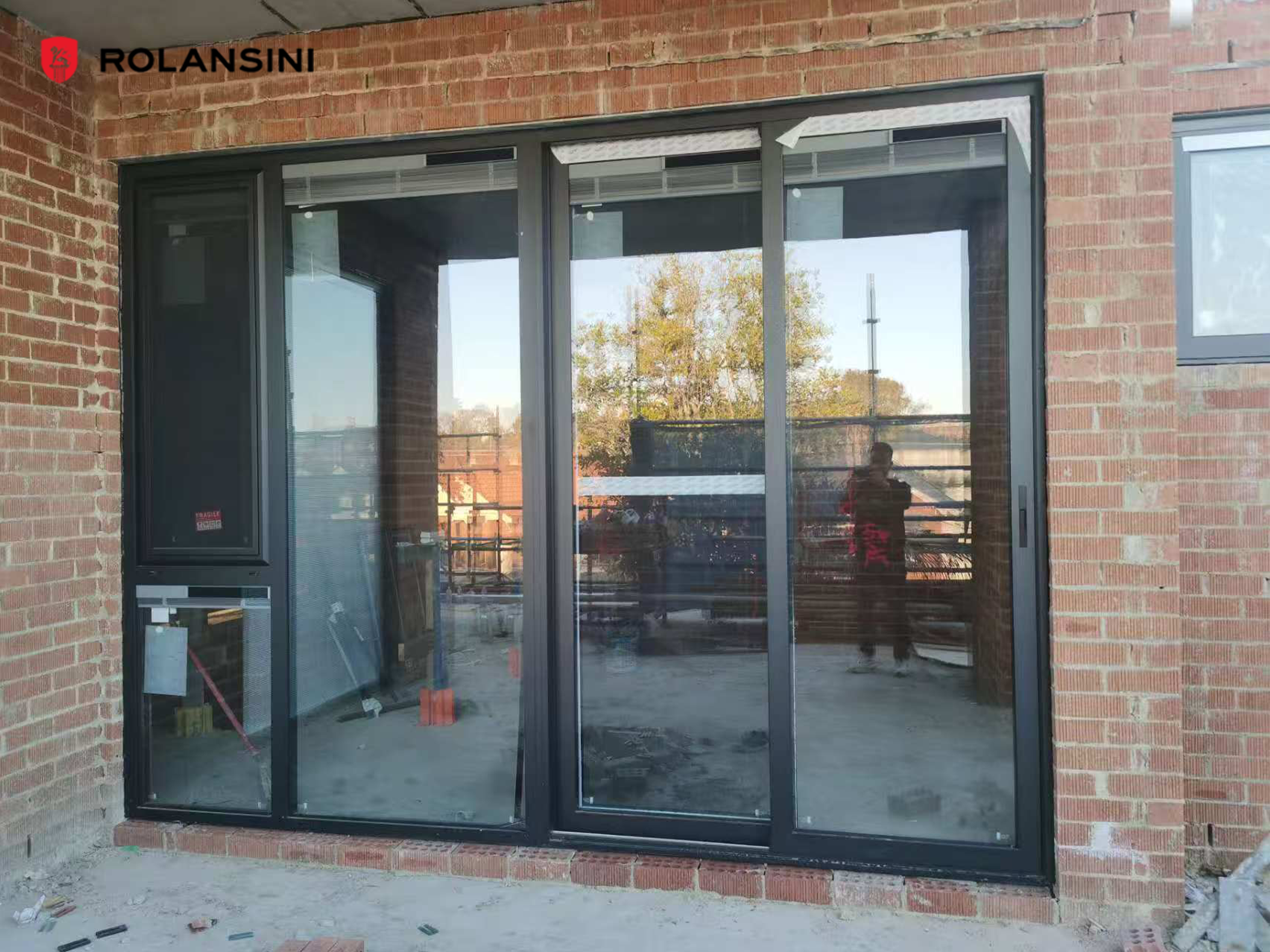
Measure & Prep the Opening: Verify the rough opening matches the door’s dimensions (allow 5-10mm clearance for adjustments). Clean debris and ensure the opening is square using a laser level—double brick walls often have minor shifts over time.
Mount the Track: Position the bottom track in the opening, level it with shims, and mark drill points. Use a masonry drill to create holes in the brick, insert wall anchors, then secure the track with expansion bolts (prevents loosening in brick).
Install the Frame: Lift the aluminum frame into place, aligning it with the track. Secure the frame to the brick walls using side brackets—drill into mortar joints (not bricks) to avoid cracking, then tighten bolts.
Level & Seal: Check frame alignment vertically and horizontally with a laser level; adjust with shims if needed. Apply waterproof silicone sealant between the frame and brick (critical for Sydney’s rain) to prevent leaks.
Fit Panels & Test: Slide panels into the track, install handles and locking mechanisms, then test gliding—should move smoothly without sticking.
Tools: Cordless drill, level, saw (for minor adjustments), pry bar.
Materials: Galvanized screws (prevents rust), timber shims, acrylic sealant, track clips.
Safety: Work gloves, goggles.
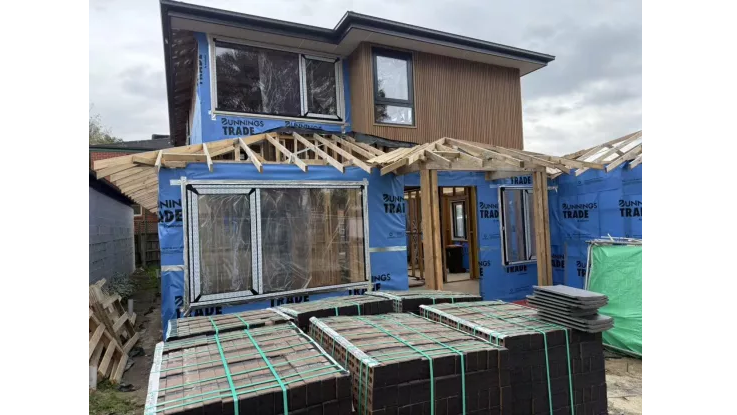
Prepare the Opening: Ensure the timber studs (vertical supports) are plumb and the header (top beam) is level. Trim any protruding timber with a saw to create a clean opening.
Secure the Track: Attach the bottom track to the timber floor using galvanized screws (space 300mm apart). Use shims under the track to level it—timber floors may warp slightly, so this step prevents uneven gliding.
Anchor the Frame: Lift the aluminum frame into the opening, bracing it with temporary supports. Drill pilot holes through the frame’s side flanges into the timber studs, then drive screws to secure (avoid over-tightening to prevent frame warping).
Seal & Insulate: Apply acrylic sealant around the frame-timber junction to block drafts and moisture. For energy efficiency, add foam insulation between the frame and studs (key for Sydney’s hot summers).
Install Panels: Slide panels into the track, adjust rollers for smooth movement, then attach hardware. Test locks and gliding to ensure functionality.
Tools: Combination of masonry drill (for brick) and cordless drill (for timber), level, caulking gun.
Materials: Mixed fasteners (expansion bolts for brick, galvanized screws for timber), hybrid sealant (bonds to both brick and timber), shims.
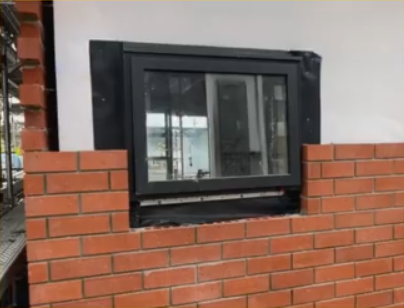
Assess the Structure: Brick-veneer walls have an outer brick layer and inner timber studs. Confirm the opening is square—check both brick veneer and timber framing for alignment.
Mount Track & Frame: Secure the bottom track to the timber subfloor with screws. For the frame: anchor the outer edges to the brick veneer using expansion bolts (drill through brick, not mortar), and inner edges to timber studs with screws.
Level & Adjust: Use shims between the frame and timber studs to ensure vertical alignment; check with a level. This balances the rigidity of brick and flexibility of timber.
Dual Sealing: Apply silicone sealant between the frame and brick (waterproofing) and acrylic sealant between the frame and timber (draft prevention). This hybrid approach handles Sydney’s coastal moisture and temperature swings.
Final Checks: Install panels, test gliding and locks, then trim excess sealant for a clean finish.
Investing time in proper installation transforms a sliding door from a fixture into a lasting upgrade—enhancing your home’s luxury, functionality, and value.


