
Views: 0 Author: Guangdong Rolansini Home Furnishing Technology Co., Ltd. Publish Time: 2025-10-30 Origin: https://www.rolansini-windows.com/


Awning windows are an essential element in modern architecture, providing ventilation, natural light, and aesthetic appeal. Proper installation is critical to ensure that the window performs optimally, remains airtight, and resists wind, water, and environmental stress over time. All windows shipped are pre-assembled with glass, applied sealing, and attached timber subframes, allowing for direct installation with minimal on-site assembly. This guide provides a comprehensive step-by-step procedure for installing awning windows, particularly in double brick wall structures, with attention to technical tolerances, material compatibility, and functional testing.
Installing an awning window may seem straightforward, but achieving long-term durability and performance requires careful planning and execution. A poorly installed window can result in air or water leakage, uneven operation, or premature wear on hardware components. By following a systematic approach—covering preparation, inspection, leveling, fixing, sealing, and post-installation testing—installers can ensure that the window meets both aesthetic and functional standards.
This guide emphasizes safety, proper tool selection, and adherence to technical standards. Whether for residential, commercial, or high-rise applications, following these steps will protect the window structure, maintain energy efficiency, and minimize future maintenance.
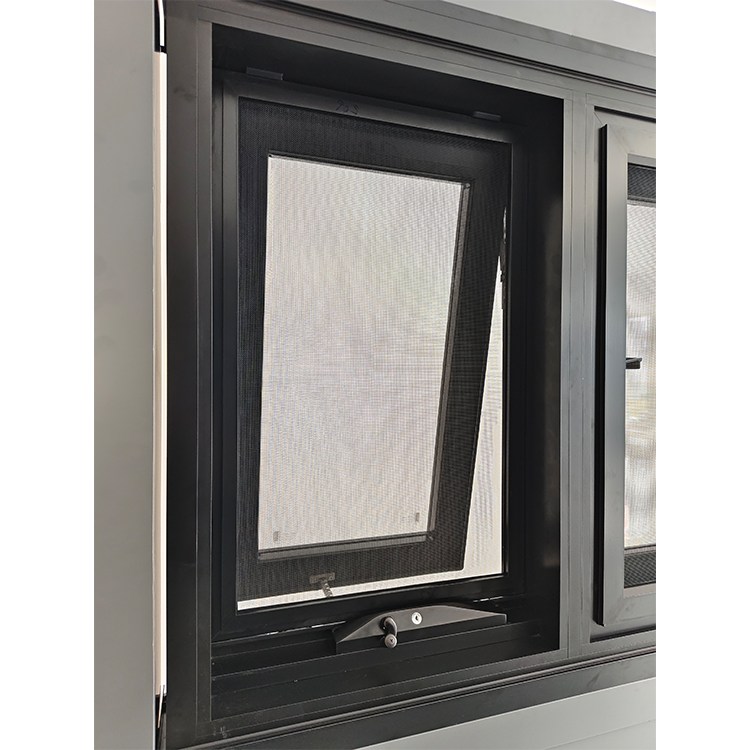
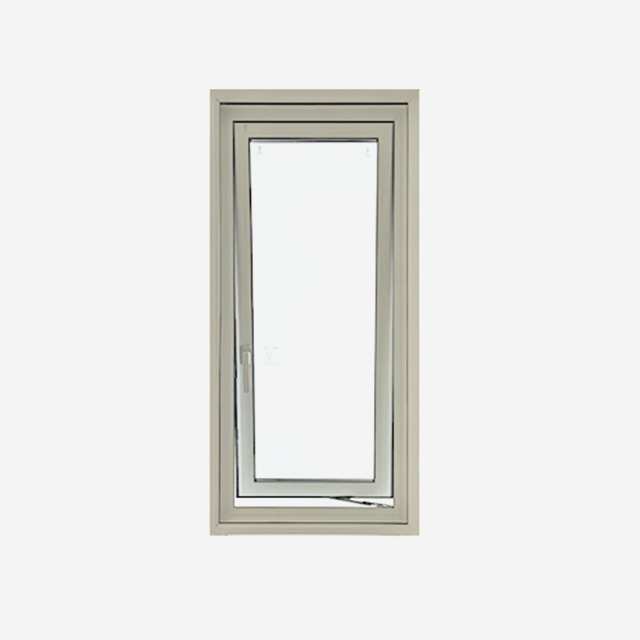
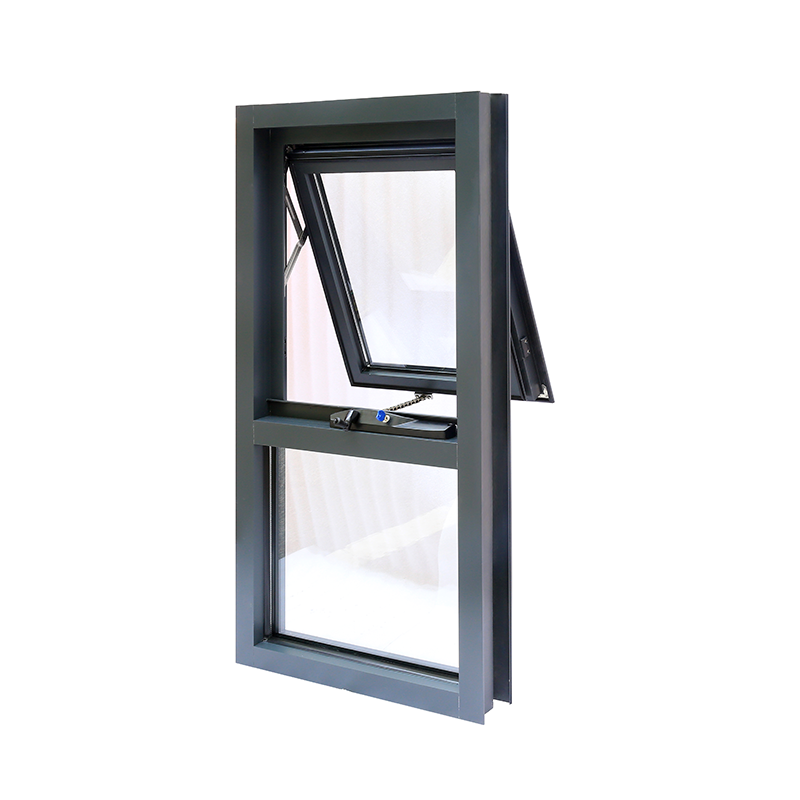
Proper preparation is the foundation of successful installation. Before bringing the window to the opening, ensure all materials and tools are ready:
Materials Required:
Finished awning window with pre-glazed glass and timber subframe
Specialized screws and nylon shims
Sealant and PU foam for gap filling
EPDM automotive-grade sealing strips
Hardware components: handles (German SIEGENIA)
Tools Required:
Electric drill with screw bits
Level and plumb line
Sealant gun
Silicone-based lubricant
Soft cloths for cleaning
Protective gloves and safety glasses
Preparation Tips:
Inspect the window packaging carefully before moving to the installation site.
Verify that all hardware and accessories are included and undamaged.
Ensure that the installation environment is clean and free of obstructions.
Before installation, a thorough inspection ensures that the window is in perfect condition and ready for precise placement.
Inspection Checklist:
Visual Inspection: Check for scratches, dents, or any damage on the frame surface. Protective film should remain intact.
Sealant Check: Verify that sealant around the glass is continuous and free of air bubbles.
Functional Test: Open and close the sash fully to confirm smooth operation.
Paper Test: Place an A4 sheet between the sash and frame; a properly sealed window will resist easy paper movement, indicating adequate airtightness.
Common Issues to Note:
Loose or missing screws
Misaligned sash
Incomplete sealant or air gaps
Correct positioning is critical for smooth operation and long-term durability.
Positioning Steps:
Place the window frame into the wall opening.
Use a level and plumb line to align the frame horizontally and vertically.
Insert nylon shims at the bottom to support the frame and prevent deformation.
Adjust until the frame is perfectly aligned within a tolerance of ±1mm per meter, with overall deviation not exceeding ±2mm.
Key Notes:
Avoid any direct pressure on the glass while leveling.
Expansion bolts should remain hidden from the exterior to maintain aesthetics.
Confirm that the sill slope allows proper drainage.

Measuring the horizontal and vertical dimensions of the window frame 1

Measuring the horizontal and vertical dimensions of the window frame 2
For Double Brick Structure:
Once the frame is level and aligned, it must be securely fixed and sealed.
Fixing Steps:
Attach the frame using self-tapping screws or expansion bolts at intervals of ≤35cm.
Ensure each side has at least three fixing points.
After fixing, fill the inner and outer gaps with PU foam, ensuring continuous and full contact.
Trim excess foam after curing to maintain neatness.
Apply sealant along perimeter joints for additional airtightness and watertight performance.
Sealing Tips:
Use high-quality silicone sealant compatible with aluminum and glass.
Ensure no air pockets remain, especially at corners.
Avoid overfilling gaps to prevent foam expansion from distorting the frame.
For Timber Structure:
Once the wooden subframe and awning window frame are level and aligned, secure fixing and proper sealing are critical to handle timber’s natural expansion/contraction and Sydney’s humidity.
Fixing Steps:
Attach the window frame to the wooden subframe using galvanized wood screws (5mm diameter, 30mm length) at intervals of ≤30cm—closer spacing accounts for timber’s slight movement.Ensure each vertical side has at least 4 fixing points (top, middle, bottom, and 1/3 from top) to distribute weight evenly.Pre-drill pilot holes (3mm diameter) in both the window frame and subframe to prevent timber splitting.Tighten screws until snug, leaving a 0.5mm gap between screw head and frame to allow minor expansion.
Sealing Tips:
Fill the 3-5mm gap between window frame and wooden subframe with low-expansion PU foam (compatible with timber) to avoid warping.Trim excess foam with a utility knife after 24-hour curing, leaving a 2mm recess for sealant.Apply paintable acrylic sealant (mold-resistant, suitable for wood and aluminum) along all perimeter joints, tooling it with a wet finger to ensure full adhesion—pay extra attention to corners where moisture may accumulate.Avoid over-tightening screws or overfilling gaps, as this can restrict timber movement and cause frame distortion over time.
After installation, perform a comprehensive inspection and functional test.
Functional Testing:
Horizontal Accuracy: Ensure deviation ≤3mm.
Wind Pressure Resistance: Apply pressure to sash corners; no looseness should be detected.
Drainage Test: Pour water onto the sill; check that drainage holes allow water to flow freely without accumulation.
Appearance Inspection:
Sealant must remain continuous, full, and free of air bubbles.
Frame surface should be free from scratches or damage.
Protective film should remain until interior finishing is complete.
Site Cleanup:
Remove old windows and construction debris.
Wipe the frame and glass with a soft cloth to remove dust.
Dispose of packaging and leftover materials properly to maintain a clean installation environment.
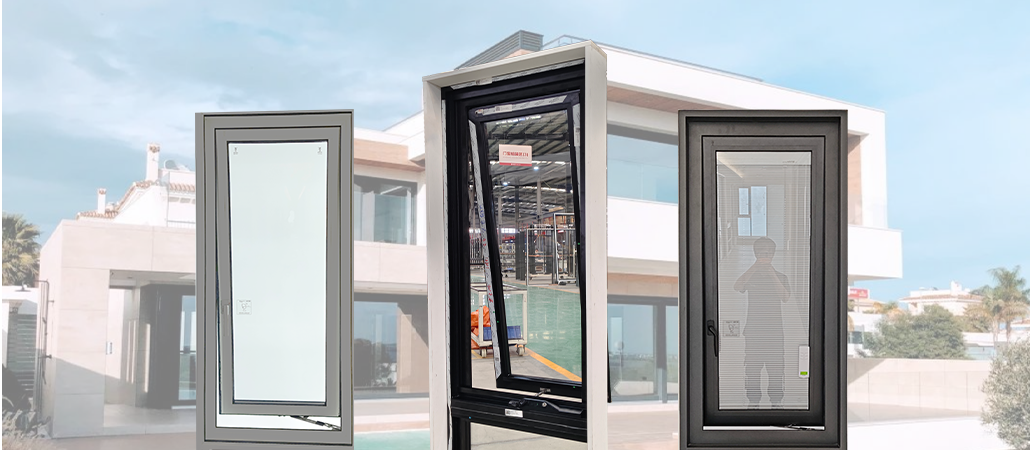
Retain protective film until interior decoration is complete.
Regularly check screws and fasteners for loosening.
Inspect drainage holes periodically to prevent clogging.
Apply silicone lubricant on hinges and handles every 6 months for smooth operation.
Perform a visual check of sealant and foam annually to detect cracks or shrinkage.
Please remove the protective film within 6 months to avoid adhesive residue remaining on the glass after removal.
Q1: How do I confirm that my window is properly sealed?
Perform the paper test: close the sash on an A4 sheet. If the paper resists movement, the seal is adequate. Also, inspect sealant lines for continuity.
Q2: How far apart should screws or expansion bolts be?
Spacing should be ≤35cm. Ensure at least three fixing points per side of the frame for stability.
Q3: How do I test drainage after installation?
Pour water onto the sill and observe that it flows through drainage holes freely. No water accumulation should occur.
Q4: Can I remove the protective film immediately after installation?
No. Leave the protective film until interior finishing is complete to avoid scratches or damage.
Q5: What should I do if the sash is stiff after installation?
Check alignment, ensure screws are not over-tightened, and lubricate hinges and handles with silicone lubricant. Retest until operation is smooth.
Installing an aluminum awning window is a precise process that requires attention to detail, correct use of tools, and adherence to technical standards. By carefully preparing materials, performing thorough inspections, leveling accurately, securing and sealing correctly, and conducting functional tests, you can ensure that the window operates efficiently and remains durable for many years. Following the recommended post-installation maintenance practices will further protect the window, maintain energy efficiency, and enhance overall comfort and safety in your space.


