
Views: 0 Author: Site Editor Publish Time: 2026-10-17 Origin: Site


Standard exterior doors frequently fail under dynamic wind loads and driving rain. These failures cause severe water infiltration, structural envelope breaches, and extensive interior damage. Architects and builders face immense pressure to secure building envelopes against unpredictable, extreme weather. We designed this evidence-based specification guide to help you evaluate weather resistance in exterior fenestration systems. You will discover the physics behind outswing mechanisms, the importance of structural rigidity, and how modern thresholds manage water intrusion. You will also learn which engineering metrics truly matter during procurement.
We must establish one critical truth first. No fenestration product remains entirely waterproof under extreme, prolonged severe storm conditions. Even the strongest engineered doors have functional limits when facing sustained hurricane-force winds. Therefore, proper product specification, professional installation, and intelligent architectural integration become essential. Relying solely on a door slab to fight the elements often leads to failure. Building a resilient entryway requires a comprehensive structural approach.
Outswing mechanisms inherently provide superior weather sealing because positive wind pressure forces the door tighter against its weatherstripping.
Verifiable performance requires checking Design Pressure (DP) ratings and regional compliance standards (e.g., specifying an AS2047 hinged door for Australian regulatory compliance).
Effective water management relies on a specialized threshold design, including integrated sill pans, weep systems, and continuous weather seals.
A thermal break hinged door prevents heat transfer while maintaining the structural rigidity required for high-wind deflection resistance.
Design Pressure (DP) ratings measure a structural capacity to withstand specific environmental forces. Engineers use these metrics to calculate precise wind load resistance. Positive DP indicates wind blowing directly against the building facade. Negative DP represents suction forces pulling outward from the structure. Water penetration limits tie directly into these DP ratings during laboratory testing. Technicians typically test water resistance at fifteen to twenty percent of the total structural DP limit. You must evaluate these numbers closely before approving any architectural specification. High DP ratings indicate superior internal reinforcement and robust sealing capabilities.
Local building codes dictate strict minimum performance baselines for exterior envelopes. Specifying an AS2047 hinged door guarantees tested performance against specific environmental stressors. Laboratories subject these engineered units to rigorous deflection tests. They measure operating force limits to ensure accessibility remains intact after stress. They also assess air and water infiltration rates using calibrated hydrostatic pressure chambers. Regional compliance standards protect your project from liability and catastrophic failure. They ensure the hardware performs under expected local stresses reliably.
Extreme weather events expose the true engineering limits of exterior doors. Standard exterior hinged units cannot withstand Category 5 hurricanes indefinitely. Driving rain pushed by extreme velocity winds eventually overcomes secondary seals. Water finds microscopic paths through capillary action. We must acknowledge these physical limitations transparently during the design phase. Architectural overhangs provide necessary first-line defenses against these forces. Deep porches reduce direct wind pressure significantly. They shield the primary entryway from torrential downpours, greatly extending the door's defensive lifespan.
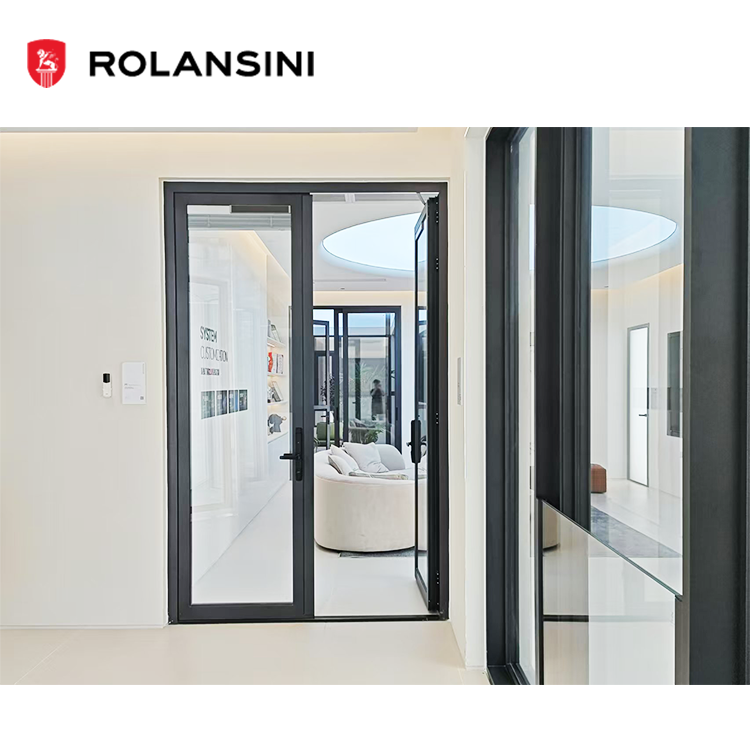
Outswing doors use nature to their architectural advantage. High winds push directly against the exterior slab surface. This kinetic force presses the door deeper into its rigid frame. It compresses the primary weather seals tightly along the entire perimeter. Engineers call this a positive pressure seal. You get superior weather defense naturally without relying on complex locking mechanisms. The harder the wind blows outside, the tighter the perimeter seal becomes inside. This physical dynamic makes outswing configurations ideal for coastal or high-exposure installations.
Inswing doors offer excellent operational ease for homeowners. You never have to worry about exterior snow blocking outward movement. However, wind forces push an inswing door away from its structural jamb. This outward action breaks the weather seal and creates dangerous infiltration gaps. Inswing designs rely entirely on advanced locking mechanisms to hold the slab tight. Installers must fit robust threshold sweeps to stop forced water entry along the bottom edge. These secondary defenses require frequent maintenance to remain effective against driving rain.
Choosing a patio hinged door requires careful spatial planning. Outswing models consume valuable exterior patio space when opened fully. Inswing models interfere with interior furniture layouts and walking paths. Snow loads complicate outswing functionality significantly in northern climates. Heavy winter snowdrifts can physically trap occupants inside the building. Local building codes also dictate strict emergency egress rules for residential and commercial structures. You must navigate these physical constraints carefully while maximizing weather defense.
Single deadbolts fail under intense environmental pressure. High wind bends the top and bottom corners of the door slab outward. Industry professionals call this structural failure corner deflection. Securing the door at three or more points prevents this dangerous warping. The locking mechanism engages heavy-duty hooks along the entire vertical jamb. It maintains a continuous compression seal under extreme high wind loads. You lock out moisture, drafts, and noise effectively. Multi-point systems also prevent long-term thermal bowing in extreme climates.
Glass often becomes the weakest link during severe storms. Flying debris easily shatters standard tempered panes upon impact. Laminated glass utilizes a highly durable polymer interlayer between the sheets. It holds broken glass shards together securely even after a catastrophic strike. Manufacturers use structural silicone glazing to bond the glass directly to the frame. This advanced technique maintains building envelope integrity if debris strikes the unit. Intact glazing prevents sudden internal pressurization, which can blow the roof off a structure.
A thermal break hinged door isolates internal and external surface temperatures effectively. A reinforced polyamide strip separates the inner and outer aluminum extrusions. It stops heat transfer and reduces interior condensation risks significantly. The rigid metal core resists physical warping under extreme aerodynamic pressure. You achieve high-wind deflection resistance alongside excellent operational energy efficiency.
Table 1: Core Material Comparison for Exterior Doors
| Material Type | Structural Rigidity | Thermal Resistance (Unbroken) | Deflection Under High Wind |
|---|---|---|---|
| Standard Aluminum | Excellent | Poor | Low Risk |
| Thermally Broken Aluminum | Excellent | High | Low Risk |
| Solid Wood | Moderate | Moderate | High Risk (Warping) |
| Fiberglass Composite | Good | High | Moderate Risk |
Properly engineered thresholds do not just block incoming water. They capture driven rain actively and manage its exit. The assembly channels moisture back outside away from the subfloor. It never relies solely on a single barrier seal for protection. Integrated sill pan flashing collects any bypassed moisture immediately. Weep holes then drain this trapped water safely exteriorly.
A high-performance weep system functions through a specific mechanical sequence:
Driving rain bypasses the primary exterior compression seal due to high wind pressure.
The integrated sloped sill pan captures the intruding moisture safely.
Gravity pulls the collected water toward the concealed drainage channels.
One-way weep valves allow water to exit while blocking reverse wind drafts.
Weatherstripping materials degrade significantly over time. UV exposure and aggressive thermal cycling destroy cheap foam quickly. Q-Lon weatherstripping offers superior physical memory and long-term elasticity. It rebounds to its original shape immediately after you open the door. High-quality EPDM compression seals resist permanent compression set. They stay highly pliable even in freezing winter temperatures. They maintain their tested sealing integrity for years without cracking.
A premium exterior hinged door fails easily if installed poorly. Framing must remain perfectly plumb, level, and square. Installers must apply contiguous rough-opening flashing to connect the unit to the house wrap. Any gaps in the sealant lines allow immediate water intrusion. Capillary action pulls moisture upward into unprotected wood framing. Professional installation experience matters immensely in high-wind and coastal environments. Proper execution mitigates long-term moisture risk entirely.
First, determine your specific site exposure levels accurately. You must match the physical hardware to the surrounding local environment. Consider the following environmental risk factors during specification:
Wind Velocity Zones: Does the project sit in a high-velocity hurricane zone (HVHZ)?
Corrosion Risk: Coastal regions require severe salt-spray corrosion mitigation for all metal hardware.
Thermal Extremes: Alpine climates demand maximum thermal breaks to prevent interior frost buildup.
Fire Danger: Wooded or arid areas demand specific bushfire ratings and non-combustible components.
Never trust basic marketing claims regarding severe weather performance. Demand physical testing documentation directly from the manufacturers. Review the actual independent laboratory reports carefully. Check the documented water penetration resistance thresholds. Verify the structural deflection limits under simulated hurricane loads. Evidence-based procurement protects your architectural specifications and reduces liability. Verified DP ratings provide the only reliable metric for long-term envelope survival.
Advanced weather-resistant systems carry a higher upfront premium. Impact-rated, thermally broken framing systems cost more to manufacture. However, they provide substantial long-term risk mitigation for the entire building. You prevent catastrophic interior water damage during severe seasonal storms. You also stop daily heating and cooling energy loss. High-quality engineered assemblies justify their initial premium through highly durable, maintenance-free performance. Avoid specifying cheap entry doors for high-exposure elevations.
True weather resistance requires a holistic engineering approach. It combines kinetic design advantages, like the outswing preference, with extreme structural rigidity. Multi-point locks and thermally broken frames create a highly defensible perimeter. Verifiable compliance guarantees the unit will survive expected regional stresses. Standard doors simply cannot manage the dynamic forces of a severe windstorm. You must specify engineered systems designed explicitly for high wind loads and driving rain.
We highly recommend consulting with certified structural engineers or specialized fenestration experts early in your project. They will help you match the door’s DP rating to your specific site exposure perfectly. Never guess when securing a building envelope against the elements.
Take action today by reviewing technical specification sheets carefully. Request actual DP testing data from your chosen manufacturers. Consult with a qualified installation team to ensure your rough openings are prepped correctly. Proper preparation guarantees your exterior doors will perform flawlessly when the next storm hits.
A: No. While outswing doors offer superior compression sealing against wind, improper installation, worn weatherstripping, or lacking a continuous sill pan can still lead to water infiltration under extreme conditions.
A: AS2047 is the mandatory minimum standard for windows and doors in Australia, ensuring the product has been scientifically tested to withstand specific regional wind loads and water penetration pressures.
A: Yes. Specifying a thermal break hinged door with laminated, impact-resistant insulated glass units (IGUs) provides both structural defense against windborne debris and high-level energy efficiency.
A: Depending on UV exposure and climate, perimeter seals and bottom sweeps generally require inspection every 3-5 years. Loss of material memory or visible cracking immediately degrades the door’s tested water and wind resistance limits.


