
Views: 0 Author: Site Editor Publish Time: 2026-10-09 Origin: Site


Aluminum sliding windows are reshaping how French homeowners approach renovation—combining slim sightlines, large glass areas, and thermal performance that now rivals PVC. But choosing the right aluminum sliding window in France means navigating strict insulation rules, subsidy requirements, and installation nuances that vary from apartment to house. This guide breaks it down into three parts: the current window landscape in France, how to select an aluminum sliding window for your project, and what to watch for when buying and installing one.
The French residential window market follows a clear pattern: PVC leads by volume, while aluminum is gaining ground by value. PVC windows account for roughly 65% of units sold and remain the go-to choice for budget-conscious households. In value terms, however, aluminum performs far better. In 2024, the French aluminum window and door market generated about €9.5 billion, with windows alone contributing €6 billion—making aluminum the number one window material by value.
Renovation demand is strong across France. About 50% of homeowners replace windows to improve thermal insulation, and 39% want to lower their energy bills. This trend is driving demand for high-performance aluminum sliding windows. Modern aluminum sliding windows use thermal break profiles and can achieve Uw values as low as 1.2 to 1.4 W/m²·K, putting them on par with PVC while keeping aluminum's signature advantage: slim frames and larger glass areas.
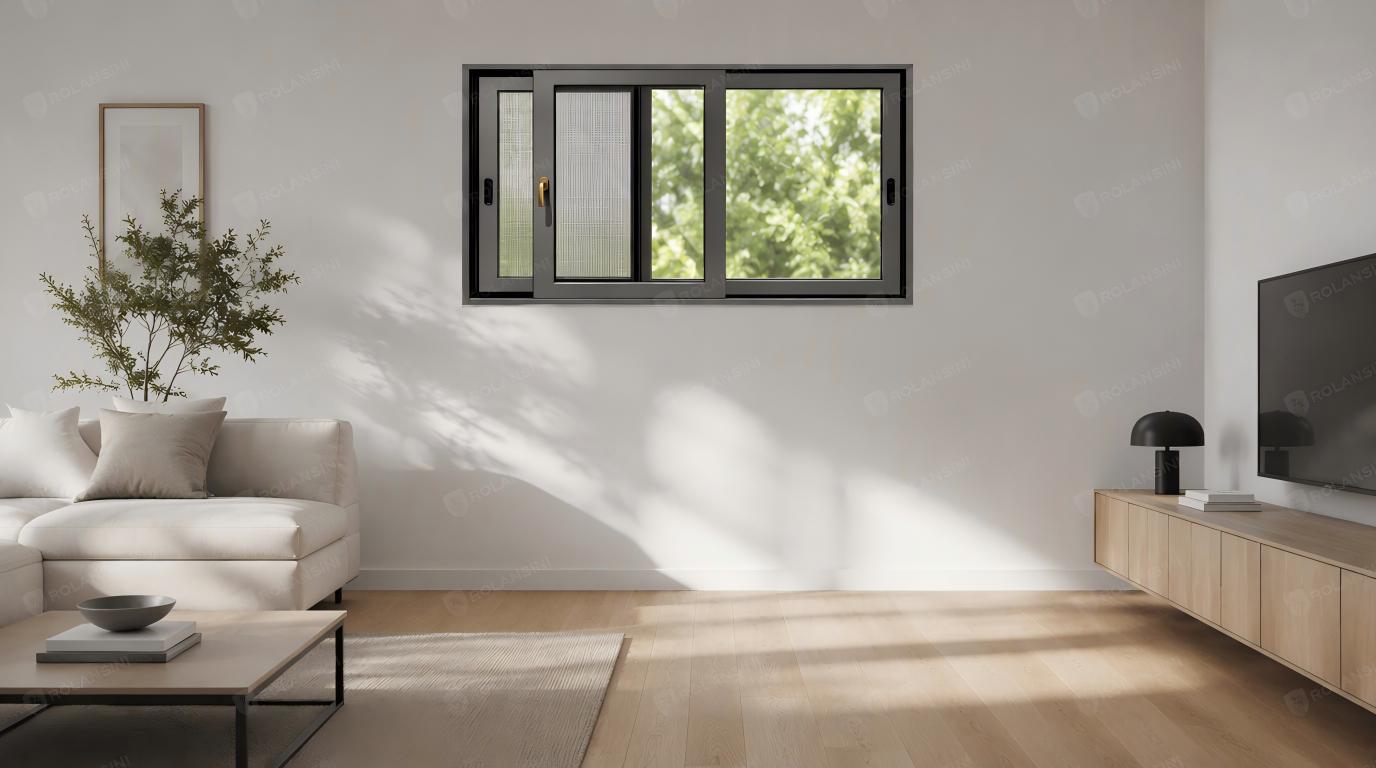
Start with the thermal break. French regulations require replacement windows to achieve a Uw of no more than 1.9 W/m²·K, while MaPrimeRénov' subsidies require 1.3 W/m²·K or lower. An aluminum sliding window without a thermal break will not meet these standards, so always confirm the profile has an integrated insulating barrier.
Next, consider size and opening type. The biggest advantage of an aluminum sliding window is its ability to go large. Two- and three-track systems can span 3 meters or more, making them ideal for connecting a living room to a garden. If space is tight, an aluminum sliding window takes up no room inside or out—the best solution for apartments and small layouts.
Then look at glazing. For most of France, double glazing with argon gas and warm-edge spacers is sufficient, with a Ug value around 1.0 to 1.1 W/m²·K. Triple glazing or acoustic laminated glass only makes sense in mountain areas or on noisy streets.
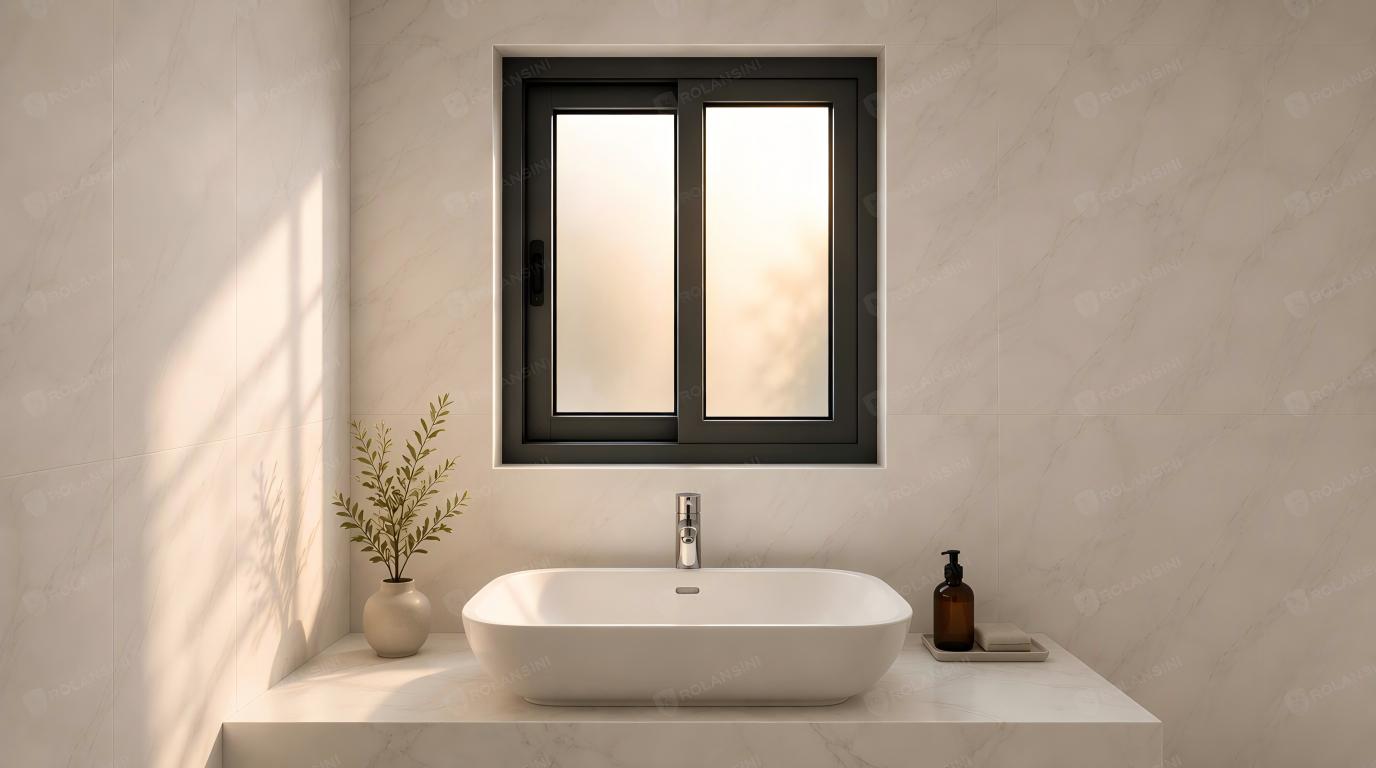
Before buying, verify certifications. The French market recognizes NF or Acotherm certification, with a minimum 10-year warranty. To qualify for subsidies, the installer must hold RGE certification. Note that subsidies only apply when single glazing is replaced with double or triple glazing—swapping one double-glazed unit for another does not qualify.
For installation, an aluminum sliding window can be fitted in two ways: renovation (keeping the existing frame, which costs less but slightly reduces glass area) or full removal (better performance but requires additional masonry work). Sliding windows offer slightly lower air and water tightness than casement windows, so confirm the product has passed EN 12207 and EN 12208 testing, and check that the track drainage holes are clear during installation.
Finally, if you live in an apartment, replacing an aluminum sliding window may affect the building's facade. You will need approval from the co-ownership association beforehand—otherwise you may be required to restore the original appearance, even at your own expense.


