
Views: 0 Author: Site Editor Publish Time: 2026-06-29 Origin: Site


Building or renovating in a tropical climate presents unique architectural challenges. Extreme humidity and intense sun test building materials daily. You must also prepare for severe seasonal storms. Standard windows often fail to manage these harsh weather conditions. They restrict airflow and trap heavy heat inside your living spaces. You need robust storm protection combined seamlessly and effectively against insect invasions. Proper specification transforms standard openings into high-performance climate barriers.
glass louver windows Queensland stand out as an exceptional passive cooling solution. We will move beyond simple aesthetics in this guide. You will discover a pragmatic framework for evaluating blade configurations. We also explore screening compatibility and long-term hardware durability. This knowledge ensures you make informed, confident architectural decisions.
Louver windows offer near 100% opening capacity, significantly outperforming sliding and awning windows for natural passive cooling in tropical climates.
Integrating an insect screen louver window system requires specific frame depths; retrofitting can be problematic without proper planning.
Privacy can be achieved without sacrificing airflow through strategic blade angles and obscure glass selections.
Not all frames survive coastal QLD conditions; specifying the right grade of coastal aluminum louver window is critical for warranty compliance and structural integrity.
Queensland experiences unique weather patterns demanding specialized architectural responses. High humidity persists throughout long summers. Seasonal storms bring sudden, driving rain and intense wind pressure. These factors dictate your window choices directly. Trapped indoor moisture leads rapidly to mold growth and structural degradation. Passive cooling requires maximum ventilation to pull stagnant air out of living spaces. Standard fixed or awning windows simply cannot exhaust hot air fast enough.
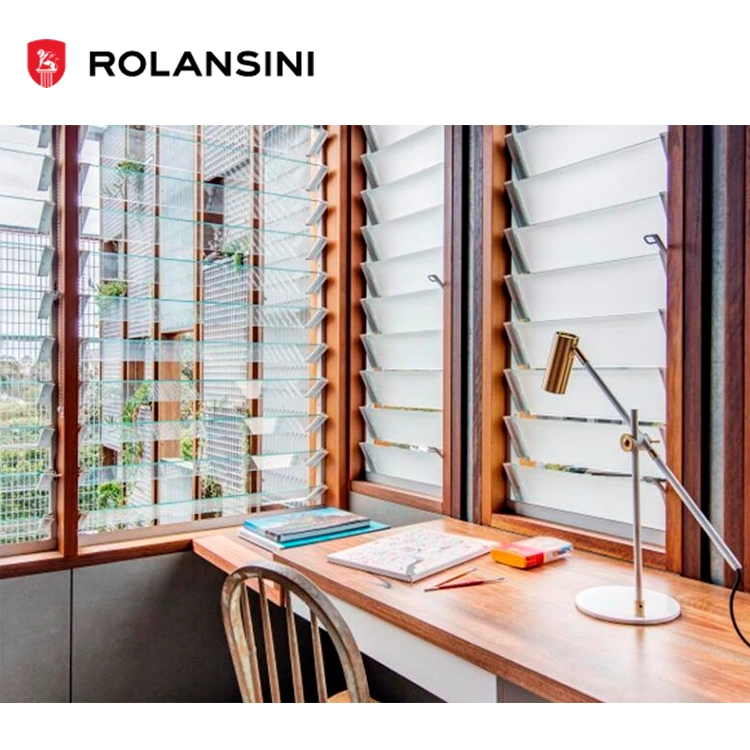
Evaluating residential window upgrades requires clear success criteria. Your primary goal is reducing reliance on mechanical air conditioning. High electricity consumption drives up household expenses. You must also maintain strict security and absolute weatherproofing. The right window selection balances open-air living against external threats. Modern construction demands solutions bridging these competing priorities efficiently.
Many homeowners express skepticism regarding louver sealing capabilities. Legacy louver designs often rattled during high winds. They leaked during heavy storms and allowed winter drafts. Modern engineering completely resolves these historical flaws. Contemporary frames feature advanced weather-stripping and precision-molded clips. Overlapping blade designs create a tight, highly compressed seal. When closed, modern louvers block wind and water just as effectively as standard casement windows.
Standard sliding windows physically block half the window opening. Awning windows deflect breezes downward, limiting fresh air circulation. Louvers deliver nearly 100% openable area. This massive structural advantage completely flushes hot air from interior rooms. A well-placed louver window ventilation system transforms stuffy corridors into breezy breezeways.
| Window Type | Maximum Openable Area | Ventilation Efficiency | Breeze Deflection |
|---|---|---|---|
| Glass Louver | ~95% - 100% | Excellent | Adjustable upward or downward |
| Sliding Glass | 50% | Moderate | Direct, but restricted volume |
| Awning Window | ~30% | Poor | Deflected downward only |
Adjustable blades capture and direct prevailing coastal breezes precisely. You can angle blades upward to push hot air out near ceilings. You can angle them downward to direct cool breezes onto seating areas. This directional control facilitates powerful cross-ventilation. Proper placement on opposite walls creates a natural vacuum effect. This draws fresh air rapidly through the entire house.
We must address thermal realities objectively. Louvers excel at passive cooling. However, single-glazed glass blades offer lower thermal retention during brief winter months. Heat escapes more easily through single panes. You can balance this year-round energy rating using low-E glass coatings. Low-emissivity glass reflects interior heat back inside during winter. It also blocks harsh solar radiation during summer. Always check the Window Energy Rating Scheme (WERS) to verify your specific configuration.
Modern suburban living often means homes sit tightly packed together. You must block lines of sight from neighboring properties or busy streets. Traditional windows force you to choose between privacy and airflow. Closing curtains blocks the breeze completely. Louvers solve this architectural dilemma beautifully. Angling the blades slightly upward physically blocks eye-level views from outside. Meanwhile, air continues flowing freely between the glass panels.
Selecting the correct blade material dictates your privacy level. privacy louver windows rely heavily on proper glass specification. Consider these primary options:
| Glass Finish | Privacy Level | Light Transmission | Best Application |
|---|---|---|---|
| Tinted Glass | Low (Night) / Medium (Day) | Reduces glare and heat | Living rooms facing bright sunlight |
| Frosted/Obscure | Maximum (Day and Night) | Diffuses light evenly | Bathrooms and ground-floor bedrooms |
| Satina Finish | High | Soft, elegant light | Street-facing facades requiring aesthetics |
Tinted glass reduces solar heat gain significantly. It offers excellent daytime privacy. However, tinted glass becomes transparent at night when interior lights turn on. Obscure or frosted glass provides maximum 24-hour privacy. The only trade-off involves restricting your own external views when the blades close completely.
We remain transparent about louver acoustic limitations. Multiple overlapping blades cannot soundproof a room as effectively as a solid double-glazed fixed window. Sound waves travel through the micro-gaps between the seals. Avoid placing louvers on walls directly facing busy arterial roads. If you must place them near noise sources, specify acoustic-rated glass. You will also need heavy-duty commercial seals to minimize noise penetration.
Mosquitoes and sandflies represent a constant reality in Queensland. Effective screening remains absolutely non-negotiable for any successful project. Unscreened openings invite swarms of insects at dusk. This renders natural ventilation useless during prime cooling hours. You must plan screen integration from the very beginning of your design phase.
You face two primary choices: inside-mount or outside-mount screens. Retrofitting aftermarket screens onto existing frames proves notoriously problematic. Blades often hit the mesh when fully opened. Proprietary frame systems resolve this clash entirely. They house both the glass gallery and the insect screen within a single, seamless channel. This ensures a flawless insect screen louver window installation. The blades open fully without snagging or pushing against the screen material.
Different environments require specific mesh solutions. Your choice impacts both insect protection and overall airflow.
Standard Fiberglass Mesh: Cost-effective and provides excellent airflow. Best for general suburban areas targeting regular mosquitoes.
Midge Mesh: Features a much tighter weave. Essential for coastal or mangrove-adjacent homes targeting tiny sandflies. Note that it slightly restricts natural breezes.
Stainless Steel Security Mesh: Combines insect protection with robust home security. Highly durable but requires thicker frame integration.
Consider long-term cleaning logistics before final installation. Glass blades accumulate dust, salt spray, and grime rapidly. You must clean both sides of the glass regularly. Proprietary systems allow quick, tool-free screen removal from the inside. This easy access makes washing your louver galleries safe and simple, even on second-story installations.
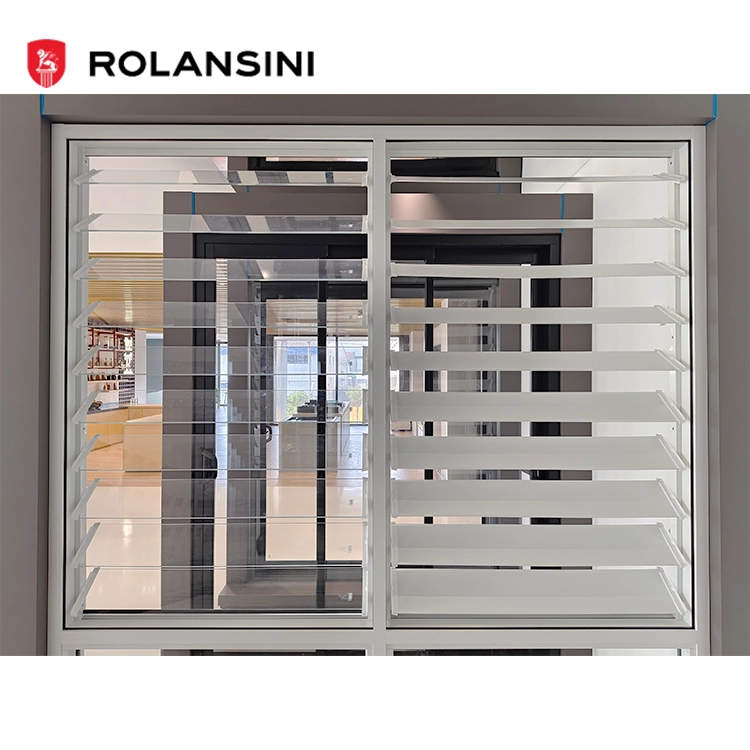
Coastal environments destroy standard building materials mercilessly. Airborne salt spray penetrates standard paint rapidly. This causes aluminum pitting and severe structural oxidation. Standard residential powder coating degrades within months on the Queensland coast. You must specify a marine-grade powder coating for any exterior framing. Products like Dulux Duratec offer extended protection against salt attack. Alternatively, choose deeply anodized finishes. A proper coastal aluminum louver window guarantees structural integrity and maintains your manufacturer warranty.
Extreme UV radiation breaks down cheap plastics quickly. The clips holding your glass blades must withstand intense daily sunlight. Specify UV-stabilized polymer clips to prevent embrittlement. Internal operating mechanisms must utilize non-corrosive metals. Cheap internal gears rust, seize up, and snap under pressure. Premium galleries use stainless steel or marine-grade brass internals to ensure decades of smooth operation.
Northern Queensland lies strictly within cyclonic building zones. Your window selection must comply with AS2047 standard requirements for wind loads. Windows must withstand massive sudden pressure spikes during severe weather. Blade width directly impacts structural strength. A 6mm thick glass blade spans shorter distances before bowing under pressure. Upgrading to a 9mm thick blade allows for wider galleries while exceeding cyclonic wind pressure ratings safely.
Approaching a supplier requires specific technical demands. Avoid accepting generic quotes. Protect your investment by verifying the following details:
Warranty Terms: Demand separate warranties for hardware, glass, and powder coating finishes.
WERS Ratings: Request certified documentation proving the system's thermal and solar heat gain performance.
Hardware Brands: Specify trusted, locally tested gallery systems like Breezway for guaranteed reliability.
Seal Quality: Confirm the inclusion of co-extruded weather seals specifically designed for high-wind areas.
Replacing existing sliding windows with louvers presents unique structural considerations. Traditional sliding window frames sit relatively flush within the wall cavity. Integrated louver systems require significantly deeper frame extrusions to house screens and rotating blades. You must evaluate your existing wall depth. Inadequate depth leads to unsightly architrave modifications. It may also push the window frame outside the protective eaves. Planning these structural details ensures a clean, architectural finish for glass louver windows for Queensland homes.
Start by measuring your existing rough openings accurately. Record the height, width, and existing frame depth. Photograph the outside facade to identify any structural overhangs. Prepare these details before booking an in-home consultation or visiting a showroom. Viewing physical profiles helps you understand blade operation and screen integration. Accurate site preparation guarantees precise quoting and eliminates costly mid-project variations.
Glass louver windows represent a brilliant investment for Queensland properties. They maximize passive cooling, lower energy bills, and dramatically improve interior comfort. Success relies entirely on careful specification. You must balance ventilation goals against privacy requirements. You must engineer insect screening natively into the frame design. Furthermore, surviving coastal environments demands marine-grade finishes and UV-stabilized hardware.
Take proactive control of your renovation or build. Request physical material samples from local suppliers. View full-scale structural profiles in a dedicated showroom. Book a professional site assessment to evaluate your wind loads and frame depths accurately. Proper planning today ensures decades of flawless performance.
A: Modern louver windows do not leak when specified and installed correctly. Contemporary designs utilize overlapping glass blades and tight co-extruded weather seals. They also incorporate integrated drainage channels within the aluminum framing. These channels route bulk water harmlessly outside, fully mitigating water ingress even during intense tropical downpours.
A: Yes, you can. Premium structural aluminum frames accommodate standard stainless steel security mesh easily. You must select an integrated frame system designed specifically to house both the blade gallery and the security screen. This ensures the glass blades open fully without striking the protective mesh.
A: Modern louver systems offer robust security features. They include integrated key locks built directly into the operating handles. Furthermore, specialized restrictor clips lock the glass blades firmly into the polymer brackets. This prevents intruders from sliding the glass out of the frame from the outside.
A: Maximum blade width depends entirely on glass thickness and local wind load requirements. Standard 6mm glass blades typically span up to 900mm. If you upgrade to 9mm thick glass, you can safely specify wider spans. Always consult AS2047 engineering charts to prevent blade bowing in cyclonic regions.


