
Views: 0 Author: Guangdong Rolansini Home Furnishing Technology Co., Ltd. Publish Time: 2025-11-07 Origin: https://www.rolansini-windows.com/


For Sydney and Melbourne homeowners, unwanted noise—from airport traffic (Sydney Kingsford Smith), busy arterial roads (Melbourne's Monash Freeway), or suburban construction—can disrupt daily life. When choosing aluminum windows (aluminum window), the right glass type—double glazed glass or laminated glass—and its configuration (e.g., air gap size, interlayer thickness) directly determine soundproofing performance. This guide breaks down glass options, uses academic research to validate soundproofing claims, and recommends tailored setups for bedrooms, living rooms, and more.
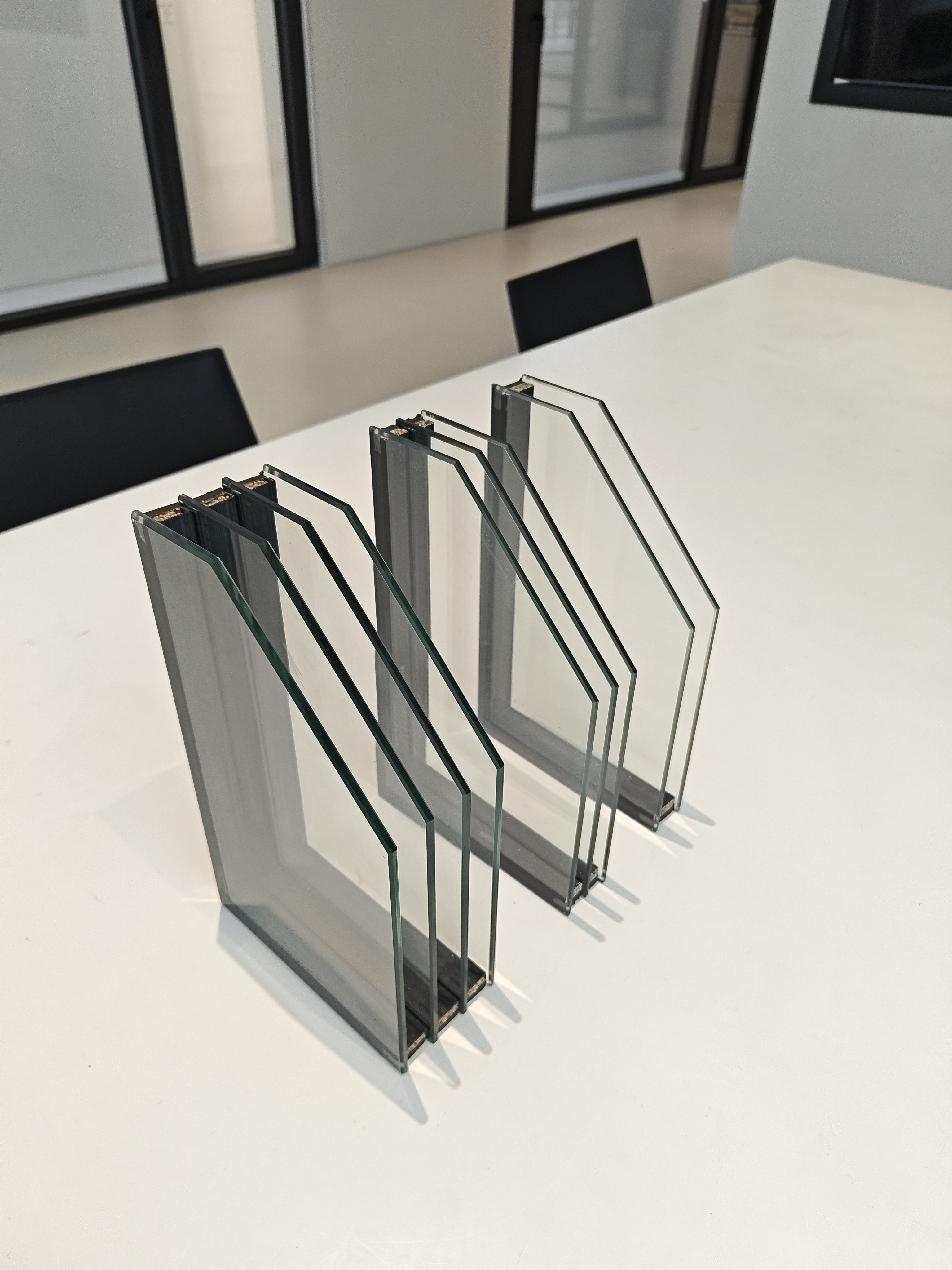
Laminated glass has a thin interlayer (typically PVB, polyvinyl butyral) bonded between two glass panes. The PVB layer absorbs sound waves—especially high-frequency noise like car horns or voices—and prevents glass shattering (a safety bonus for Sydney's coastal storms or Melbourne's hailstorms). It's often used alone for low-noise areas or combined with double glazing (laminated double glazed glass) for maximum soundproofing.
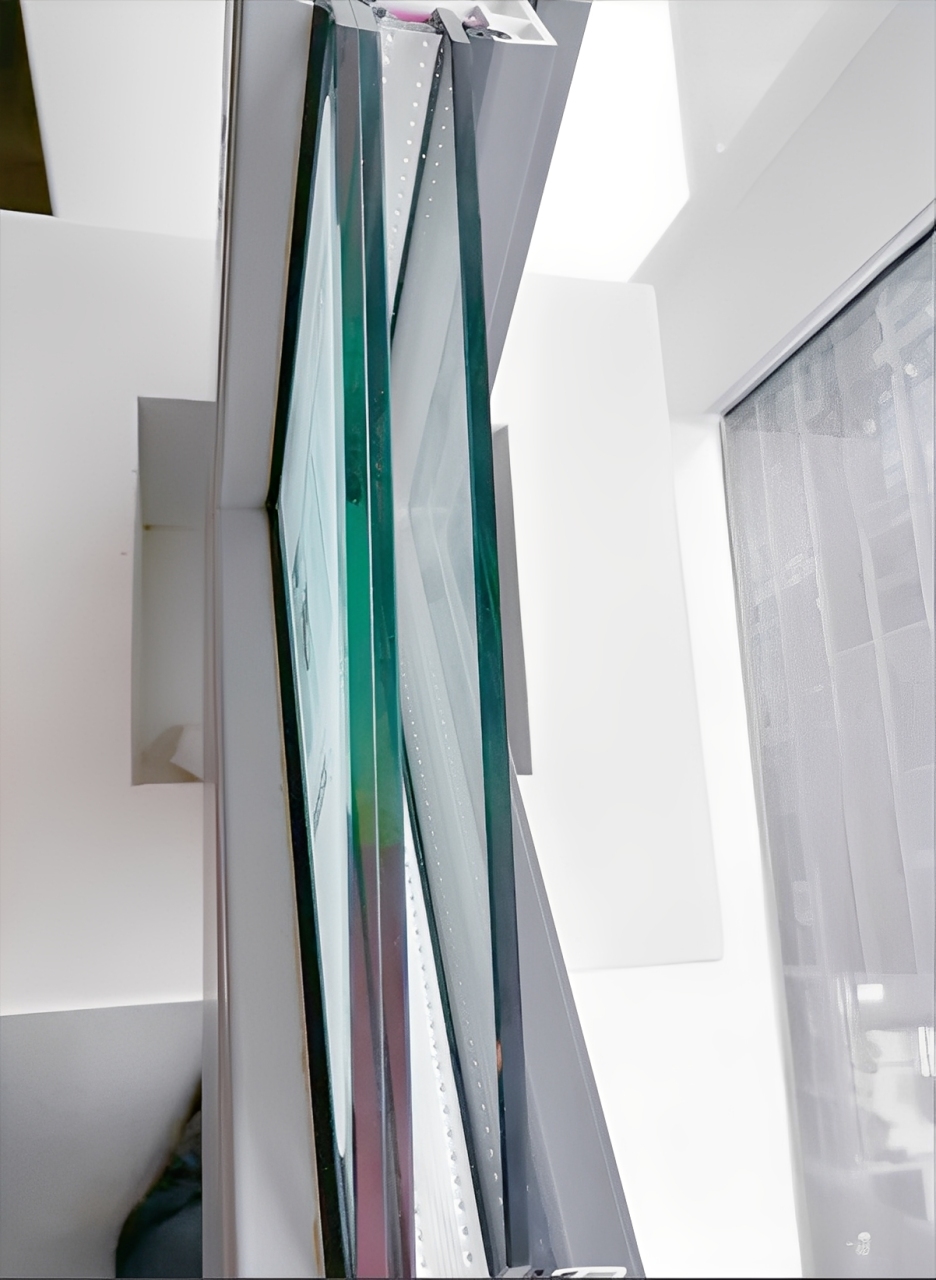
To answer: “Does laminated double glazed glass with a 20A gap meet Sydney/Melbourne’s 35dB urban soundproofing needs?”
we turn to peer-reviewed research in building acoustics.
A 12A gap (12mm air space) reduces noise by 28–32dB—insufficient for areas with heavy traffic.
A 16A gap boosts sound insulation to 30–34dB—marginal for meeting 35dB targets.
A 20A gap (20mm air space) achieves 32–36dB sound reduction. When paired with argon gas (instead of air), it adds 1–2dB more, reaching 33–38dB.
A 0.38mm PVB interlayer (standard) blocks 3–5dB more high-frequency noise than plain double glazing.
A 0.76mm PVB interlayer (thicker) adds another 2–3dB, making it ideal for Sydney airport proximity or Melbourne's Port Phillip Bay traffic.
Combining these findings: A laminated double glazed glass unit (0.76mm PVB + 20A argon gap) installed in an aluminum window with sealed frames delivers 35–40dB soundproofing. This exceeds the 35dB requirement for Sydney and Melbourne’s most noise-prone neighborhoods (e.g., Sydney's Mascot, Melbourne's Southbank).
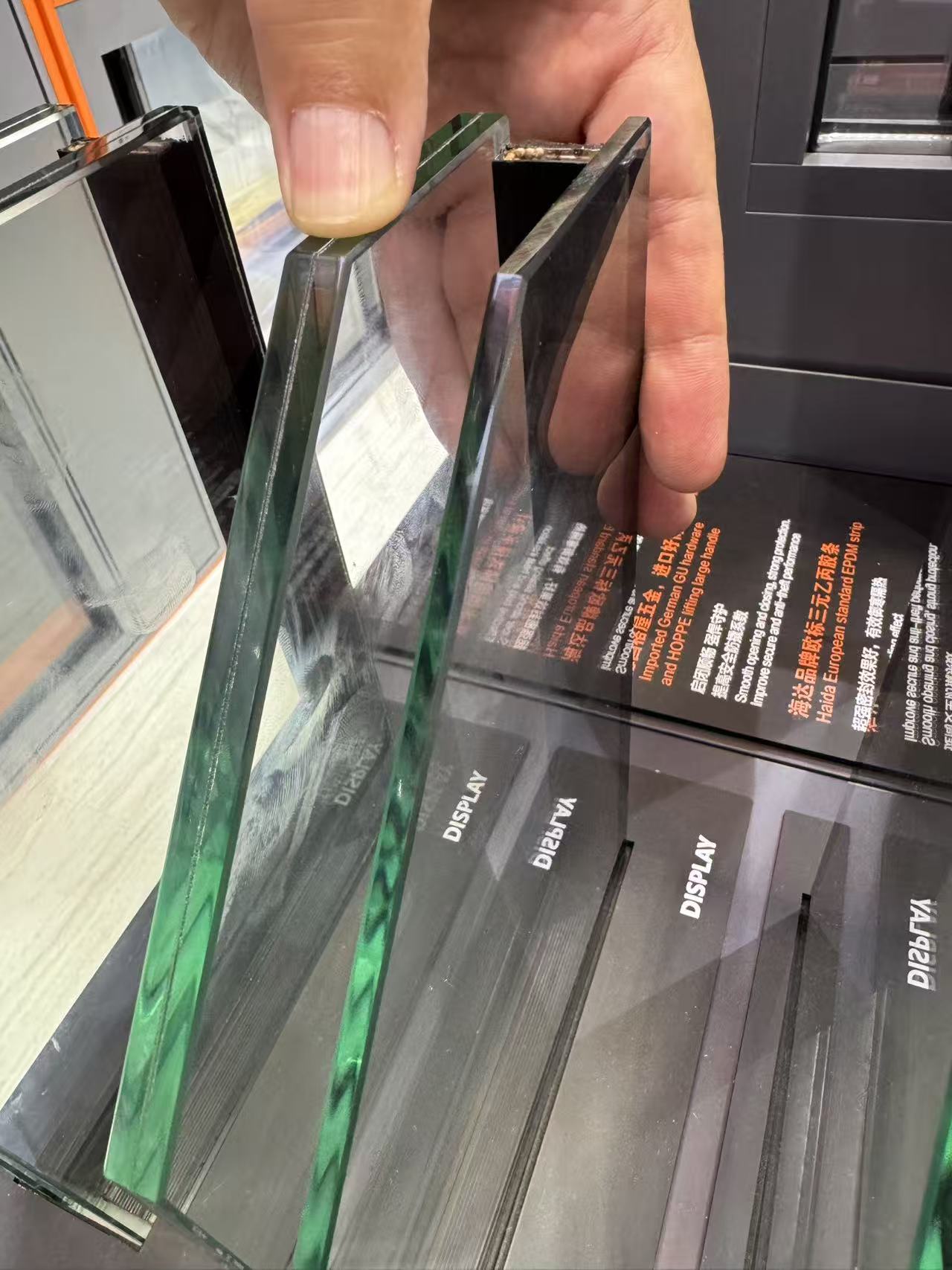
Why? Blocks 35–40dB, muffling nighttime traffic or airport noise. The argon gap also enhances thermal efficiency, reducing Sydney's summer AC bills.
Why? Delivers 30–35dB sound insulation —enough for suburban traffic (e.g., Sydney's Northern Beaches, Melbourne's Bayside). The slimmer PVB layer preserves light transmission.
Why? 28–34dB Sound insulation blocks neighbor noise, while double glazing prevents condensation (no mold growth).
Why? Laminated glass resists wind-borne debris, and the 20A gap blocks coastal wind noise (up to 38dB).
For high-noise areas (bedrooms, airport proximate homes): Laminated double glazed glass (0.76mm PVB + 20A argon gap) – it meets 35dB+ needs and aligns with Australian standards.
For moderate-noise areas (living rooms, suburbs): Double glazed glass (16A) or thin-laminated double glazed glass – balances comfort and cost.
Remember: Even the best glass fails without a well-sealed aluminum window frame. Choose local suppliers (familiar with Sydney/Melbourne’s climate) to ensure proper installation. With the right setup, you'l turn city noise into a distant hum—whether you're in a Sydney apartment or a Melbourne family home.
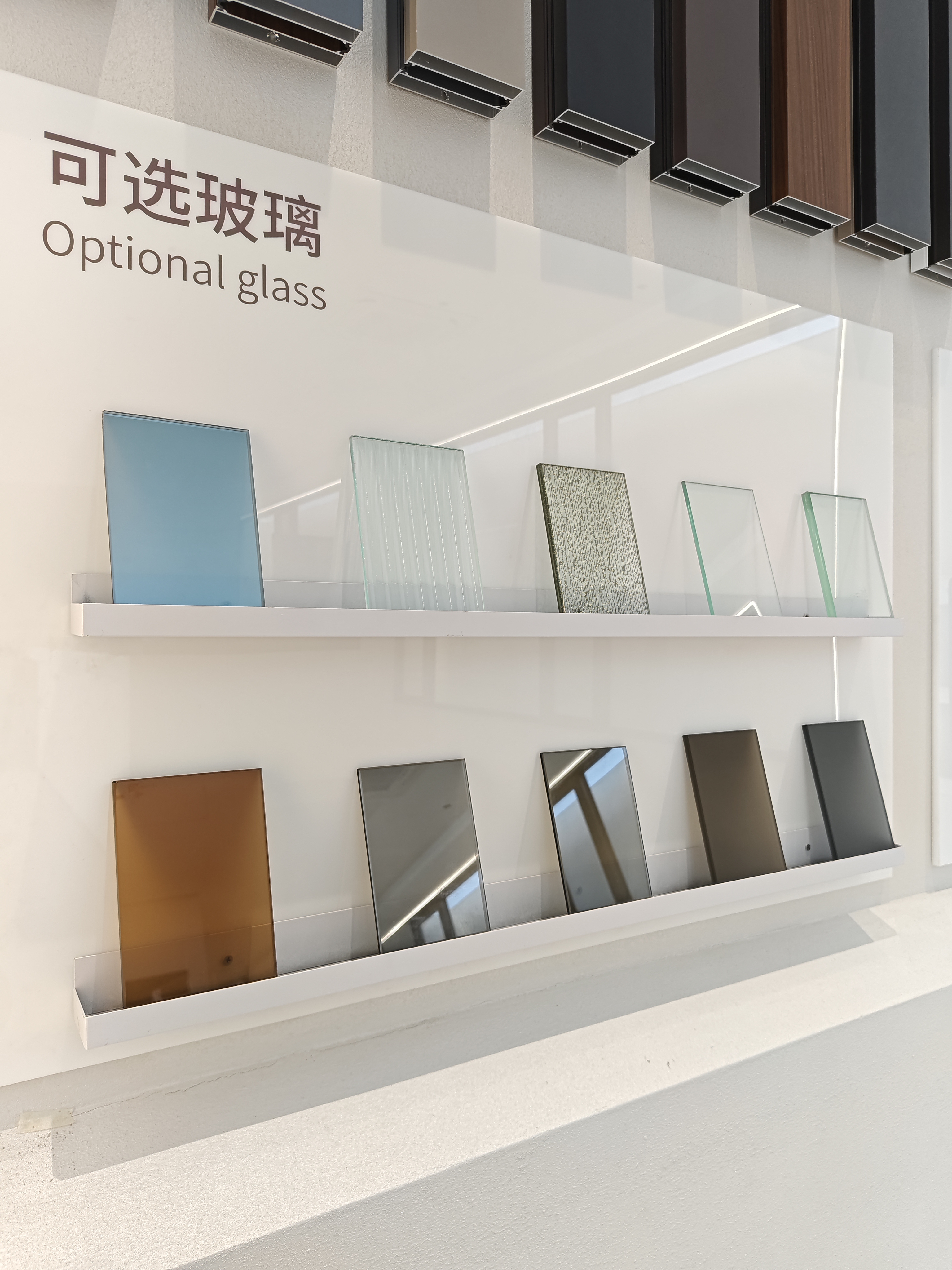
All recommended configurations meet AS 2047 (window performance), AS 2107 (acoustics), AS 2208 (safety glazing) and AS 4666 (Insulating glass units). Marine-grade setups for coastal areas (e.g., Sydney Eastern Suburbs) also adhere to corrosion-resistance standards .
2.What configurations does your laminated glass have?
Our laminated glass configurations include: 0.76mm PVB, 1.14mm PVB, 1.52mm PVB, 1.9mm PVB, 2.28mm PVB. The thicker the glass, the safer it is recommended to use a thicker laminated configuration
3.What maintenance is required for these aluminum window glass units?
Clean with mild, non-abrasive cleaners. Inspect seals annually to prevent air/water leakage. Lubricate aluminum window hardware every 6 months, and avoid high-pressure washers that damage seals .
Low-e coating enhances energy efficiency by reflecting UV rays and heat, reducing cooling costs in Sydney’s summers and heating needs in Melbourne’s winters. It pairs well with both glass types without compromising soundproofing.
5.How can I determine which type of glass is needed for the doors and windows of my house?
To determine the right glass for your home’s doors/windows, rely on Rolansini's professional guidance. With 18 years in high-end aluminum door/window manufacturing and over 20 completed projects across Australia, our expert custom designers provide tailored recommendations. They assess key factors like your location’s noise/climate (e.g., coastal salt resistance, urban soundproofing), functional needs (safety, energy efficiency), and compliance with Australian standards (AS 2047, AS 2107). Contact us for a free consultation to get the perfect glass solution.


