
Views: 0 Author: Guangdong Rolansini Home Furnishing Technology Co., Ltd. Publish Time: 2025-09-08 Origin: https://www.rolansini-windows.com/


Choosing the right windows for your home is a crucial decision that affects not only aesthetics but also insulation, durability, maintenance, and long-term value. Among the most common options available to homeowners today are aluminum and UPVC (unplasticized polyvinyl chloride) windows. Both offer distinct advantages, but they cater to different needs depending on climate, design preference, and performance expectations.
In this blog, we’ll compare aluminum and UPVC windows across various categories to help you make an informed decision — and explain why aluminum windows, particularly aluminum casement windows, are increasingly becoming the preferred option for modern homes.
UPVC is a type of rigid plastic often used in budget-friendly window frames. It is corrosion-resistant, does not rot, and provides good insulation. UPVC windows have become a popular option for residential properties due to their low cost and minimal maintenance needs.
Aluminum is a lightweight yet incredibly strong metal that can be powder-coated for a variety of finishes. It’s been used in construction for decades, and today’s aluminum windows are far more thermally efficient than earlier generations thanks to advances in thermal break technology and double or triple glazing compatibility.
UPVC frames tend to be thicker and bulkier due to their lower inherent strength. They come in a limited range of finishes and are often less suitable for modern or minimalist architectural designs. Color options may fade over time with extended UV exposure.
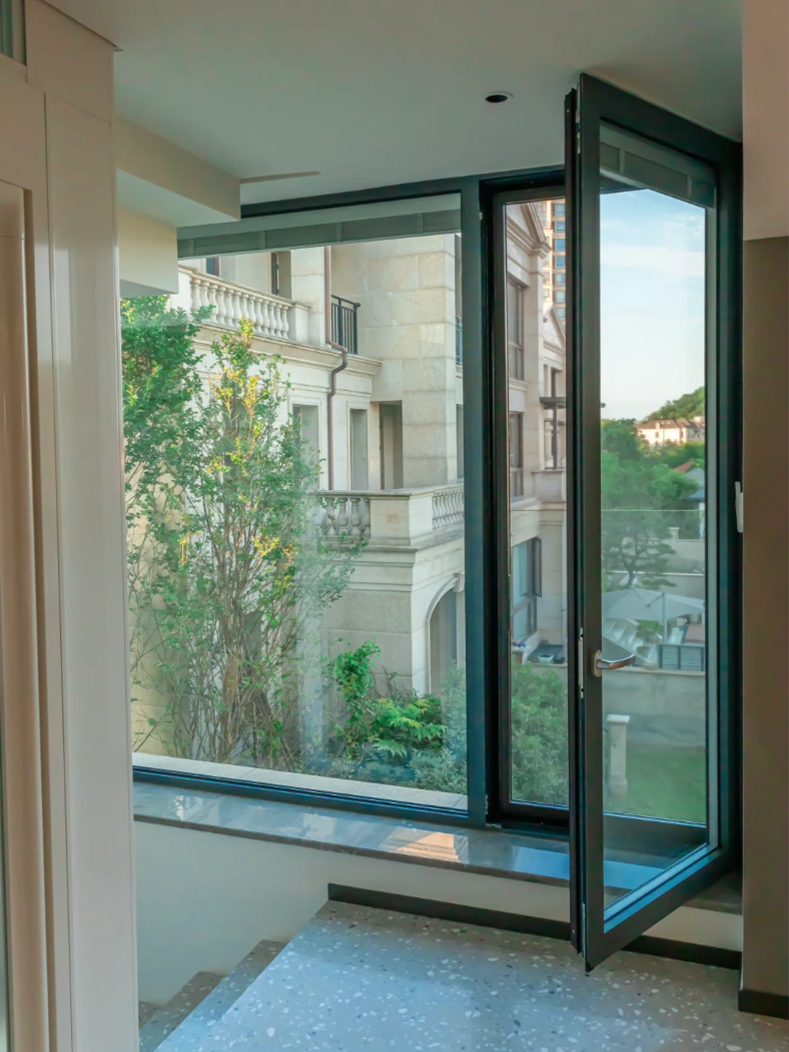
One of the standout features of aluminum windows is their slim profile. The high strength-to-weight ratio of aluminum allows for narrower frames and larger glass areas, making them ideal for maximizing natural light and scenic views. Aluminum can also be custom powder-coated in almost any color and finish, including matte, gloss, woodgrain, and anodized effects — making it the go-to choice for high-end modern designs.
While UPVC does not rust or rot, it is still plastic — which means it can warp, crack, or become brittle over time, especially in hot or cold climates. Prolonged exposure to the sun can cause yellowing or fading, particularly in cheaper variants. The typical lifespan of UPVC windows is around 20–25 years.
Aluminum windows are incredibly durable and have a service life of 30 years or more with minimal maintenance. They do not warp, crack, or degrade under extreme weather. Thanks to surface treatments such as anodizing or powder-coating, aluminum resists corrosion even in coastal or high-humidity environments — making it the preferred material for tropical, marine, and rainy climates
UPVC is a poor conductor of heat, which gives it good thermal insulation properties by default. It helps in maintaining indoor temperatures and reducing energy costs. However, poor installation or inferior quality profiles can lead to air gaps and compromise performance.
Modern aluminum windows now incorporate thermal breaks — insulating barriers made of polyamide or polyurethane that separate the inner and outer aluminum profiles. Combined with multi-pane glazing and quality seals, this enables aluminum windows to perform just as well, if not better, than UPVC in thermal insulation. Additionally, the rigidity of aluminum enhances acoustic insulation when combined with proper glass systems, making them effective in noisy urban settings.
UPVC requires little maintenance; just occasional cleaning is enough. However, if the frame becomes damaged or discolored, it's difficult to repair without replacing the entire unit.
Aluminum windows require very little upkeep. Occasional cleaning with soap and water is sufficient to keep the frames looking new. Unlike UPVC, aluminum doesn’t fade, discolor, or degrade over time. Scratches on powder-coated surfaces can often be repaired or touched up easily, making them a practical long-term solution.
 6. Environmental Sustainability
While some modern UPVC windows can be recycled, the material is still petroleum-based and not biodegradable. Its production involves harmful chemicals and emits carbon dioxide, making its environmental footprint relatively high.
Aluminum is one of the most environmentally friendly building materials available. It is 100% recyclable and retains its properties indefinitely. In fact, recycled aluminum requires only 5% of the energy needed to produce new aluminum, making it a sustainable choice for eco-conscious homeowners.
Aluminum casement windows are especially well-suited for a variety of challenging climates:
Hot climates:
In regions with intense heat and prolonged sun exposure, such as desert or arid zones, aluminum remains dimensionally stable. It does not warp, swell, or crack like wood or some plastics, even when subjected to extreme temperatures. This ensures a reliable seal and consistent window performance throughout the hottest months. Additionally, modern aluminum windows can be paired with low-emissivity (Low-E) glass and thermal breaks to minimize solar heat gain, keeping interiors cooler and reducing air conditioning costs.
Tropical and coastal regions:
Aluminum, especially when treated with powder coating or anodization, offers excellent resistance to corrosion caused by high humidity, salt spray, and heavy rainfall. This makes it an ideal option for beachfront properties, islands, or regions prone to monsoons and storms. Casement designs further enhance ventilation, helping to reduce indoor humidity buildup in tropical climates.
Cold and snowy regions:
In colder climates, thermally broken aluminum casement windows outperform many traditional alternatives. The thermal break—an insulating barrier between the inner and outer frames—greatly reduces heat transfer, helping to maintain indoor warmth and improve overall energy efficiency. These features make aluminum windows compliant with energy-saving building codes even in regions with harsh winters and freezing temperatures.
UPVC is generally cheaper up front, which appeals to homeowners on a tight budget. However, the long-term performance, potential replacement needs, and limited lifespan may lead to higher total costs over time.
While aluminum windows may come at a higher initial cost, they offer exceptional long-term value due to their durability, minimal maintenance, superior aesthetics, and performance. For homeowners looking for a future-proof investment, aluminum is often the smarter choice.
To summarize, here are a few reasons why aluminum windows — especially aluminum casement windows — are the superior choice for discerning homeowners and architects:
Sleek, modern look with slim sightlines
Highly durable and weather-resistant
Long lifespan with minimal upkeep
Advanced insulation (thermal and acoustic)
Excellent for large windows and panoramic views
Environmentally sustainable
Ideal for challenging environments: coastal, humid, or urban
Whether you're building a modern home or renovating an older property, aluminum windows deliver unmatched performance and beauty — making them not just a practical solution, but also a design statement.
If you're considering upgrading your home with premium aluminum windows, particularly aluminum casement windows, it's essential to choose a manufacturer known for precision, performance, and style.
Rolansini Windows specializes in high-quality aluminum window systems that combine elegant design with superior engineering. From energy efficiency to custom finishes, Rolansini delivers solutions that meet the demands of today’s modern homes and climates. Whether you're in a coastal region or a bustling city, their products are built to perform — and to impress.
To explore more about their aluminum window offerings or request a quote, visit www.rolansini-windows.com today.


