
Views: 0 Author: Guangdong Rolansini Home Furnishing Technology Co., Ltd. Publish Time: 2025-08-25 Origin: https://www.rolansini-windows.com/


In today’s architecture and home design, aluminum windows are becoming the gold standard for builders, designers, and homeowners seeking durability without sacrificing aesthetics. As cities grow and climates change, the need for windows that deliver on both performance and style has never been more urgent. Whether it's a modern home overlooking the coast, a high-rise in a bustling city, or a family house in a temperate region, aluminum windows consistently prove to be the superior choice.
One of the primary reasons aluminum windows continue to gain popularity is their exceptional structural strength and long-term durability. Unlike wood, which can rot or warp, or uPVC, which may become brittle over time, aluminum maintains its integrity even under harsh environmental conditions. It doesn’t warp, crack, swell, or shrink when exposed to fluctuating temperatures or high levels of moisture, making it one of the most stable materials for window frames.
This is especially important in regions that experience:
Intense heat (e.g., desert or tropical climates): Aluminum can withstand high UV exposure and scorching temperatures without fading or softening, unlike plastic-based materials.
Heavy rainfall or high humidity (e.g., coastal areas): It’s naturally corrosion-resistant, especially when anodized or powder-coated, making it ideal for resisting rust and salt-laden air.
Severe cold or snow (e.g., alpine regions): It does not become brittle or crack in freezing temperatures, and modern thermal break technology improves insulation for better energy efficiency.
Moreover, aluminum has a high strength-to-weight ratio, which allows manufacturers to design slimmer frames without sacrificing performance. These narrow profiles can hold larger, heavier glass panes, enabling panoramic views and maximizing natural daylight. The clean lines and sleek look of aluminum also make it an excellent choice for modern and minimalist architectural styles.
Thanks to these characteristics, aluminum windows are particularly suitable for high-rise buildings, large-format residential designs, and any project that demands both visual elegance and structural integrity.
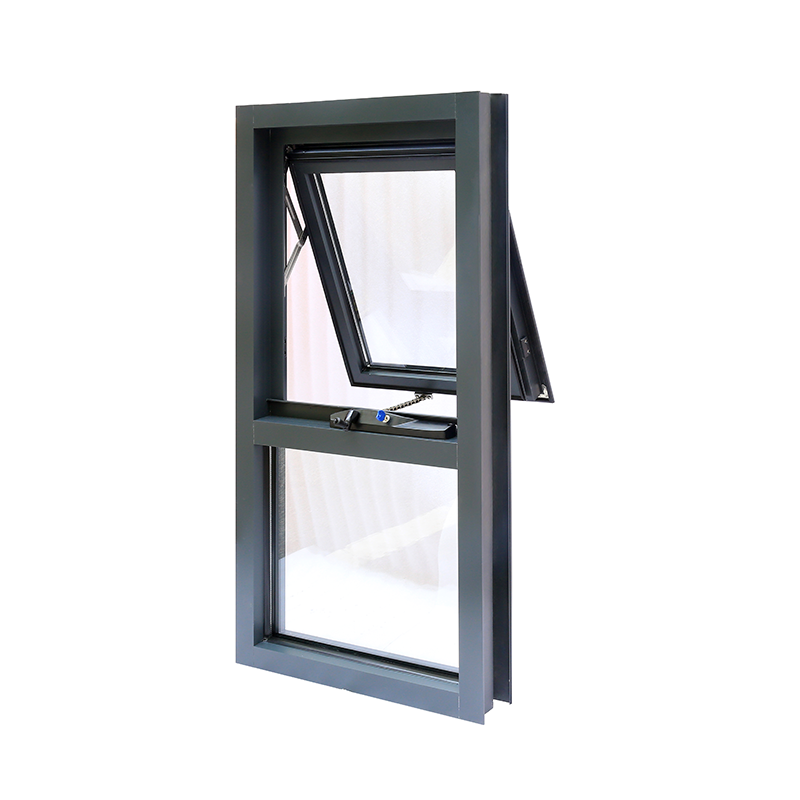
Beyond strength, style plays a crucial role in selecting window systems. Aluminum offers a sleek, minimalist appearance that complements a wide range of architectural styles—from industrial lofts to Scandinavian-inspired homes. Thanks to its malleability, aluminum can be crafted into slim profiles with precise angles and seamless joints.
Popular finishes include:
Matte black for a bold, modern statement
Anodized silver for industrial chic
Wood grain finishes for a warm, natural look without the maintenance
These customizable options make aluminum windows not just a functional element, but a key part of a building’s design language.

One standout product in the aluminum window category is the aluminum casement window—also known as a side-hinged or outward-opening window. Its adaptability to various climatic conditions makes it an excellent choice for homeowners across regions:
Aluminum’s resistance to corrosion makes it ideal for tropical and coastal regions. Unlike steel or wood, it doesn't rust or rot. When paired with double glazing and thermal breaks, aluminum windows provide excellent thermal insulation and moisture resistance, preventing mold growth and maintaining indoor comfort.
High-performance aluminum windows with thermal breaks (non-conductive barriers within the frame) reduce heat transfer. This helps maintain indoor warmth during winter while resisting wind infiltration. Casement-style aluminum windows seal tightly when closed, making them especially effective at blocking cold drafts.
In arid or semi-desert environments, such as parts of the Middle East, Southwest U.S., or Northern China, dust and sand are persistent environmental challenges. Wind can carry fine particles that infiltrate buildings, damage interior furnishings, and impact air quality. This is where aluminum casement windows truly excel.
Thanks to their precision-engineered frames and tight sealing mechanisms, casement-style aluminum windows create a strong barrier against dust infiltration. Unlike sliding windows, which may have more open tracks and crevices, casement windows close firmly against rubber gaskets, minimizing gaps where dust could enter. Additionally, the surface of aluminum is smooth and non-porous, making it easy to wipe clean—an essential feature in environments where regular cleaning is required.
Noise pollution is a growing concern in cities. Aluminum windows, when fitted with laminated or acoustic glazing, can significantly reduce outside noise. Their strength also enables the use of thicker glass panels, further enhancing soundproofing.

While sliding or fixed windows have their place, aluminum casement windows offer unique benefits that make them stand out:
Superior Ventilation: Casement windows open fully outward, catching side breezes and improving airflow in a room.
Enhanced Security: The frame’s strength and multi-point locking systems offer a high level of protection against break-ins.
Water Tightness: Casement windows close tightly with a compression seal, preventing rainwater leakage—even in storm-prone regions.
Energy Efficiency: Modern aluminum casement systems can incorporate thermal insulation strips, double or triple glazing, and low-E coatings for excellent energy savings.
Long Lifespan: With corrosion resistance and minimal maintenance, quality aluminum windows can easily last 30+ years.
Aluminum is one of the most recyclable materials in the construction industry. Up to 90% of aluminum used in building products can be recycled without degrading its quality. This makes aluminum windows a smart choice for sustainable construction, especially when paired with energy-efficient glazing.
Additionally, the longevity of aluminum frames reduces the need for replacements, further lowering the environmental impact over a building’s lifetime.
When it comes to window quality, the material is only half the story—the manufacturing process plays an equally critical role. Precision engineering ensures tight tolerances, smooth operation, and long-term reliability. Quality aluminum windows should feature:
Seamless corner welding or mechanical joints
Smooth, balanced hardware for easy opening and closing
Integrated drainage channels to manage rainwater effectively
UV-resistant powder coatings for long-term color retention
Premium manufacturers also conduct wind load, impact, and thermal tests to certify performance under diverse conditions.

For homeowners and developers seeking a reliable, stylish, and climate-adaptable window solution, aluminum casement windows stand out as the top contender. Their airtight seal, security features, and low maintenance make them suitable for high-end residences, modern villas, and energy-efficient commercial buildings alike.
Look for products that meet international quality certifications (such as CE, NFRC, ISO,AS2047、or CSA) and offer customizable dimensions, finishes, and glazing options to fit your unique project needs.

In the realm of modern construction, aluminum windows truly represent the perfect fusion of performance and aesthetics. They bring together resilience, timeless design, and energy efficiency in a way that few other materials can match.
Whether you live in a tropical coastal area or a bustling metropolitan center, investing in high-quality aluminum casement windows ensures that your space is protected, stylish, and built for the long run.
If you're exploring premium aluminum window solutions that deliver both engineering excellence and design flexibility, consider reaching out to Rolansini Windows. Their expertise in high-end aluminum window manufacturing, including casement systems designed for diverse climates, makes them a trusted partner for architects, builders, and discerning homeowners alike.
For more information about product specifications, design options, or to discuss your next project, visit www.rolansini-windows.com.


