
Views: 0 Author: Guangdong Rolansini Home Furnishing Technology Co., Ltd. Publish Time: 2025-08-29 Origin: https://www.rolansini-windows.com/


As the demand for sustainable living continues to rise, homeowners and architects alike are placing greater emphasis on energy efficiency in building design. From improved insulation materials to smart home technology, today’s modern homes are increasingly geared toward minimizing energy consumption. One essential, yet often underestimated, contributor to a home's thermal performance is the aluminum window.
Gone are the days when aluminum windows were dismissed for being poor insulators. With advancements in material engineering and manufacturing techniques, modern aluminum windows are now considered not only sleek and durable but also highly energy-efficient when properly constructed. In this article, we’ll explore how aluminum windows contribute to energy savings, why they are ideal for various climates, and what makes them a smart choice for modern homes.
Windows serve multiple functions beyond offering views and natural light. They also represent one of the most critical components of a building's thermal envelope. Poorly insulated or low-performance windows can account for up to 30% of a home's heating and cooling energy loss. This is where energy-efficient windows—particularly those with well-designed frames and glazing—play a pivotal role.
Energy-efficient windows reduce unwanted heat transfer, improve indoor comfort, and lessen the strain on HVAC systems. Over time, this can result in lower energy bills and a smaller carbon footprint.
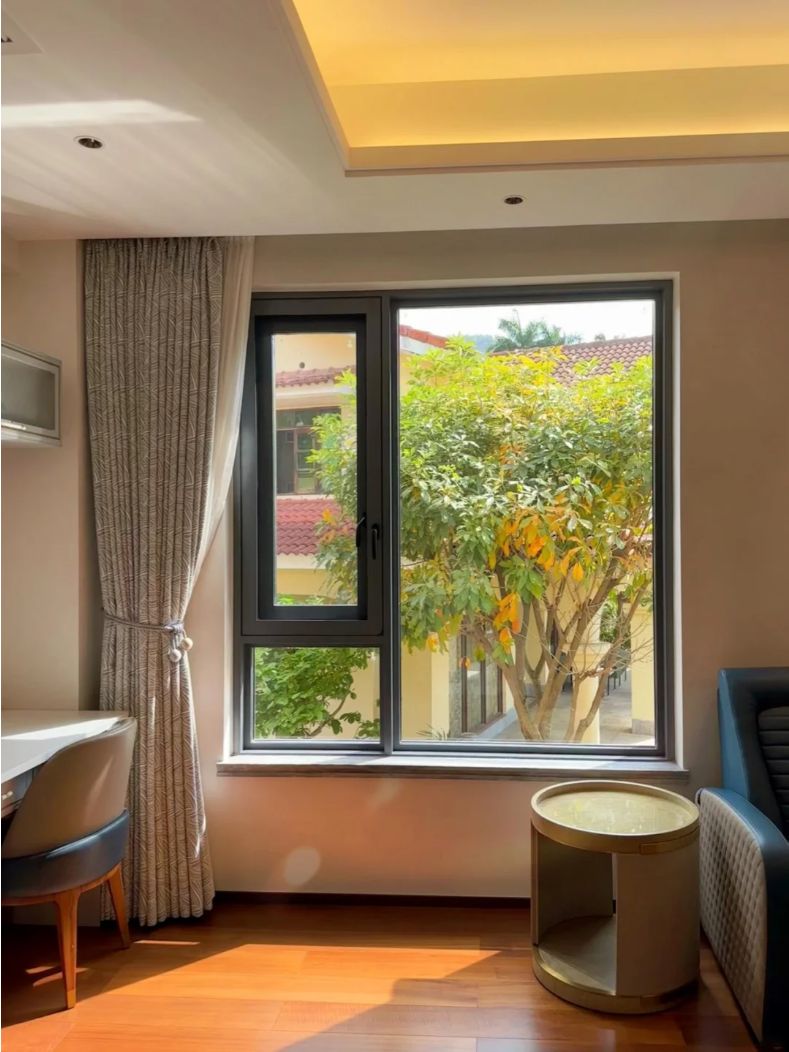
Historically, aluminum windows were often criticized for their poor thermal performance. Aluminum is a metal, and metals are excellent conductors of heat, meaning that without special design considerations, heat easily transfers through the frame — causing cold spots in winter and unwanted heat gain in summer. However, advancements in window technology have transformed aluminum windows into some of the most energy-efficient options available today.
Modern aluminum window systems now incorporate several cutting-edge features that drastically reduce heat transfer, improve insulation, and contribute to significant energy savings.
Key Features That Enhance Energy Efficiency:
Thermal Break Technology:
One of the most critical innovations is the use of thermal breaks within the aluminum frame. A thermal break consists of a non-metallic insulating barrier—usually made of reinforced polyamide or polyurethane—that separates the interior and exterior sections of the metal frame. This barrier disrupts the natural heat conduction path through the metal, significantly reducing thermal bridging.
Insulated Glazing Options:
The glazing (glass) component of aluminum windows plays a vital role in their overall energy efficiency. Modern aluminum windows are compatible with double or triple-glazed units, which consist of multiple glass panes separated by air or inert gas-filled spaces such as argon or krypton. These gaps act as insulating cushions, reducing heat transfer through the glass.
Air Tightness and Sealing:
Another often overlooked factor in window efficiency is how well the frame prevents air infiltration. High-quality aluminum windows are precision-engineered to include multiple layers of weatherstripping and tightly fitting seals that stop drafts and air leakage. This airtightness not only prevents cold or hot air from entering but also stops warm indoor air from escaping. By minimizing air leakage, these windows improve indoor comfort and reduce energy consumption caused by unnecessary heating or cooling.
Reflective Finishes and Coatings:
Beyond insulation, the surface treatment of aluminum frames can also influence thermal performance. Powder coating and anodizing not only provide durability and aesthetic appeal but can also improve the frame’s ability to reflect sunlight. Reflective coatings help reduce heat absorption by the frame itself, limiting the heat transferred indoors through conduction.
Additional Energy-Saving Features:
Many modern aluminum window systems also incorporate features like warm edge spacers in glazing units, which reduce heat loss at the glass edges, and integrated sunshades or louvers designed to block excessive direct sunlight without sacrificing daylighting.
Aluminum windows offer several benefits that align well with modern architectural and sustainability goals:
Aluminum's inherent strength allows for slim frames, enabling larger panes of glass. This means better access to natural light, reduced need for artificial lighting, and increased solar gain during colder months—reducing heating demands.
Whether you’re designing a minimalist urban loft or a modern coastal villa, aluminum windows can be customized in terms of shape, finish, and color. This adaptability allows designers to integrate high-performing windows without compromising aesthetics.
Unlike wood, aluminum does not warp, swell, or rot over time. It requires minimal upkeep and retains its appearance and performance for decades—further reducing the environmental impact of frequent replacements.
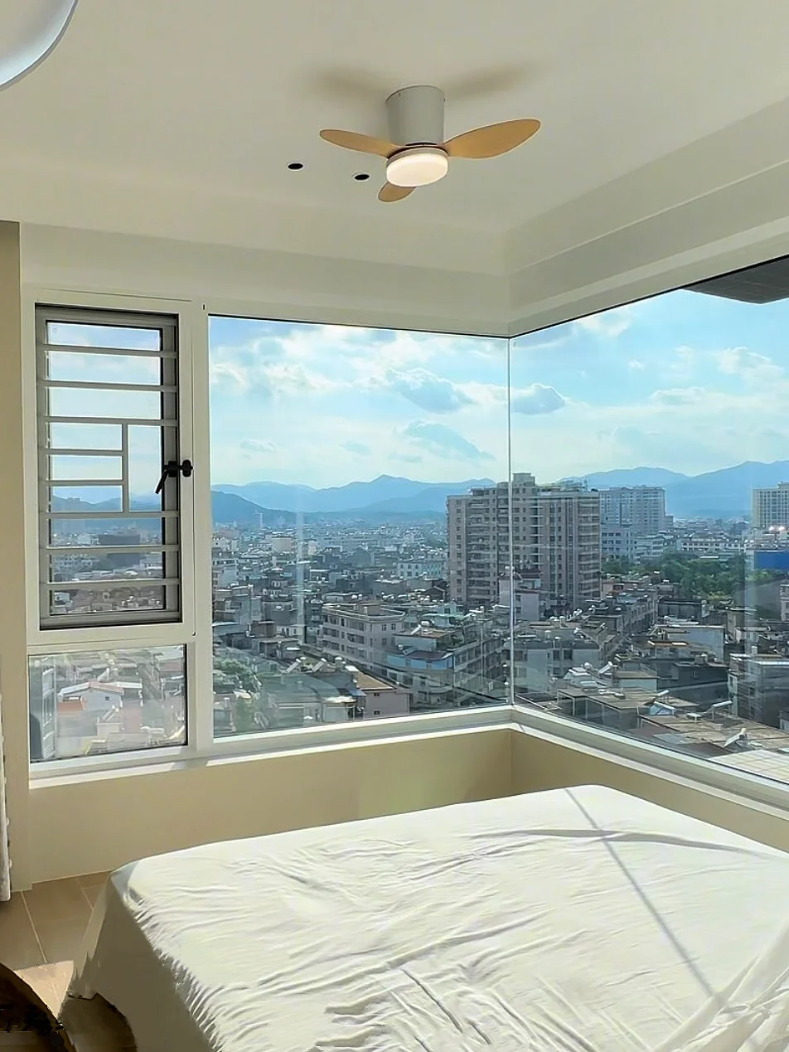
Modern aluminum casement windows are engineered to perform exceptionally well across a range of climate zones, making them a versatile choice for homes around the world.
In desert or high-temperature environments, aluminum’s dimensional stability is a major advantage. It doesn’t deform under intense sun or heat, ensuring windows stay sealed and energy-efficient. When combined with solar control glazing, aluminum windows help keep interiors cool and reduce reliance on air conditioning.
Humidity and salt air are notorious for degrading building materials. Properly treated aluminum—such as powder-coated or anodized finishes—resists corrosion far better than unprotected materials. Casement-style windows also promote cross-ventilation, allowing natural airflow to cool the space without mechanical systems.
Thanks to thermal breaks and insulated glass, aluminum windows can achieve impressive thermal resistance even in freezing temperatures. Casement windows seal tightly when closed, further reducing drafts and preventing heat loss.
In noisy cityscapes, aluminum's strength allows for thicker, sound-insulating glass units. This provides not only thermal efficiency but also acoustic comfort—important for homes near roads, airports, or industrial zones.
Beyond energy savings, aluminum windows contribute to environmental responsibility in several ways:
Recyclability:
Aluminum is 100% recyclable without loss of quality. Most aluminum window frames contain a significant percentage of recycled material.
Durability:
A longer lifespan means fewer replacements and less waste in landfills. A well-maintained aluminum window can last 30 years or more.
Lightweight Construction:
Aluminum's light weight can reduce transportation emissions during shipping and make installation easier and more efficient.
Choosing aluminum windows helps homeowners align with green building certifications such as LEED or BREEAM, and even achieve higher ratings under Australia’s NatHERS scheme (7 stars and above), especially when sourced from responsible manufacturers.
Thanks to their versatility and performance, aluminum windows are widely used in:
Residential homes and apartments
Green buildings and eco-homes
Commercial buildings with large glazed facades
Renovations replacing inefficient older windows
Passive solar designs and net-zero energy homes
Whether it’s a modern passive house or a stylish renovation project, energy-efficient aluminum windows provide a perfect balance of form and function.
Not all aluminum windows are created equal. To ensure you're getting maximum energy efficiency and durability, look for the following:
Thermal break construction
Double or triple glazing with Low-E coating
High-performance weather stripping and seals
Durable, corrosion-resistant surface treatments
Certification from relevant energy performance standards (e.g., ENERGY STAR, NFRC,NatHERS)
Working with a reliable manufacturer ensures consistent quality, proper installation support, and access to customizable solutions tailored to your climate and architectural goals.

As we move toward a more sustainable future, the windows we choose for our homes play a larger role than ever before. With advancements in design and material science, the modern aluminum window stands out as a high-performance solution that marries energy efficiency with aesthetic elegance.
Whether you live in a coastal retreat, a mountain cabin, or an urban apartment, aluminum windows can be tailored to meet your energy needs without sacrificing beauty or functionality.
To explore premium aluminum window options that combine design flexibility, climate adaptability, and lasting performance, consider visiting www.rolansini-windows.com. Their range of high-quality aluminum casement and sliding windows is designed with both sustainability and craftsmanship in mind. If you're planning a renovation or a new build, their team can help you choose the right solution for your environment and design vision.


