
Views: 0 Author: Site Editor Publish Time: 2026-06-01 Origin: Site


Coastal properties and elevated sites in Australia offer breathtaking views across the landscape. Yet, they expose outward-opening windows to severe wind pressures and punishing, driving rain. When you open them, casement sashes act almost exactly like boat sails. They catch the wind directly. If you specify standard hardware or oversized sashes in these high-wind zones, you invite rapid structural failure. Hinge failure, frame warping, and severe water ingress quickly become reality.
Solving this problem requires meticulous planning and strict specification. A successfully specified window for an exposed site demands a carefully calculated balance. You must integrate structural sash limits, heavy-duty hardware, and continuous compression seals. Furthermore, every component must meet or exceed rigorous Australian Standards. In this guide, you will learn exactly how to configure these architectural elements. We will explore hardware upgrades, exact sizing parameters, and weather-sealing techniques to fully protect your coastal or elevated home.
Strict Size Limits: In high-wind zones, casement sash widths should rarely exceed 600mm–800mm to prevent lever-force damage on hinges.
Hardware is Non-Negotiable: Multi-point locking systems and heavy-duty stainless steel friction stays are mandatory to prevent sash deflection and rattling.
Seal Architecture: Wind-driven rain requires continuous, co-extruded compression seals; standard weather-stripping is insufficient.
Compliance Baseline: Always demand AS2047 certification specific to your site’s specific Wind Classification (e.g., N3, N4, or Cyclonic C-ratings).
Understanding the aerodynamic forces at play is your first critical step. An open casement window catches powerful crosswinds instantly. It transfers immense torque directly to the window frame and its supporting hinges. Air movement over an exposed facade creates both positive pressure and negative suction. Positive pressure pushes the glass inward. Negative pressure violently pulls the sash outward. Standard residential hinges simply cannot handle these extreme opposing forces.
You must ensure strict AS2047 compliance for any window installation. This Australian Standard mandates rigorous testing procedures for structural integrity and weatherproofing. Buyers must verify products against two crucial performance metrics. The first is the Serviceability Limit State (SLS). SLS measures how much a window bends under normal, everyday wind conditions. Excessive bending causes air leaks and operational stiffness. The second metric is the Ultimate Limit State (ULS). ULS represents the absolute maximum pressure a window can survive during an extreme storm before catastrophic failure occurs.
You also need to distinguish clearly between Non-Cyclonic (N-Ratings) and Cyclonic (C-Ratings) classifications. Wind regions span from N1 (sheltered inland) up to N6 (extreme coastal). Cyclonic zones use C1 to C4 ratings. Standard residential windows typically max out around an N3 rating. They will fail catastrophically in N4+ zones without specific structural upgrades. Recognizing your site's exact rating prevents dangerous under-specification.
Standard residential hinges fail predictably under heavy wind loads. They rely on single pivot points at the top and bottom of the frame. When gale-force winds hit an open sash, the wind rips these basic butt hinges away from the aluminum frame. To solve this, you must upgrade to high-performance wind-rated solutions.
You need heavy-duty stainless steel friction stays. Friction stays fundamentally change how the window operates. Instead of pivoting on a fixed point, the sash slides outward along a track. You should specify 4-bar or 6-bar configurations. These complex geometric hinges distribute the wind load across a much larger section of the frame. They control the sash firmly. They prevent sudden gusts from violently over-extending and destroying the hinges.
Multi-point locking systems are equally crucial. A standard single-point latch only secures the middle of the sash. Under negative wind pressure, the top and bottom corners of the sash bow outward. We call this deflection. Deflection breaks the weather seal and lets water pour inside. Multi-point locks secure the sash at three or more separate points simultaneously. This keeps the window perfectly rigid and completely sealed when closed. It is a defining feature of premium aluminum casement window hardware.
Finally, consider your winder mechanisms. Standard lightweight winders easily strip their internal gears during a storm. You must choose heavy-duty chain or scissor winders. These robust operators hold the sash rigid at various opening angles. They firmly resist sudden wind shifts. High-quality truth operators drastically reduce the risk of your windows slamming shut and shattering the glass.
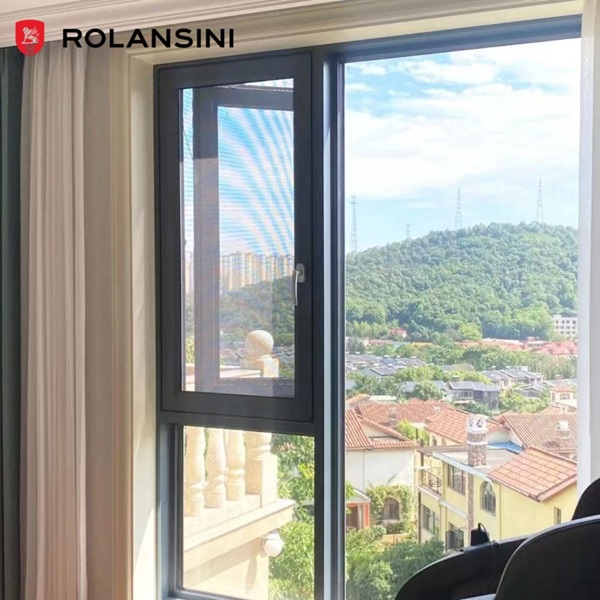
High winds completely change how rain interacts with a building facade. Wind pushes water upward and inward against gravity. It forces moisture into microscopic gaps around your window frames. Basic weather-stripping easily succumbs to this pressure. Evaluating water penetration resistance requires examining the actual geometry of your window seals.
Brush seals or mohair strips are entirely inadequate for exposed environments. They might stop dust, but they cannot block pressurized water. You must require EPDM (Ethylene Propylene Diene Monomer) or Santoprene seals. These materials create continuous, co-extruded compression seals. When you close the window, the multi-point lock squashes this rubber gasket tightly against the frame. This action forms a watertight barrier. You cannot achieve true weatherproofing without compression seals when specifying casement windows for windy areas.
Furthermore, you need double-seal systems. The best structural designs employ the rain screen principle. They use both a primary outer seal and a secondary inner seal. If extreme wind-driven rain breaches the first exterior barrier, the water drops into a specialized drainage chamber. Weep holes then channel this water safely back outside. The secondary interior seal remains perfectly dry. This perimeter sealing architecture guarantees your inner frame and wall cavities stay protected during severe weather events.
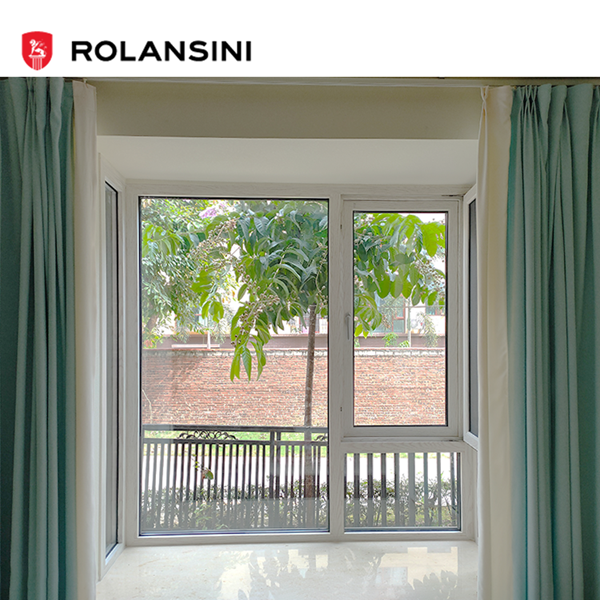
The most common point of structural failure involves specifying a sash that is simply too wide for the site's wind rating. Homeowners often desire massive, uninterrupted panes of glass. However, wide casement sashes create a dangerous leverage effect. The wider the sash, the more force it exerts on the friction stays.
You must strictly monitor width-to-height ratios. A sash acts as a mechanical lever against its hinges. If you double the width of the window, you exponentially increase the torque applied to the hardware. Safe baseline parameters dictate keeping sash widths under 750mm in N3 and N4 wind zones. You should always verify your desired dimensions against the fabricator's certified engineering charts.
Here is a basic sizing matrix for a typical wind resistant casement window:
| Wind Classification | Maximum Recommended Sash Width | Hardware Requirement |
|---|---|---|
| N1 - N2 (Sheltered) | 900mm | Standard 4-Bar Friction Stays |
| N3 (Moderate Exposure) | 750mm | Heavy-Duty 4-Bar + Multi-Point Locks |
| N4 - N5 (High Exposure) | 600mm | 6-Bar Stainless Stays + Multi-Point Locks |
| Cyclonic (C1 - C3) | Custom / Under 600mm | Commercial Grade Hardware + Impact Glass |
Glass weight also heavily influences your structural limits. Thicker glazing fundamentally changes the engineering math. Acoustic glass, double glazing, and laminated safety glass weigh significantly more than standard single panes. This extra weight pulls aggressively on the friction stays. It further reduces the maximum allowable dimensions before hardware failure becomes a serious risk. Always calculate the total sash weight before finalizing your window schedules.
Sometimes, a casement style simply will not survive a specific site exposure. You must implement a strict decision framework comparing casement and awning configurations. Awnings hinge at the top and push outward from the bottom. This mechanical difference drastically changes how they handle wind pressure.
Wind directionality dictates your best choice. Casements excel at catching passing breezes. They funnel fresh air directly into the home. However, if your facade directly faces the prevailing storm winds, casements become highly vulnerable. In these specific locations, you should pivot to awning windows. An open awning window acts as an aerodynamic shield. It deflects incoming wind directly over the glass surface. The wind pushes the awning sash back toward the closed position, which actually protects the hinges from over-extension.
To make the right choice, follow these structured next-step actions:
Conduct a Site Assessment: Walk the property with your builder or architect to map exact wind corridors.
Analyze Prevailing Winds: Identify the primary direction of severe storm fronts versus gentle summer breezes.
Assign Styles per Elevation: Use casement windows Australia on sheltered, breeze-catching elevations.
Pivot to Awnings: Place heavy-duty awning windows on the direct storm-facing facades.
Check Roof Overhangs: Ensure upper-level windows have enough eave protection before finalizing outward-opening styles.
Specifying windows for highly exposed sites requires rigorous structural engineering, not just aesthetic preferences. You must carefully balance sash sizes, advanced locking mechanisms, and continuous sealing architectures. Standard residential components will inevitably fail under extreme coastal or elevated pressures. You need hardware designed specifically for high-stress environments to ensure long-term durability and safety.
Do not accept vague verbal assurances regarding wind ratings. You must proactively ask your window fabricator for the official AS2047 test certificate. Ensure this certificate matches your exact window size, hardware configuration, and site wind rating. Protect your investment by demanding verifiable structural compliance before signing any supply contracts.
Consult with a specialized structural window fabricator to audit your site plans thoroughly. Let the experts review your elevations and wind classifications before you lock in your final window schedules. By selecting a certified casement windows Australia system, you guarantee your property remains dry, secure, and beautiful regardless of the weather outside.
A: Typically 600mm to 800mm, depending on the N-rating and the specific hardware capacity. Going wider usually requires switching to a different window style or custom commercial framing.
A: Retrofitting is difficult and often ineffective. Friction stays and multi-point locks require specific frame extrusions. Full window replacement is usually required to achieve a certified wind rating.
A: Only if your property is located in designated cyclonic regions (Region C or D) under Australian building codes, where windows must resist flying debris impacts, not just wind pressure.


