
Views: 0 Author: Site Editor Publish Time: 2026-06-22 Origin: Site


Australian wet rooms present a unique architectural challenge. We demand high moisture exhaust but also require strict privacy. Unpredictable coastal weather makes this delicate balance even harder to achieve.
Sliding or louvre windows often fail in these high-humidity spaces. Rain ingress ruins sills and damages interior plaster. Acoustic seals degrade quickly under harsh conditions. Flyscreen integration becomes a frustrating, messy afterthought for homeowners. You need a technically sound, standard-compliant solution.
This guide explores why top-hinged designs offer reliable airflow without exposing your interior. You will learn how to select hardware, glazing, and frames properly. We will show you how to keep wet areas dry, secure, and perfectly private.
Awning windows operate on a top-hinge mechanism, making them the superior rain protection window for continuous wet-room ventilation.
Custom glazing options (frosted, fluted, or double-glazed) transform them into an ideal privacy ventilation window, eliminating the need for moisture-trapping blinds.
Integrating a chain winder awning window allows for fixed internal flyscreens, keeping Australian pests out while maintaining easy operation over baths or deep sinks.
Selecting awning windows Australia requires verifying AS2047 compliance, particularly for weatherproofing in high-wind or coastal regions.
Bathrooms and laundries generate immense humidity daily. You need rapid air exchange in these spaces. Constant airflow prevents black mold growth. Yet, these rooms often face neighboring fences or public pathways. You cannot simply install large, clear glass panes. Security and seclusion remain top priorities.
Homeowners often default to sliding or louvre designs. These choices bring inherent compromises. Sliding windows provide a poor ventilation area. You can only ever open them to 50 percent capacity. Their bottom tracks also collect dust, hair, and moisture. This creates a difficult cleaning chore.
Louvre windows offer excellent airflow. However, they provide inferior acoustic insulation. They also struggle to seal effectively against driving rain. Strong winds push water through the horizontal glass blades.
Awning windows solve these structural problems. They provide a tight compression seal when closed. This ensures a superior energy and acoustic rating. When open, the sash deflects rain outward. They act as a physical shield against the elements.
They also serve as a structural privacy solution. The upward-opening angle naturally blocks direct sightlines from below. Passersby cannot look up into the room. This geometric advantage makes awning windows for bathrooms highly effective. You achieve ventilation without sacrificing personal seclusion.
| Window Type | Ventilation Capacity | Acoustic Insulation | Rain Protection | Maintenance Level |
|---|---|---|---|---|
| Sliding | Medium (50% openable) | Medium | Low (tracks flood easily) | High (cleaning tracks) |
| Louvre | High (100% openable) | Low | Low (water bypasses blades) | Medium (cleaning multiple blades) |
| Awning | Medium (bottom opening only) | High (compression seal) | High (deflects water outward) | Low (simple wipe down) |
The structural design of the top hinge changes everything. It turns the glass pane into a rigid canopy. Water hits the slanted glass and runs straight down to the exterior ground. It bypasses the interior sill entirely.
This physical trait delivers massive practical benefits. You can leave awning windows for laundries cracked open during heavy downpours. They safely vent hot dryer exhaust. They eliminate damp odors continuously. You never have to worry about flooding the window sill.
You can optimize moisture removal through cross-ventilation. Combine an outward-opening sash on the windward side of the house with a mechanical exhaust fan. The fan pulls stale air up and out. The cracked sash pulls fresh exterior air in. This creates active and passive air exchange simultaneously.
We must acknowledge one structural limitation. These units typically do not open a full 90 degrees. They offer less total raw air volume than a side-hinged casement window. However, wet rooms prioritize weather-safe, continuous trickle ventilation. Massive, uncontrolled air gusts are unnecessary. Steady, rain-proof breathing is the ultimate goal.
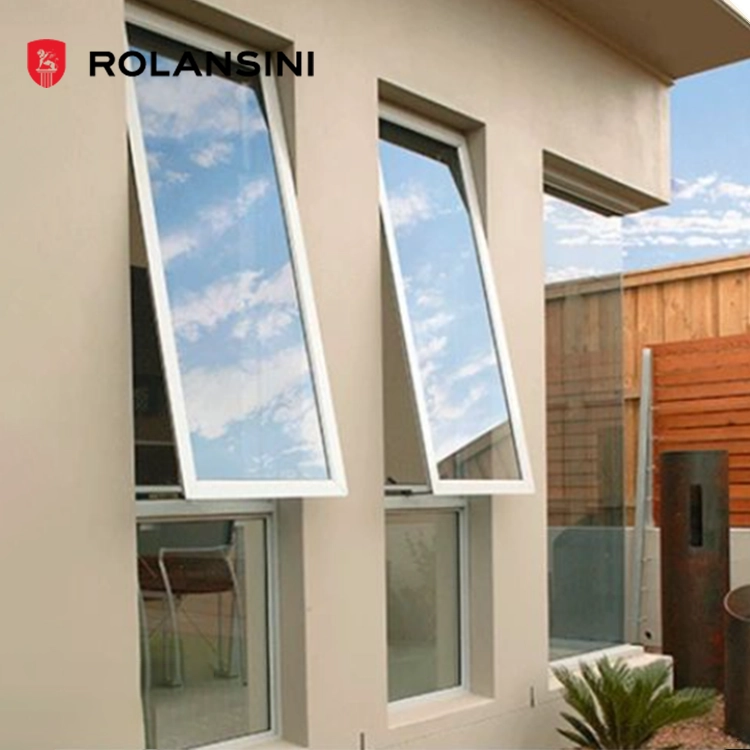
Hardware selection dictates your daily experience. You generally choose between two operational mechanisms. Friction stays require you to push the glass out manually. Chain winders use a rotating handle to extend a metal chain. The chain pushes and pulls the sash.
A winder mechanism proves essential for wet rooms. You often need to reach over deep soaking tubs. You might reach across wide laundry benches. A winder allows effortless, one-handed operation across these awkward reaches. Push-out stays require you to lean heavily and use two hands.
Flyscreen integration presents another major advantage. The sash pushes outward into the exterior space. Therefore, flyscreens must sit securely on the inside frame. The winder mechanism protrudes through a small slot in the screen. You open and close the glass right through the mesh. You never need to remove the screen to let air in.
Consider these best practices for hardware selection:
Specify stainless steel chains: Standard chains rust quickly in high-humidity bathrooms.
Check handle clearance: Ensure the rotating handle does not hit your laundry taps or bath spout.
Install key-lockable winders: Ground-floor rooms require lockable handles to prevent forced exterior entry.
We must also address National Construction Code (NCC/BCA) compliance. Second-story bathrooms pose a severe fall hazard. The building code mandates specific window restrictors for these elevations. A restricted winder stops the sash from opening wide enough for a person to fall through. It guarantees safety while maintaining standard airflow.
Frame material impacts long-term performance directly. Aluminium remains the most popular choice in Australia. We highly recommend thermally broken aluminium frames. They prevent exterior cold from transferring inside. uPVC offers excellent thermal resistance natively. It will never corrode in salty coastal air. Timber looks aesthetically pleasing. However, it carries high rot risks in steamy bathrooms. You must maintain timber meticulously to prevent warping.
Privacy glazing goes far beyond basic frosted glass. You want to diffuse natural light while totally obscuring interior details.
Cathedral glass features a textured, bumpy surface. It distorts shapes effectively. Satinlite offers a smoother, modern matte finish. Translucent laminated glass utilizes a cloudy internal interlayer. This provides a sleek, flat surface on both sides. It is much easier to wipe clean than textured glass. It also provides superior acoustic dampening.
Thermal performance matters in wet areas. Single-pane glass turns freezing cold during Australian winters. Warm, steamy shower air hits this cold pane immediately. It forms heavy condensation instantly. We call these "weeping windows".
Specifying double-glazing prevents this physical reaction. The inner pane stays near room temperature. Moisture does not condense on it. This simple upgrade stops water from pooling on your timber sills. It also improves your overall home energy rating.
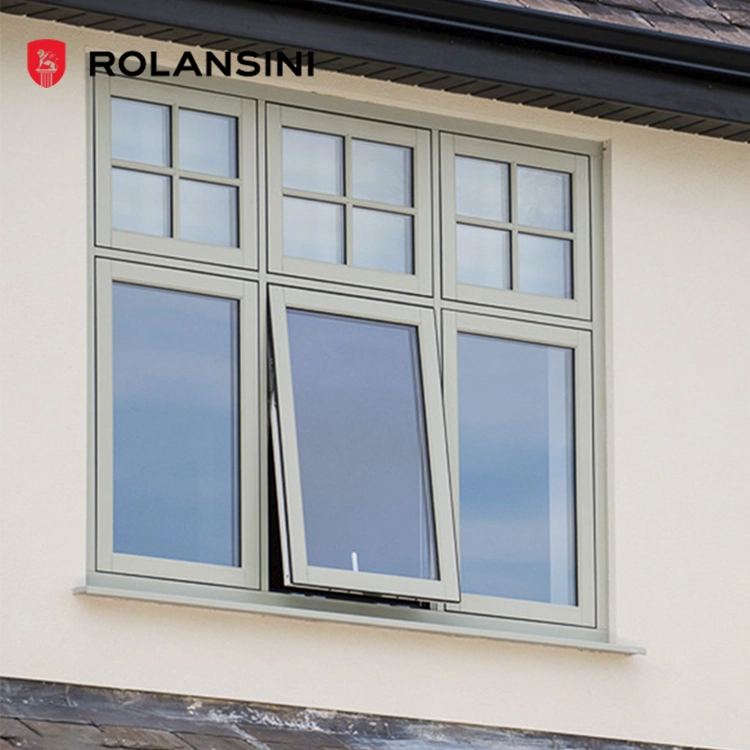
You must read technical specification sheets carefully. Look at three primary performance metrics. The U-value measures heat loss. A lower U-value means better insulation. The Solar Heat Gain Coefficient (SHGC) measures solar radiation transfer. Acoustic Rw ratings tell you how much neighborhood noise the unit blocks.
You must verify strict AS2047 compliance. This standard ensures the product handles Australian environmental extremes. Laboratories test the units for structural deflection under wind pressure. They also test for water penetration resistance. Never install uncertified products in a wet room.
Hardware warranties require close inspection. You should always check the origin of the moving parts. Ask your supplier where they source the hinges and winders. These mechanical components fail long before the glass or aluminium frame. Constant exposure to coastal salt or steamy showers accelerates hardware corrosion.
Follow these numbered steps when upgrading your space:
Measure the structural opening: Record exact brick-to-brick dimensions, not just the old frame size.
Consult a local fabricator: Local manufacturers understand regional wind loads better than national warehouses.
Request custom sizing: Off-the-shelf laundry sizes often leave ugly gaps. Custom frames ensure a perfect, watertight seal.
Verify lead times: Custom double-glazed obscure glass often takes several weeks to manufacture locally.
Specifying the right ventilation unit for a wet room is a functional decision first. Aesthetics always come second. You must manage moisture, ensure privacy, and block driving rain simultaneously.
Top-hinged rain defense makes this window style unmatched. Internal screen compatibility keeps pests out effortlessly. Obscure double-glazing stops condensation dead. These factors make awning configurations the lowest-risk, highest-reward investment for high-humidity spaces.
Take action today. Audit your current bathroom and laundry ventilation. Check your sills for water damage or mold. Contact a certified Australian supplier. Request an itemized quote for fully compliant, thermally efficient replacements.
A: Yes. The outward-angled sash acts as a protective canopy. It deflects standard vertical rain away from the interior sill. However, it is not entirely immune to horizontal cyclonic rain. You should close it during severe, gale-force storms. For standard rainy days, it provides excellent continuous ventilation without letting water inside.
A: They can be challenging on upper levels. The sash pushes outward, blocking your physical access to the exterior glass from the inside. First-floor units require exterior ladder access for cleaning. If you live in a multi-story home, you might need professional window cleaners to reach these upper exterior panes safely.
A: Yes, it is often possible. You must ensure the bottom frame has enough flat surface area to mount the winder box securely. You also need to verify the sash weight limits. Heavy double-glazed sashes might require heavy-duty twin-chain mechanisms. Consult a professional installer to confirm compatibility with your existing hinges.
A: Yes. The Australian building code requires adequate ventilation in wet rooms. While a large window provides natural ventilation, mechanical exhaust fans actively pull dense, humid air out of the room. Combining both methods is the most effective way to prevent mold and comply with strict modern building standards.


