
Views: 0 Author: Site Editor Publish Time: 2026-06-01 Origin: Site


Up to 87% of a home’s heat gain and 40% of its heat loss occurs through windows. RMIT data confirms this stark reality for modern households. Upgrading your fenestration remains the most structural approach to reducing HVAC reliance. You cannot simply rely on air conditioning to mask poor building envelopes.
Yet, the Australian window market floods buyers with confusing technical specifications. Buyers frequently overpay for premium glass placed in poorly performing frames. This common mistake completely negates the energy efficiency investment. We see new builds featuring expensive double glazing that still leak interior heat aggressively during winter.
This guide breaks down how to read the Window Energy Rating Scheme (WERS) label accurately. You will interpret U-Value and SHGC specifically for the diverse Australian climate. You will also learn how to confidently specify standard or thermally broken aluminium windows for your project. Armed with this knowledge, you will evaluate supplier quotes like an industry professional.
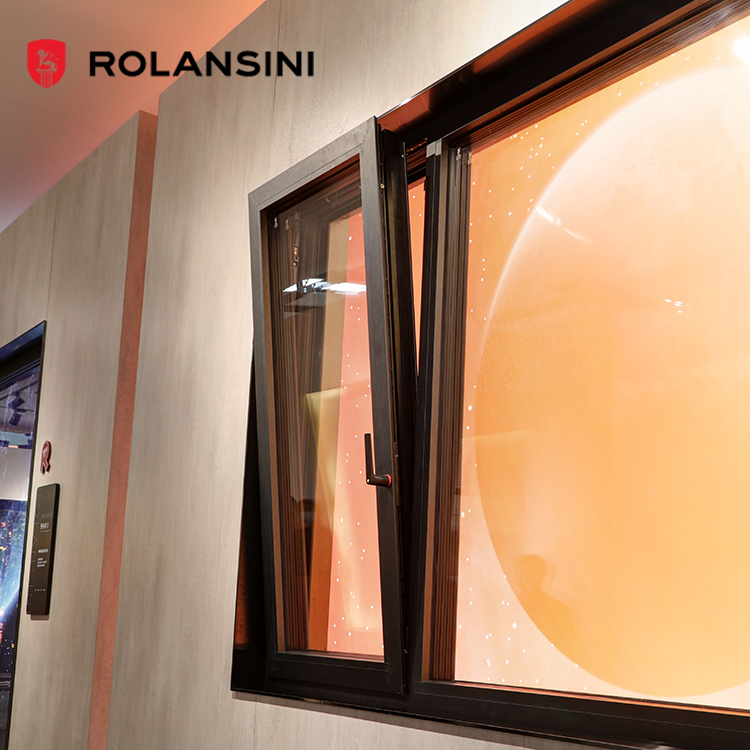
Whole-of-Window Matters: Always evaluate Uw (whole window) over Ug (center of glass) to avoid a common marketing trap.
The Golden Rule of U-Value: Lower is always better. It dictates how well the window insulates against escaping heat or intruding cold.
The SHGC Balancing Act: Solar Heat Gain Coefficient is not "one-size-fits-all." It must be tailored to your specific Australian climate zone and facade orientation.
Aluminium Realities: Standard aluminium is highly conductive; specifying thermally broken aluminium is non-negotiable for strict energy code compliance in modern builds.
The Window Energy Rating Scheme (WERS) provides a standardized framework for evaluating window performance in Australia. You must scrutinize specific metrics on your quotes to establish a true performance baseline. Recognizing these numbers prevents costly specification errors.
First, examine the WERS Star Rating System. It scores windows from 0 to 10 stars. The label displays separate star ratings for cooling performance in summer and heating performance in winter. While stars offer a quick visual reference, they lack precision. Raw data ultimately dictates actual climate control performance. You need to read the distinct numbers printed below the stars.
Next, evaluate the U-Value, known formally as Thermal Transmittance. U-Value defines the exact rate of non-solar heat loss or gain. It serves as your primary defense against ambient temperature exchange. A lower number means better insulation. Standard single-glazed aluminium systems usually score around 4.0 to 6.0. In contrast, premium double-glazed systems target a U-Value of 1.5 or lower. You always want the lowest possible U-Value.
Then, check the SHGC, or Solar Heat Gain Coefficient. SHGC operates on a strict 0 to 1 scale. It measures the precise fraction of solar radiation the glass admits into the room. A high SHGC acts like an internal heater, welcoming solar energy. A low SHGC functions as a physical sunshade, blocking heat.
Finally, review Visible Light Transmittance (Tvw) and Air Infiltration (AI). These serve as secondary but crucial indicators. Tvw determines how much natural daylight enters your room. A higher Tvw rating reduces your reliance on artificial daytime lighting. Air Infiltration (AI) measures draft prevention. Lower AI metrics mean a tighter seal, keeping conditioned air inside.
| WERS Metric | Definition | Target Goal |
|---|---|---|
| U-Value (Uw) | Rate of ambient temperature transfer. | As low as possible (e.g., ≤ 1.5). |
| SHGC | Fraction of solar heat admitted. | Depends on climate and orientation. |
| Tvw | Percentage of visible light allowed in. | High, for better natural illumination. |
| AI | Rate of air leakage through frames. | Low, to prevent drafts and whistling. |
Many buyers fall into a prevalent industry trap regarding U-Values. You must understand the strict definition gap between Ug and Uw to protect your building budget. Unscrupulous marketers rely on consumer ignorance here.
Ug represents the thermal performance of the glass alone. Uw factors in the entire assembled window unit. It measures the glass, the frame, the spacer, and the rubber seals together. Sales brochures often quote the impressive Ug number while actively hiding the poor Uw figure. This misdirection ruins real-world energy efficiency.
This distinction matters deeply due to the aluminium conduction factor. Standard aluminium conducts heat roughly 1,000 times faster than uPVC or timber frames. You might purchase high-performance Low-E glass featuring an excellent Ug rating. However, placing it inside a standard aluminium frame creates a massive thermal bridge. Heat pours out rapidly through the metal edges. This mismatch results in a terrible overall rating, or a poor Uw.
Always verify standards explicitly before signing contracts. Advise your suppliers to provide the specific Uw and SHGcw figures on every quote. These comprehensive metrics align with the National Construction Code (NCC) and AS2047:2014 standards. Reject quotes showing only "glass performance." You live behind a whole window, not a floating piece of glass.
You need an actionable framework to select windows based on local environmental realities. Australia features diverse and extreme climates. These regions require tailored NatHERS or BASIX compliance strategies.
In cold or temperate climates, like Hobart or Melbourne (Zone 7), prioritize heat retention. Your strategy requires a very low U-Value to prevent precious winter heat loss. You also need a medium to high SHGC. This strategic combination allows the low winter sun to provide free ambient heating inside your house.
Hot and humid climates demand the exact opposite approach. If you build in Darwin or Brisbane (Zone 1 and 2), focus heavily on keeping the heat out. Use a low U-Value to keep your chilled air conditioning trapped inside. Pair this insulation with an extremely low SHGC. This low solar coefficient blocks intense solar radiation from penetrating the glass and baking your rooms.
Furthermore, apply a strict room-by-room orientation strategy. No single window specification works perfectly for every wall on your house.
| Facade Orientation | Solar Challenge | Recommended Specification |
|---|---|---|
| North-Facing | Needs winter sun, blocks summer sun. | Balanced: Low U-Value, Moderate SHGC. |
| West-Facing | Brutal late afternoon solar heat gain. | Extreme defense: Low U-Value, Very Low SHGC. |
| South-Facing | No direct sunlight; high heat loss zone. | Insulation focus: Lowest U-Value, SHGC is irrelevant. |
North-facing windows require a highly balanced approach. Choose a low U-Value and a moderate SHGC. This captures the lower winter sun rays perfectly. It simultaneously blocks the high-angled summer sun from overheating the living space.
West-facing facades face the most brutal solar load in Australia. The piercing late afternoon sun causes rapid internal overheating. These rooms require an extremely low SHGC to survive summer. They also frequently benefit from additional physical shading like deep eaves or external louvers.
South-facing rooms receive practically no direct sunlight at any point. Therefore, the SHGC metric becomes completely irrelevant. Prioritize the absolute lowest possible U-Value instead. These windows face cold ambient temperatures constantly. They act as major structural areas for heat bleeding during winter nights.
Technical metrics directly connect to your physical product selection. The mechanical design of your windows heavily impacts their overall energy efficiency. This performance difference happens primarily through frame sealing pressure.
Consider the Air Infiltration (AI) factor closely. High external winds and pressure differences force outside air through tiny gaps in window frames. A poorly sealed operating mechanism ruins a fantastic Uw rating. Active compression directly fights this air infiltration and secures your thermal envelope.
While incredibly popular and space-saving, a Sliding Window faces inherent structural constraints. Sliding tracks rely heavily on brush seals rather than tight rubber compression gaskets. This specific sliding design inherently features lower compression sealing. It slightly reduces both acoustic insulation and thermal performance compared to hinged systems.
Alternatively, you can leverage Awning Window advantages. An awning sash hinges securely at the top and opens outward from the bottom. During high wind loads, the external wind physically presses the sash outward tightly against the frame seal. This simple mechanical action offers superior weatherproofing. It provides much tighter AI metrics than horizontal sliding tracks.
For maximum structural performance, consider Tilt&Turn Window superiority. This heavy European-style mechanism stands as the absolute gold standard for compression sealing. Multiple steel locking points pull the sash tightly into thick, continuous rubber gaskets. This action offers maximum airtightness and the lowest possible AI score. It perfectly complements high-end, low U-Value glass packages.
You need a concrete, logical framework to shortlist vendors and finalize your window selections. Use this structured checklist approach to specify U-Value SHGC aluminium windows Australia correctly for your home.
Demand Thermal Breaks: Never accept standard aluminium extrusions for strict energy efficiency goals. Ensure the inclusion of a reinforced polyamide thermal break. This structural insulator sits between the inner and outer frame. It physically isolates the exterior metal from the interior metal. It stops rapid heat transfer dead in its tracks and slashes your Uw figure dramatically.
Check for Argon and Spacers: Specify Argon gas fills between your double glazing panes. Argon gas is far denser than standard air and actively slows heat transfer. Also, request "warm-edge" spacers. Traditional aluminium glass spacers conduct heat quickly. Warm-edge alternatives use composite materials to prevent internal edge condensation and lower the Uw further.
Address Bushfire and Coastal Rules: Energy efficiency must never override essential safety codes. Ensure the chosen window system fully meets AS 3959 standards if you build in a bushfire-prone area. Always check the required Bushfire Attack Level (BAL) rating of the complete window assembly. Furthermore, coastal properties require upgraded powder coatings to resist harsh salt corrosion over the decades.
Enforce Quote Standardization: Do not let suppliers confuse you with vague, generalized performance numbers. Provide a strict script for suppliers. Tell them: "Please provide quotes displaying the Whole-of-Window WERS ratings. Specifically note the Uw and SHGcw for each item. Confirm the system is NATA-accredited for Australian standards."
Balancing U-Value and SHGC is not about merely buying the most expensive window on the market. It is about buying the exact right specification tailored for your specific wall orientation and local climate zone. Correct specification protects your comfort and your wallet.
Take these concrete next steps to secure your investment:
Audit your current floor plans and mark the compass directions.
Identify your most exposed facades facing the harsh western sun or cold southern winds.
Demand customized glass-and-frame combinations from your window suppliers.
Refuse generic, underperforming "house-lot" packages that ignore room orientation.
By enforcing these standards, you eliminate thermal bridging and secure reliable long-term energy savings.
A: No. Window film can effectively lower your SHGC, reducing glare and unwanted summer heat gain. However, it does almost nothing to improve U-Value. It cannot provide the necessary insulation against ambient temperature transfer during freezing winter nights. You must address the glass thickness and frame material instead.
A: This phenomenon actually proves you have an exceptionally low U-Value. The outer glass pane remains cold because the inner pane successfully traps your home's expensive heating inside. Since no internal heat escapes to warm the outer glass, morning dew naturally condenses on it. It indicates excellent performance.
A: Generally, no. High-quality, thermally broken double glazing featuring Low-E coatings proves completely sufficient for most Australian NCC requirements. Well-specified double glazing offers a much better return on investment than the heavy cost premium of triple glazing, unless you build in extreme alpine regions like the Snowy Mountains.


