
Views: 0 Author: Site Editor Publish Time: 2026-01-20 Origin: Site


Are you looking to maximize space in your home while adding a sleek, modern touch? Pocket doors offer an elegant solution that's both practical and stylish. Unlike traditional hinged doors that require clearance space to swing open, pocket doors slide seamlessly into the wall cavity, freeing up valuable floor space and creating a cleaner aesthetic.
This comprehensive guide will walk you through every aspect of pocket door installation, from initial planning to final touches. Whether you're a seasoned DIY enthusiast or considering hiring a professional, you'll gain the knowledge needed to ensure a successful installation.
Looking to save space and add a modern touch to your home? Pocket doors might be the perfect solution. These sliding doors disappear into the wall, offering both style and practicality. In this post, we'll show you how to install a pocket door, step by step. From preparation to the final touches, you'll learn everything you need to get the job done right. Plus, we'll cover common challenges and troubleshooting tips to help you along the way.

Pocket doors have become increasingly popular in modern home design for several compelling reasons:
Space Efficiency: The most obvious advantage is space savings. In tight hallways, small bathrooms, or compact bedrooms, eliminating the door swing radius can make a dramatic difference in usability and furniture placement.
Aesthetic Appeal: Pocket doors create clean lines and a minimalist look that complements contemporary interior design. When open, they disappear completely, creating seamless transitions between rooms.
Accessibility: For individuals with mobility challenges, pocket doors can be easier to operate than traditional doors, requiring less maneuvering space and often less physical effort to open and close.
Flexible Room Configurations: Pocket doors excel in situations where you want the option to open up or close off spaces. They're perfect for connecting living areas, creating flexible home offices, or separating entertainment spaces.
Before committing to a pocket door installation, be aware of these considerations:
Wall Cavity Requirements: Pocket doors need a clear wall cavity equal to the door's width. This means you cannot install them in walls containing essential plumbing, electrical panels, or HVAC components without significant rerouting work.
Sound Transmission: Standard pocket doors provide less sound insulation than traditional hinged doors because they don't seal as tightly against the frame. However, this can be mitigated with proper materials and installation techniques.
Installation Complexity: Installing a pocket door is more involved than hanging a standard door. It requires opening the wall, modifying framing, and ensuring precise measurements and alignment.
Maintenance Accessibility: If the door hardware fails or needs adjustment, accessing components within the wall can be challenging. Quality hardware and proper installation help minimize this concern.
Before purchasing materials, thoroughly evaluate the installation location:
Wall Type Identification: Determine whether your wall is load-bearing or non-load-bearing. Load-bearing walls require additional structural support (headers, jack studs, and king studs) and may necessitate professional consultation or permits.
Wall Cavity Inspection: Check for obstructions within the wall cavity. Use a stud finder to locate studs, and if possible, drill small inspection holes to verify the cavity is clear of wiring, plumbing, or HVAC ducts. These obstructions can significantly complicate or even prevent pocket door installation.
Structural Considerations: Examine the floor and ceiling structure. You'll need adequate support for the door's weight and the modified framing. In some cases, additional floor reinforcement or ceiling blocking may be necessary.
Door Material Selection:
Hollow-core doors: Lightweight and affordable, suitable for interior locations where sound insulation isn't critical
Solid-core doors: Heavier and more expensive but provide better soundproofing, privacy, and a premium feel
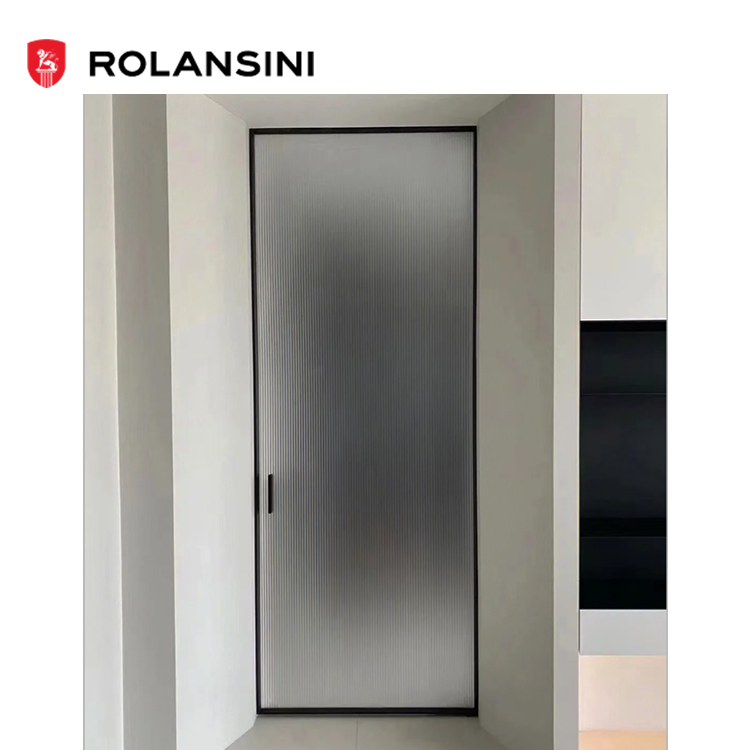
Glass doors: Excellent for maintaining light flow between spaces, available in clear, frosted, or decorative patterns
Custom materials: Wood, metal, or composite doors for specific aesthetic requirements
Hardware Kit Quality: Invest in a quality pocket door kit from reputable manufacturers. Premium hardware typically includes smoother rollers, more durable track systems, and better alignment mechanisms. While budget kits may save money initially, they often result in operational issues and premature wear.
Door Dimensions: Standard pocket door widths range from 24 to 36 inches, with 30 and 32 inches being most common. Measure your opening carefully and consider how the door width affects the overall room proportion and functionality.
Essential Tools:
Circular saw or reciprocating saw for cutting studs and drywall
Drill and driver bits
Spirit level (4-foot and 2-foot)
Tape measure and carpenter's square
Utility knife for drywall cutting
Hammer and pry bar
Drywall saw
Safety equipment: safety glasses, dust mask, work gloves
Required Materials:
Pocket door kit (includes track, rollers, and mounting hardware)
Door slab appropriate for your opening
Lumber for framing (2x4s or 2x6s depending on wall thickness)
Drywall sheets
Joint compound and drywall tape
Drywall screws and framing nails
Trim molding
Door hardware (handles, pulls, locks)
Primer and paint
Remove the Existing Door Assembly
Begin by carefully removing the current door and frame. Start by taking the door off its hinges—simply unscrew the hinge pins or remove the screws securing the hinges to the jamb. Set the door aside in a safe location where it won't be damaged.
Next, remove the door trim using a flat pry bar. Work slowly and carefully, inserting the pry bar between the trim and the wall at each nail location. Place a thin piece of scrap wood behind the pry bar to protect the wall surface from damage. Once the trim is removed, unscrew or pry out the door jamb. Save any reusable trim pieces if you plan to reuse them.
Opening the Wall Cavity
With the door and frame removed, it's time to open the wall. Mark your cutting lines clearly using a pencil and level. The opening should extend the full width of the door plus the pocket door frame thickness (typically 4-6 inches beyond the door width on the pocket side).
Use a utility knife to score along your marked lines, cutting through the paint and paper facing of the drywall. This creates a clean edge and prevents the drywall from tearing beyond your cutting lines. Cut the drywall using a drywall saw or reciprocating saw, being extremely careful to avoid cutting into any wiring or plumbing behind the wall.
Removing and Modifying Studs
Once the drywall is removed, you'll need to cut and remove the wall studs in the pocket area. Before cutting any structural elements, verify once more that the wall is not load-bearing, or ensure you have proper temporary support in place.
Use a reciprocating saw to cut through the studs at the top and bottom. Remove the cut studs and set them aside. If you encounter any electrical wiring or plumbing, stop immediately and consult with a licensed electrician or plumber to safely relocate these utilities.
For load-bearing walls, you must install a header strong enough to support the weight above. The header size depends on the span and load—consult local building codes or a structural engineer. Typical headers consist of two 2x8s or 2x10s with plywood spacers, supported by jack studs and king studs.
Constructing the Rough Opening
Accuracy is critical in this step. Measure the door slab's width and height, then add the clearances specified by your pocket door kit manufacturer (typically 2-3 inches in width and 2.5-3 inches in height).
Cut and install the header across the top of the opening. The header should be level and securely fastened to the king studs on each side. Use a 4-foot level to verify levelness—even slight variations can cause the door to slide poorly or bind.
Install jack studs beneath each end of the header to transfer the load to the sole plate. These should fit snugly against the header and be nailed or screwed securely in place.
Installing the Split Stud Assembly
The split stud assembly is a defining feature of pocket door frames. These specially designed studs split apart to allow the door to slide between them into the wall cavity.
Position the split studs according to the manufacturer's instructions, typically spacing them to match standard stud spacing (16 inches on center). The split studs must be perfectly plumb (vertical), so check them carefully with a level before securing them. Even a slight deviation from plumb will cause the door to hang improperly.
Secure the split studs to both the header and the sole plate using the fasteners provided in your kit. Some systems use specialized brackets, while others rely on standard nails or screws. Follow the manufacturer's specifications exactly.
Preparing the Sole Plate
The sole plate (bottom plate of the wall) requires special attention. Many pocket door installations require cutting and removing a section of the sole plate where the door will pass through. However, before removing any sole plate, verify that it's not structural and that removing it won't compromise floor joist support.
Cut the sole plate flush with the door opening on each side using a flush-cut saw or oscillating multi-tool. The resulting gap should be smooth and level, allowing the door to slide through without obstruction. Some installers prefer to install a shallow track or guide in the floor, while others leave it completely open depending on the hardware system used.
Mounting the Track
The track is the heart of the pocket door system—it must be installed with precision for smooth operation. Begin by positioning the track on top of the header according to the manufacturer's guidelines. The track should be centered over the door opening with proper clearance on the pocket side.
Before securing the track permanently, check it with a 4-foot level in multiple directions. The track must be perfectly level from side to side and front to back. Even a small deviation will cause the door to slide to one side or not hang properly.
Once level, mark the screw hole positions and drill pilot holes to prevent splitting the wood. Secure the track firmly with the screws provided, ensuring all fasteners are tight but not over-tightened, which could warp the track.
Installing Door Rollers and Brackets
Install the roller assemblies onto the top edge of the door slab. Most systems use adjustable roller brackets that allow you to fine-tune the door's height and levelness after hanging. Position the rollers according to the manufacturer's specifications—typically they're placed several inches from each end of the door.
Ensure the roller mounting brackets are screwed tightly to the door. These brackets will support the entire weight of the door, so they must be secure. If you're installing a heavy solid-core door, verify that your hardware is rated for the door's weight.
Adding Floor Guides
Floor guides prevent the bottom of the door from swaying as it slides. There are several types: some mount to the floor with a small bracket, while others attach to the bottom edge of the door with a guide that runs in a shallow floor track.
Install floor guides following the kit instructions, positioning them to allow smooth sliding without creating friction or resistance. Test the guide's operation by manually moving the door back and forth, adjusting as necessary to eliminate any binding or sticking.
Lifting and Positioning the Door
Hanging the door requires patience and often an extra set of hands, especially with heavier doors. Tilt the door at an angle and carefully lift it up so the rollers engage with the track. This can be tricky—you may need to adjust the roller height before hanging to make engagement easier.
Once the rollers are on the track, gently lower the door to its hanging position. The door should hang straight and move smoothly along the track. If it doesn't, you'll need to make adjustments.
Fine-Tuning the Alignment
Most pocket door hardware includes adjustment mechanisms for the rollers. Use these to level the door and ensure it hangs perfectly plumb. Check the door's alignment with a level on both the vertical edges and across the top.
Adjust the door's height so there's an even gap (typically ⅜ to ½ inch) between the door bottom and the floor. This gap prevents the door from dragging while still maintaining a reasonably tight seal. Some systems allow individual adjustment of each roller, which is helpful for leveling doors in openings that aren't perfectly square.
Slide the door in and out of the pocket multiple times, feeling for any resistance, binding, or unusual sounds. The door should move smoothly and quietly with minimal effort. If you detect any problems, continue adjusting until operation is smooth.
Closing Up the Wall
With the door functioning properly, it's time to close up the wall. Cut drywall pieces to fit around the pocket door frame on both sides. You'll need to measure carefully and cut precisely to ensure tight fits around the frame members.
Secure the drywall to the framing using drywall screws spaced approximately 12 inches apart along studs and 16 inches apart on edges. Keep screws slightly recessed below the surface but avoid breaking the paper facing. Leave a small expansion gap (approximately ⅛ inch) between the drywall and the door frame to prevent friction.
Finishing Drywall Seams
Apply self-adhesive mesh tape or paper drywall tape over all seams. Using a 6-inch drywall knife, apply a first coat of joint compound, covering the tape and feathering the edges. Allow this to dry completely (typically 24 hours depending on humidity and temperature).
Apply a second, wider coat using an 8 or 10-inch knife, feathering the edges further. After drying, lightly sand with fine-grit sandpaper (150-220 grit) to smooth imperfections. Apply a third coat if necessary for seamless blending.
Once completely dry, sand the entire surface smooth and wipe away dust. Prime the new drywall before painting to ensure even color and finish. Paint to match the surrounding walls, using the same sheen for a uniform appearance.
Installing Trim and Molding
Install trim around the door opening to create a finished appearance. Choose trim that matches your home's existing style—simple casing for modern homes, or more ornate profiles for traditional spaces.
Measure and cut the trim pieces using a miter saw, creating precise 45-degree angles at corners for professional-looking joints. Attach trim using finishing nails, sinking nail heads slightly below the surface. Fill nail holes with wood filler, allow to dry, then sand smooth and paint or stain as appropriate.
Adding Door Hardware
Install the door pull, handle, or locking mechanism according to the manufacturer's instructions. For standard pulls, the typical mounting height is 36-42 inches from the floor. For accessibility, consider lower mounting heights.
Drill pilot holes to prevent splitting the door, then secure the hardware with the provided screws. If installing a privacy lock, ensure it functions smoothly and the locking mechanism aligns properly.
Attach a door stop or bumper to prevent the door from sliding too far in either direction. This protects both the door and the frame from impact damage.
Professional installers know that perfect alignment is the difference between a pocket door that operates flawlessly for years and one that's constantly problematic. Here are insider tips:
Use Precision Measuring Tools: Invest in a quality laser level for long spans. This ensures your track is level across the entire distance, which is difficult to verify with a standard bubble level on wider openings.
Check for Twist: The door frame must not only be level and plumb but also free from twist. Measure diagonal distances across the opening—they should be identical. If they're not, the frame is twisted and will cause the door to bind.
Shim Strategically: Use shims between the frame and the structural studs to make micro-adjustments. Place shims at every screw location to prevent the frame from bowing when screws are tightened.
If sound control is important, implement these techniques:
Acoustic Insulation: Fill the wall cavity around the pocket with sound-dampening insulation. Rockwool or fiberglass batting works well, but avoid overfilling, which could interfere with the door's movement.
Solid-Core Doors: The difference in sound transmission between hollow-core and solid-core doors is substantial. Solid-core doors can reduce sound transmission by 15-20 decibels more than hollow-core alternatives.
Weatherstripping: Add weatherstripping to the door edges where it meets the frame. While this slightly increases friction, it dramatically improves sound sealing. Use compressible foam or brush-style weatherstripping designed for pocket doors.
Sound-Dampening Drywall: Consider using sound-dampening drywall (such as QuietRock) when closing up the wall. This specialized drywall contains sound-absorbing layers that significantly reduce noise transmission.
Electrical Wiring: If you encounter electrical wiring in the wall cavity, hire a licensed electrician to relocate it safely. Never attempt to move wiring yourself unless you're qualified and properly licensed.
Plumbing Pipes: Similarly, plumbing must be rerouted by a licensed plumber. This is particularly common in bathroom applications. Plan for this additional cost and time when budgeting your project.
HVAC Ducts: Air ducts are sometimes easier to reroute than plumbing, but this still requires HVAC expertise to maintain proper airflow and system balance.
Symptom: The door is difficult to slide, sticks, or requires excessive force to move.
Causes and Solutions:
Track Not Level: Use a level to check the track. If it's off, loosen the mounting screws, adjust the track position, and retighten. Even a slight slope will cause the door to "fight" against gravity.
Dirty Track: Dust, debris, or paint drips in the track can obstruct smooth rolling. Remove the door and thoroughly clean the track with a vacuum and damp cloth.
Worn or Damaged Rollers: Inspect the rollers for flat spots, cracks, or worn bearings. Replace damaged rollers with exact replacements from the manufacturer.
Bent Track: If the track is bent or dented, it may need replacement. Minor bends can sometimes be carefully straightened, but this risks further damage.
Friction Points: Check where the door might be rubbing against the frame or split studs. Sand or plane these contact points slightly to create clearance.
Door Too Heavy: Verify that your hardware is rated for your door's weight. Solid-core or glass doors may exceed the capacity of budget hardware systems.
Symptom: The door tilts or the gap at the bottom is uneven.
Solutions:
Adjust Roller Height: Most systems have adjustable roller brackets. Turn the adjustment screws to raise or lower each end of the door until it hangs level.
Check Frame Square: If the frame opening itself isn't square, no amount of door adjustment will fix the problem. You may need to adjust the frame or install shims to square it up.
Verify Track Installation: Recheck that the track is mounted level. An unlevel track will always cause the door to hang crooked.
Symptom: Light shines through or you can see gaps when the door is closed.
Solutions:
Adjust Door Position: Use the roller adjustments to move the door closer to the stop side of the frame.
Install Weatherstripping: Apply weatherstripping to the door stop to create a better seal. Choose low-friction materials designed for pocket doors.
Add or Adjust Door Stops: Install adjustable door stops that allow you to fine-tune where the door stops when fully closed.
Shim the Frame: If gaps are consistent along one side, the frame may need shimming to move it closer to the door's closed position.
Symptom: The door rollers disengage from the track during operation.
Solutions:
Check Roller Engagement: The rollers may not be seated properly in the track. Ensure they're fully engaged and the track lip is intact.
Inspect for Obstructions: Something may be lifting the door off the track as it slides. Carefully inspect the entire track path for obstructions.
Verify Track Security: If the track itself is loose or sagging, it can allow the door to bounce off. Tighten all mounting screws and add additional fasteners if needed.
Replace Worn Components: Worn roller wheels or damaged track may not maintain proper engagement. Replace worn parts before they cause further damage.
Symptom: The bottom of the door moves back and forth as it slides.
Solutions:
Install or Adjust Floor Guides: The floor guide prevents the door bottom from swaying. Ensure it's properly positioned and adjusted for proper tension.
Check Guide Alignment: The floor guide must align perfectly with the door's path. Even slight misalignment causes friction or allows swaying.
Add Additional Guides: For taller or heavier doors, consider adding a second floor guide for better stability.
Monthly:
Wipe down the track with a dry cloth to remove dust and debris
Check that the door slides smoothly and quietly
Inspect visible hardware for loose screws
Quarterly:
Thoroughly vacuum the track to remove accumulated dust
Test the door's operation under load (gently push while opening to ensure rollers are functioning)
Check floor guides for wear or misalignment
Annually:
Remove the door and inspect rollers for wear, replacing if necessary
Clean and lubricate rollers with appropriate lubricant (avoid petroleum-based products that attract dust)
Inspect the track for damage or wear
Tighten all hardware and adjustment screws
Check the frame for any loosening or movement
What to Lubricate: Focus on the roller bearings and the track surface. Avoid over-lubricating, which attracts dust and creates a sticky residue.
Recommended Lubricants: Use dry silicone spray or PTFE (Teflon) lubricant. These products don't attract dust and won't become sticky over time. Avoid WD-40, which is a solvent rather than a true lubricant, and petroleum-based greases, which accumulate debris.
Application Method: Spray a small amount of lubricant onto a cloth and wipe it onto the track. For rollers, spray directly onto the roller bearings while spinning them to distribute the lubricant evenly.
While pocket doors are DIY-friendly, certain situations warrant professional help:
Load-bearing wall modifications
Electrical or plumbing relocation
Structural concerns or unusual framing situations
Persistent problems that troubleshooting doesn't resolve
Installation in historic homes where preserving architectural integrity is critical
Local code requirements that exceed typical DIY capabilities
Double pocket doors create grand openings between rooms, perfect for entertaining or flexible living spaces. Installation follows similar principles but requires:
Wider rough opening (double the door width plus frame allowances)
Two separate pocket cavities on opposite sides
Precise synchronization of both track systems
Additional floor space for both pockets
The complexity increases significantly, so professional installation is often worthwhile for double-door applications.
Glass doors maintain visual connection and light flow while providing physical separation. Special considerations include:
Weight: Glass doors are heavy—ensure hardware is rated appropriately
Privacy Options: Frosted, textured, or decorative glass provides privacy while transmitting light
Safety: Use tempered glass to meet building codes and prevent injury if broken
Cleaning: Glass shows fingerprints and smudges more readily than solid doors
Bathrooms are ideal pocket door candidates due to space constraints. Important considerations:
Moisture Resistance: Use moisture-resistant materials or well-sealed wood doors
Privacy Locks: Install quality privacy hardware that's easy to operate
Ventilation: Ensure proper bathroom ventilation to prevent moisture problems in the wall cavity
Plumbing Clearance: Verify toilet and plumbing locations won't interfere with the pocket
For those who love the barn door aesthetic but lack wall space for the exposed track, barn door style pocket doors offer a compromise. These feature decorative hardware on one side with a pocket mechanism on the other, allowing the decorative elements to show when the door is closed while still saving space when open.
Structural Requirements: Most codes require that load-bearing wall modifications be engineered and inspected. This typically means:
Properly sized headers for the span
Adequate bearing support (jack studs, king studs)
Professional engineering stamp for spans over a certain width (varies by jurisdiction)
Accessibility Standards: If building to ADA (Americans with Disabilities Act) standards:
Door opening clear width must be at least 32 inches
Operating force should not exceed 5 pounds
Hardware must be operable with one hand without tight grasping
Consider automatic door openers for true accessibility
Fire Safety: In some applications, fire-rated pocket doors may be required:
Fire-rated pocket door assemblies are available
These maintain fire resistance ratings while providing space-saving benefits
Common in commercial applications and some multi-family residential buildings
Egress Requirements: Pocket doors generally should not be used as required egress (emergency exit) doors:
They're slower to open in emergencies
Hardware may not be immediately obvious to unfamiliar persons
Check local codes for specific restrictions
Many jurisdictions require permits for pocket door installation, especially when:
Modifying load-bearing walls
Relocating electrical or plumbing
Work affects structural integrity
Installation is in new construction or major remodel
Failing to obtain required permits can result in:
Fines and penalties
Required removal and reinstallation
Problems selling your home
Insurance claim denials
Always check with your local building department before beginning work.
Installing a pocket door is a rewarding project that dramatically improves your home's functionality and aesthetics. By following this comprehensive guide, you've gained the knowledge needed to either tackle the installation yourself or knowledgeably oversee a professional installation.
Remember these key takeaways:
Careful planning and accurate measurements are essential for success
Quality hardware makes a significant difference in long-term performance
Proper alignment during installation prevents most future problems
Regular maintenance keeps your pocket door operating smoothly for decades
Whether you've chosen to DIY or hire professionals, your new pocket door will provide space-saving benefits and modern style for years to come.
For additional guidance, specific product recommendations, or professional installation services, contact Rolansini. Our team of experts is ready to help you select the perfect pocket door system for your needs and provide professional installation that ensures flawless operation.
A: The cost of pocket door installation typically ranges from $800 to $1500, including materials and labor. DIY installations may reduce costs, but professional installation may be necessary for complex projects or load-bearing walls.
A: Yes, double pocket doors can be installed. The process is similar to a single door but requires a wider opening and extra framing. Ensure you measure properly, and consider the added complexity for accurate alignment.
A: DIY installations can take anywhere from 4-8 hours, while professionals may complete it in 1-2 days. Proper planning and preparation help ensure an efficient installation.
A: Pocket doors need regular cleaning of the track and rollers. Lubricate the hardware occasionally to maintain smooth sliding. Check for any misalignment or wear to ensure the door's longevity.


