
Views: 0 Author: Site Editor Publish Time: 2026-06-07 Origin: Site


Living on the Australian coast offers unparalleled views alongside refreshing ocean breezes. However, this beautiful environment exposes properties to a brutal combination of highly corrosive salt spray, extreme UV radiation, and intense wind loads. Installing standard residential windows in a coastal environment leads to accelerated degradation. You will quickly notice chalking powder coats, seized rollers, structural rattling, and compromised energy efficiency within the first few years. These early failures create daily frustrations and significantly disrupt your home comfort. This guide provides an evidence-based, technical evaluation checklist to help buyers identify architectural-grade products. We will show you how to select coastal aluminium windows Australia that deliver long-term performance, regulatory compliance, and excellent thermal stability. You will learn the exact material specifications, hardware choices, and compliance standards needed to protect your property from extreme weather conditions.
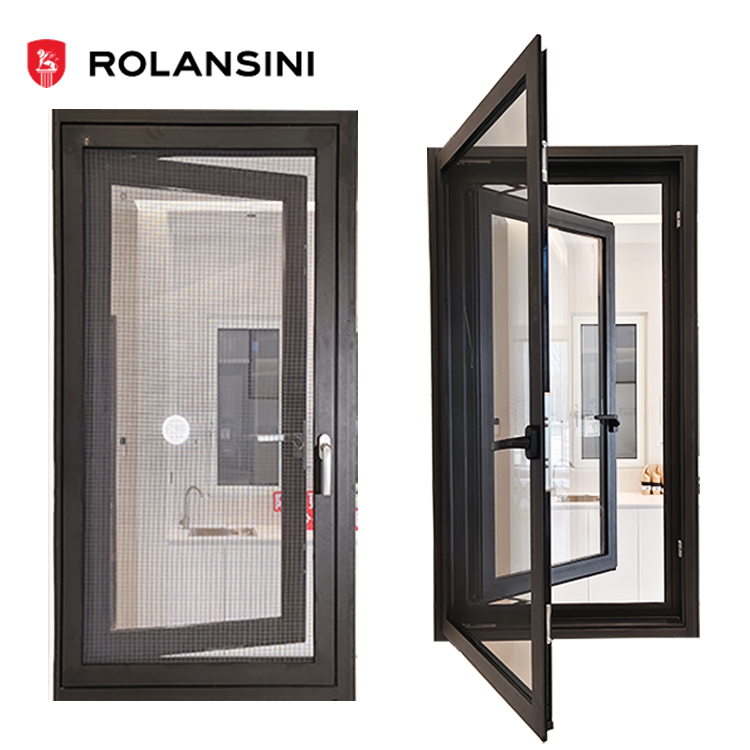
Specify wall thickness: Demand a minimum profile thickness of 1.6mm for standard residential and 2.0mm+ for large coastal exposures to prevent wind deflection.
Upgrade the finish: Standard powder coating will fail; insist on marine-grade powder coating or anodised finishes specifically rated for coastal proximity.
Focus on hardware: Frames rarely fail first; salt-corroded tracks and seized rollers do. Specify nylon hardware or top-hung track systems.
Demand compliance: Do not accept products without verified AS-2047 certification testing for wind pressure and water penetration.
Installation is a critical failure point: Precision made-to-measure installation and proper drainage (weep hole management) are mandatory to prevent water ingress.
Many homeowners fall into the trap of purchasing economy-grade frames. Initial cost savings on these standard windows quickly disappear. They are rapidly offset by secondary damages. You might experience localized leaks during heavy coastal storms. You will also notice soaring HVAC loads due to poor thermal breaks. Standard aluminium often forces premature replacement cycles. In many coastal environments, standard frames fail within five to seven years.
Airborne salinity aggressively attacks untreated metallic joints. It targets standard powder-coated surfaces relentlessly. This salt air corrosion mechanics leads to visible bubbling and pitting. Over time, the material suffers gradual structural weakening. The frame essentially breaks down from the outside in. You must treat salt exposure as a persistent chemical attack on your home exterior.
Thermal dynamics in Australian climates further complicate window selection. From Perth's blistering heat to Melbourne's fluctuating coastal chills, standard aluminium acts as a highly conductive material. Without targeted intervention, it turns windows into massive thermal bridges. These bridges radiate intense heat indoors during summer. Conversely, they leak precious warmth during winter. This energy loss forces heating and cooling systems to work overtime.
Common Mistake: Choosing window frames based solely on aesthetic appeal. A sleek, modern look means nothing if the frame flexes under wind pressure or corrodes after one harsh summer.
You must evaluate profile thickness to ensure structural integrity. Thin frames simply cannot handle coastal wind loads. They bow, rattle, and eventually compromise the glass seals. We recommend using a strict thickness baseline for any coastal project.
| Profile Category | Thickness Range | Coastal Application Assessment |
|---|---|---|
| Economic / Standard | 1.0mm - 1.2mm | Highly susceptible to bowing and rattling under coastal wind loads. Avoid completely. |
| Coastal Baseline | 1.6mm | The absolute minimum acceptable standard for standard residential coastal builds. |
| Heavy-Duty / High-Exposure | 1.8mm - 2.0mm+ | Required for large-span openings, stacker doors, and extreme high-wind zones. |
Surface finishing standards dictate how long your frames will look new. Standard finishes degrade rapidly near the ocean. You must demand marine-grade powder coating. Look for high-micron, UV-stabilized coatings explicitly warranted for salt-spray zones. Alternatively, consider anodised aluminium. Anodising often provides superior longevity against salt pitting. It performs exceptionally well for properties located within 500 meters of the breaking surf.
Thermally broken profiles represent a massive leap in window technology. You should evaluate systems that utilize a polyamide thermal break. This is an insulating barrier placed directly within the aluminium frame. It drastically reduces conductive heat transfer between the exterior and interior. This technology also eliminates interior condensation. "Weeping windows" are incredibly common in humid coastal regions. A thermal break prevents this moisture buildup completely.
Choosing the correct operational style dictates ventilation efficiency and weather resistance. Not all window types perform equally when subjected to horizontal rain and gale-force winds.
The Awning Window is excellent for coastal areas. The top-hinged design allows for continuous ventilation even during light rain. When closed, the structural performance shines. Wind pressure physically pushes the sash tighter against the weather seals. This mechanical action creates superior air and water tightness. Awning styles remain highly reliable under intense coastal storms.
For horizontal movement, the Sliding Window is ideal for space-saving layouts. However, sliding mechanisms are inherently more vulnerable to air infiltration than hinged windows. You must rely on performance testing before purchasing. Conduct the "two-finger test" on display models in the showroom. A high-quality sliding track should move effortlessly. Even under the weight of heavy double-glazing, you should operate it using just two fingers. Resistance indicates poor roller quality or inadequate track design.
To maximize passive coastal breezes, the Glass Louver Window remains unmatched. It provides exceptional cross-ventilation for living spaces. However, you must implement risk mitigation. Louvers have multiple moving parts and exposed weather seals. You must ensure the louver galleries are constructed from non-corrosive materials. Look for UV-stabilized polymers or heavy-duty anodised aluminium. Furthermore, check for tight weather-stripping to prevent loud howling during high coastal winds.
| Window Style | Primary Coastal Benefit | Vulnerability to Watch |
|---|---|---|
| Awning | Wind pushes sash tighter against seals | Hardware strain if left fully open in gales |
| Sliding | Space-saving, wide views | Bottom track salt accumulation |
| Louver | 100% opening capacity for cross-breeze | Moving galleries require strict anti-corrosion |
Frames rarely fail before their moving parts. The bottom-track vulnerability is a major issue for sliding systems. Salt, sand, and organic debris naturally accumulate in the bottom sills. When this debris mixes with moisture, it creates a highly abrasive paste. This paste destroys standard rollers in months.
You must scrutinize roller and track specifications carefully. Reject standard steel rollers completely. They will rust and seize. Instead, specify heavy-duty nylon rollers. Alternatively, use stainless steel tandem rollers to prevent seizing under heavy glass loads. Consider an alternative approach for extreme exposures. You can utilize top-hung sliding systems. Here, the carriage mechanism is protected at the top of the frame. This design keeps critical moving parts safely away from floor-level salt accumulation.
Water management is equally critical. You must assess the manufacturer's drainage slot design. Coastal windows face immense horizontal water pressure. They must have engineered weep holes featuring protective covers. These covers allow rapid water egress outward. Simultaneously, they prevent high winds from driving accumulated water backward into the home.
Best Practice: Inspect display units for visible daylight in the corner seams. High-quality fabricators never rely on basic screws alone. They use mechanical corner cleats paired with structural sealants. This combination ensures absolute water tightness at the vulnerable corner junctions.
Purchasing uncertified products invites legal and structural disaster. AS-2047 Certification is a non-negotiable legal requirement in Australia. You must verify that the exact window size and configuration has passed this testing. The AS-2047 standard strictly evaluates structural deflection, operating force, air infiltration, and water penetration resistance. Never accept generic certificates; demand proof for your specific dimensions.
For coastal homes bordering scrub or national parks, bushfire threats combine with coastal exposure. You must evaluate frame and glazing combinations against BAL Ratings (Bushfire Attack Level). Ensure your selected products meet localized BAL requirements, such as BAL-29 or BAL-40, without compromising salt resistance.
Installation methods dictate long-term success. Coastal homes often experience subtle structural settling. This is particularly true for older renovations. Standard "off-the-shelf" sizing creates significant risks here. Standard windows require excessive timber packing and heavy silicone sealing. This crude method drastically increases the risk of perimeter leaks over time.
You must prioritize fabricators who offer site-specific measurement. Custom manufacturing ensures millimeter-perfect cavity alignment. This precision reduces reliance on excessive caulking.
Follow these compliance verification steps when hiring a team:
Ask for the AS-2047 performance label or test certificate for your specific window dimensions.
Confirm the wind rating (N-rating or C-rating) matches your local coastal topography.
Verify that marine-grade finishes come with a documented warranty specifically covering coastal proximity.
Ensure the installation team utilizes high-quality, UV-resistant perimeter sealants designed for extreme weather.
Finally, demand single-source accountability. Mitigate your financial risk by utilizing teams that handle both manufacturing and installation. Splitting these roles often leads to bitter warranty disputes. If a leak occurs, the builder blames the window supplier, and the supplier blames the installer. A unified team guarantees direct accountability.
Purchasing coastal aluminium windows Australia demands a shift from aesthetic-only decision-making to a strict focus on material resilience. You must prioritize minimum profile thicknesses, advanced thermal breaks, and uncompromising AS-2047 compliance. Ignoring these technical specifications guarantees premature failure in harsh salt-air environments. Focus on marine-grade hardware and proper drainage to protect your investment.
Your next step is to shortlist two or three local manufacturers with proven coastal experience. Request their technical specification sheets directly. You need to verify that they offer 1.6mm+ profile thickness alongside marine-grade nylon hardware. Finally, schedule an on-site structural measure. A professional assessment will determine your exact wind loads and identify the correct exposure requirements for your specific property.
A: With standard profiles, visual degradation can begin in 5 years. High-quality, marine-grade aluminium windows with proper maintenance (regularly washing salt off tracks) have an expected lifespan of 25 to 30 years.
A: Yes. Beyond thermal insulation, double glazing (or acoustic laminated glass) is critical for reducing the high-decibel noise of coastal winds and nearby surf, while also preventing interior condensation.
A: Standard sliding windows usually feature two panels where one slides over a fixed panel. Stacker systems utilize multiple tracks, allowing multiple panels to slide and "stack" behind one another, creating a vastly wider unobstructed opening ideal for coastal views.
A: Rattling is typically a symptom of inadequate profile thickness (economy 1.0mm-1.2mm frames flexing under wind load), deteriorated weather seals, or the lack of compliance with local wind pressure standards during the original installation.


