
Views: 0 Author: Site Editor Publish Time: 2026-06-17 Origin: Site


Replacing windows in high-density Australian apartments requires balancing tight floor plans, stringent strata regulations, and high-performance energy standards. Unlike replacing fixtures in a freestanding house, upgrading your apartment glazing demands zero-lot-line thinking. Every millimeter of space matters immensely in urban living. You must choose the right window profile to reclaim valuable interior space while simultaneously meeting the strict safety guidelines of the Building Code of Australia (BCA). The wrong frame design easily consumes usable living areas or violates complex Body Corporate rules.
This guide provides a clear framework for evaluating space-saving aluminium designs tailored to urban environments. You will discover how to navigate tricky installation constraints and accurately vet commercial-grade suppliers. We will outline practical strategies to ensure your structural upgrade seamlessly integrates into your compact apartment layout.
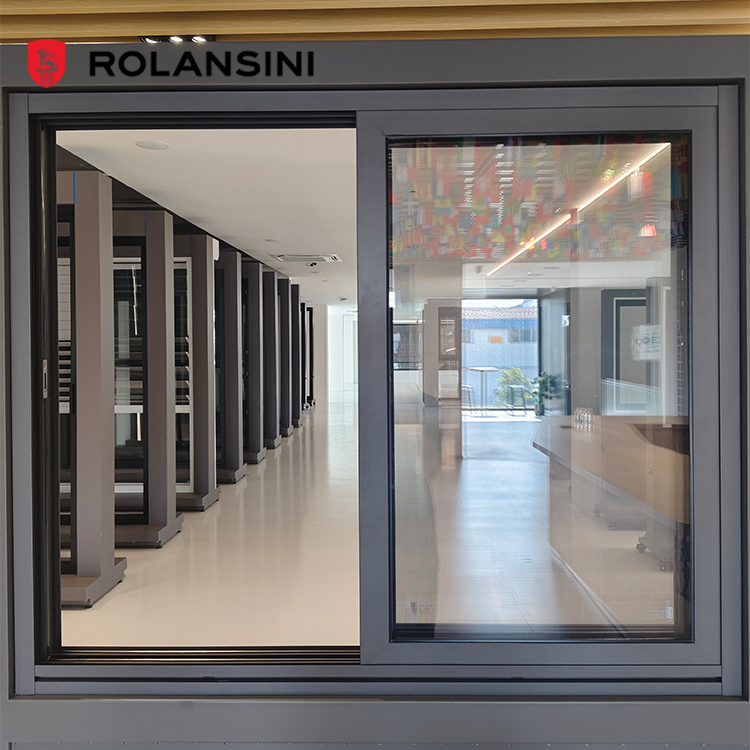
Space Optimization: Window mechanics (sliding vs. swinging) directly impact usable apartment square footage.
Strata Compliance: External aesthetics usually must remain identical to existing facades, limiting specific frame configurations.
Performance Metrics: Energy efficiency relies on low U-Values, appropriate Solar Heat Gain Coefficients (SHGC), and thermal breaks.
Installation Reality: High-rise replacements carry specific logistical costs (cranes, scaffolding, traffic management) that dictate total project ROI.
To successfully upgrade aluminium windows for apartments Australia, you must understand specific structural and legal constraints. Freestanding homes offer flexible renovation options. Apartment complexes operate under entirely different regulatory and physical rules.
Every square meter represents valuable real estate in urban apartments. Standard inward-opening doors and poorly designed casements create distinct dead zones. You cannot place furniture, rugs, or decor in the swing path of traditional hinged frames. This effectively shrinks your usable floor plan. Smart frame designs eliminate this spatial penalty. They reclaim room borders for practical daily use. Zero-lot-line thinking means evaluating exactly how a moving sash will impact your internal walking paths.
Strata schemes divide buildings into private property and common property. You own the internal airspace. The Owners Corporation generally owns the external walls and window exteriors. You cannot simply install a new frame style without formal approval. Your new installation must perfectly match the existing facade. It must align visually to maintain building uniformity.
Best Practices for Strata Preparation:
Request the original architectural plans from your active strata manager.
Photograph all external window faces from the street level to prove aesthetic matching.
Document the exact powder-coat color codes used on the current building exterior.
Standard domestic frames fail quickly at high elevations. High-rise structures endure intense wind pressures and heavy driving rain. You must install commercial-grade aluminium extrusions for any apartment above the ground floor. These robust systems must comply strictly with AS2047 standards. This Australian Standard mandates rigorous physical testing for structural deflection and water penetration. Never compromise on these engineering ratings for upper-level dwellings.
Selecting the right operational mechanism transforms your living space. You must constantly balance daily ventilation needs against physical room limits.
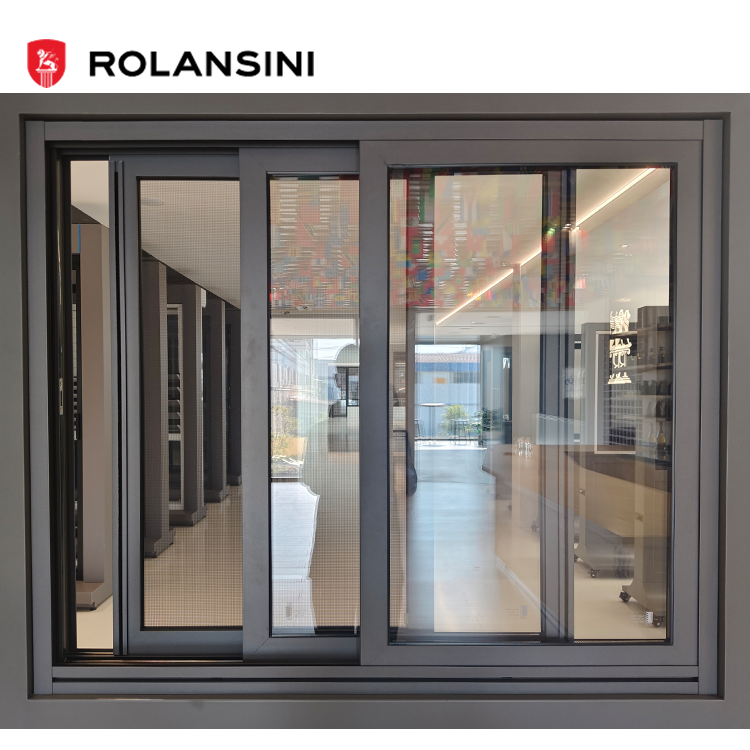
A high-quality Sliding Window operates entirely within its own dedicated track. It moves left or right smoothly. This functional design creates zero inward or outward intrusion. You can confidently place a sofa or desk directly beneath the sill. It remains the ideal choice for enclosed balconies, tight kitchen galleys, and narrow internal walkways.
Evaluation Note: High wind loads often cause cheap sliding mechanisms to rattle violently. Always specify heavy-duty tandem rollers. Ensure the chosen supplier uses commercial-grade tracks and robust weather seals for silent, secure operation.
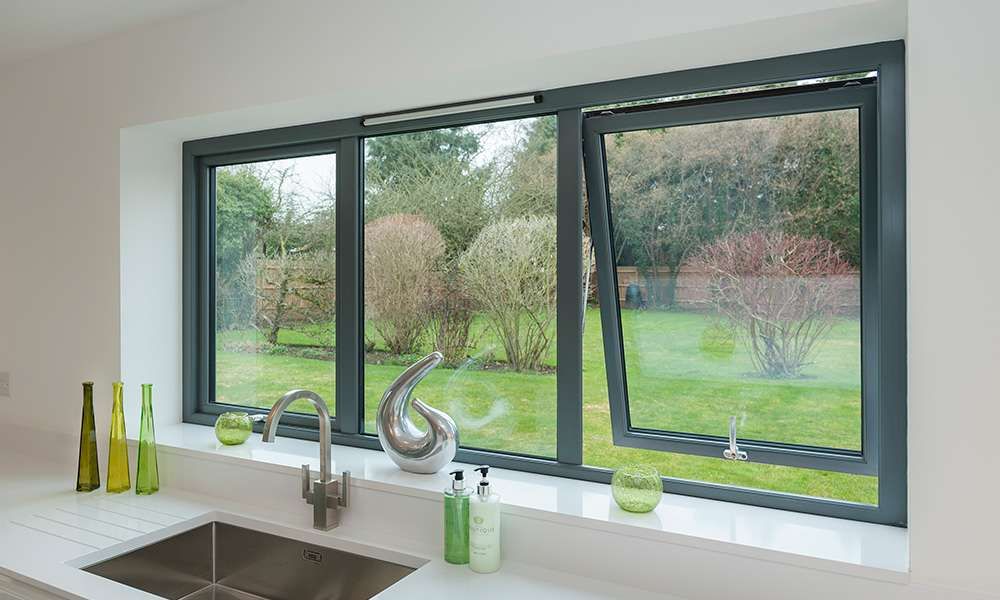
An Awning Window hinges horizontally at the top. It pushes outward from the bottom edge via a chain winder. This mechanism completely preserves your internal wall space. It does not swing into your living room. However, you must verify exterior clearance before installation. Always check your specific strata rules regarding external balcony projections.
Evaluation Note: These frames provide excellent continuous ventilation during light rain. The angled glass actively directs water away from the opening. Note your maximum opening capacity will face strict safety restrictions based on high-rise building codes.
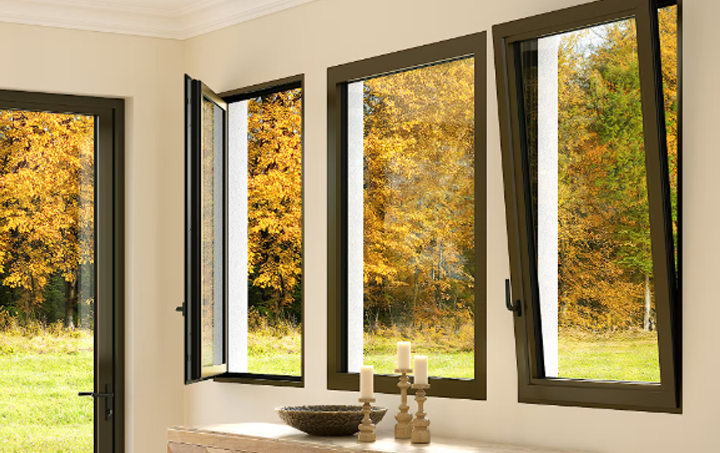
A modern Tilt&Turn Window operates securely on two distinct axes. It tilts backward from the top for secure, draft-free ventilation. It also turns fully inward like a traditional door for easy exterior cleaning from inside the room. The top-tilt function proves highly space-efficient for everyday use.
Evaluation Note: This hybrid European design delivers superior acoustic sealing. It also boasts incredible thermal performance due to continuous multi-point perimeter locking. You must plan your furniture layout carefully to accommodate the full inward turn when eventually washing the exterior glass.
Evaluate your proposed window upgrade based on strict, measurable performance metrics. Better materials drastically and permanently improve indoor comfort.
Standard aluminium profiles conduct heat rapidly. The metal pulls winter cold inside and transfers summer heat indoors. Thermal breaks solve this conductivity problem permanently. Manufacturers insert reinforced polyamide plastic strips between the interior and exterior aluminium sections. This physical barrier completely stops structural thermal transfer. Thermally broken frames drastically reduce your daily reliance on split-system air conditioning. They keep your living space temperate year-round.
Frame material alone cannot stop household energy loss. You must pair the aluminium with advanced glazing options. Low-E (low-emissivity) glass coatings reflect infrared heat while letting natural light pass easily. Double glazing creates an insulating argon gas barrier between two individual glass panes. The Australian government website (energy.gov.au) stresses the importance of understanding specific objective metrics. A lower U-value means better overall insulation. A lower Solar Heat Gain Coefficient (SHGC) blocks more direct solar heat from entering the room.
Traffic and train noise easily penetrate standard 3mm glass. If your apartment faces a busy urban road, you must prioritize acoustic dampening. Superior acoustic attenuation relies heavily on asymmetric double glazing. This involves pairing two glass panes of different thicknesses (for example, one 6mm pane and one 4mm pane). Different glass densities effectively block different sound wave frequencies. Combining this varied glass with robust, tightly sealed aluminium framing significantly reduces decibel transmission.
| Glazing Configuration | U-Value (Thermal Insulation) | Acoustic Performance (Rw Rating) | Best Urban Application |
|---|---|---|---|
| Standard Single Glazing (3mm) | High (Poor) | Low (~25 Rw) | Unenclosed utility balconies |
| Standard Double Glazing (4/12/4) | Medium | Medium (~32 Rw) | General apartment living spaces |
| Asymmetric Double Glazing (6/12/4) | Medium-Low | High (~38+ Rw) | Apartments facing busy roads |
| Low-E Double Glazing (Thermal Break) | Low (Excellent) | High (~38+ Rw) | Premium energy efficiency upgrades |
Upgrading your glazing involves complex administrative and logistical hurdles. Preparation prevents costly project delays.
Body Corporate committees rigorously protect the building exterior aesthetics. You must match the existing mullion and transom sightlines exactly. The external powder-coat color must duplicate the original architectural finish perfectly. Present detailed shop drawings to your strata manager early to guarantee approval. Failure to match existing profiles often results in the committee demanding a full, costly removal.
The National Construction Code (NCC) heavily regulates high-rise windows. You must comply strictly with modern fall prevention rules. Windows on upper floors typically require permanent restricted opening mechanisms. These internal locks prevent the sash from opening more than 125mm. You must also install Grade A safety glass in specific high-risk zones, such as low sills or bathroom enclosures.
High-rise installations require complex, meticulous site management. Contractors cannot easily carry large glass panes up narrow communal stairwells. You must measure the exact elevator interior dimensions before ordering your glass units. You might need official traffic management plans for heavy delivery trucks parking on urban streets. Contractors must also provide robust temporary weatherproofing during the active frame replacement process to protect your internal flooring.
Selecting a highly qualified commercial supplier guarantees long-term project success.
Only engage dedicated suppliers registered actively with the Australian Window Association (AWA). They must provide NATA-accredited test reports upon request. These official documents prove their specific frames pass strict Australian water penetration and wind load tests. Do not accept vague verbal performance guarantees from sales representatives.
Review comprehensive quotes carefully for hidden installation exclusions. Watch out for specific, common red flags. Unreliable suppliers often exclude the administrative cost of providing strata compliance documentation. They might leave scaffolding hire or waste removal out of the final price. Ensure they explicitly include custom powder-coating matching in their written, formalized estimate.
Draft a clear, detailed project brief before contacting commercial suppliers. Follow this process to ensure accurate quoting:
Document the exact building street address and your specific floor level.
Take clear, well-lit interior and exterior photos of the existing window frames.
Measure the rough internal dimensions of the current wall openings.
Define your primary upgrade goals clearly (e.g., thermal insulation versus acoustic noise reduction).
Request a formal copy of your specific strata by-laws regarding facade alterations from your committee.
Selecting the right window system for an apartment involves intense spatial engineering and rigorous compliance management. It remains far more complex than a simple aesthetic choice. You must systematically navigate strata approvals, balance mechanical space requirements, and verify thermal performance metrics. Implementing commercial-grade aluminium frames fundamentally transforms your urban living experience. Smart designs reclaim floor space, reduce ambient city noise, and permanently stabilize indoor temperatures. Take immediate action to improve your apartment environment. Request an on-site measure and quote from a certified supplier today, and download a standard strata approval checklist to jumpstart your renovation process.
A: Yes. Structural and aesthetic changes to external walls invariably require Body Corporate consent. Your apartment windows form part of the building's common property facade. You must submit detailed architectural plans proving the new frames visually match the existing exterior layout exactly.
A: It depends entirely on your wind exposure and ventilation needs. A sliding mechanism proves better for maximizing tight internal floor space. An awning design provides superior rain-proof airflow. Both styles must feature commercial-grade components to safely withstand high-altitude wind pressures.
A: Thermally broken frames significantly improve HVAC efficiency and overall indoor comfort. Quality thermal breaks combined with double glazing can reduce heat transfer by over 50% compared to standard single-glazed aluminium. This substantial reduction effectively lowers peak heating and cooling loads throughout the year.
A: This is rarely practical or compliant in older apartments. Old, thin aluminium extrusions physically cannot support the extra width and heavy weight of double-glazed glass units. Full frame replacement is usually required to ensure adequate structural integrity, proper weather sealing, and AS2047 compliance.


